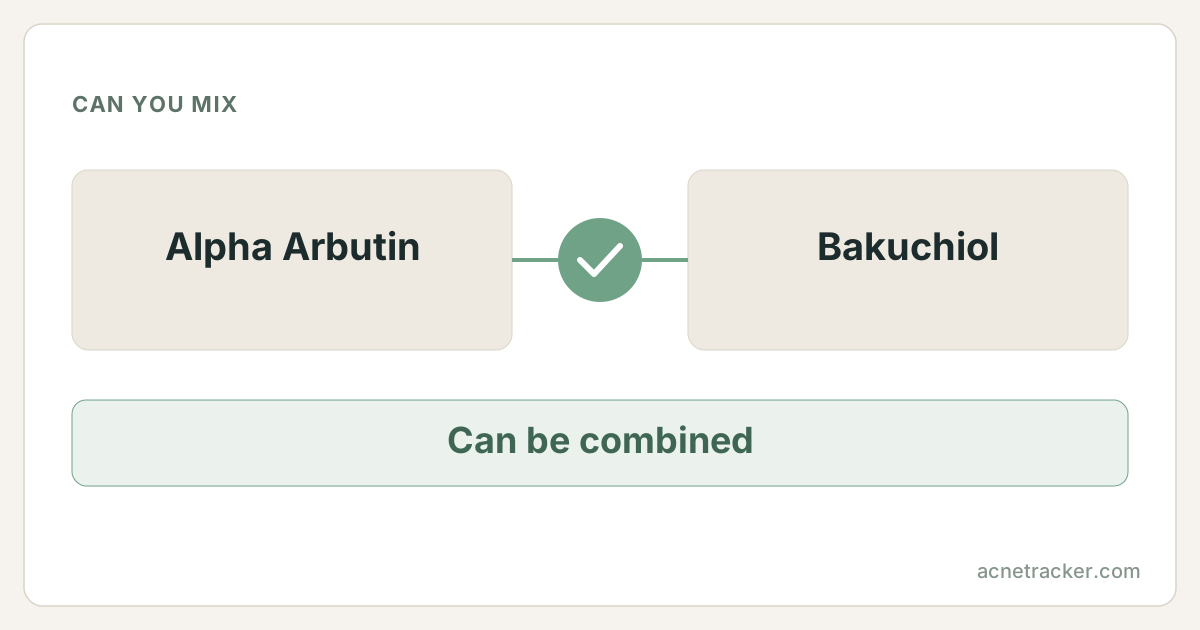
Can You Mix Alpha Arbutin and Bakuchiol?
Yes, and it is an excellent gentle-brightening pair. Alpha arbutin is a stable, well-tolerated tyrosinase inhibitor that fades dark spots and post-acne pigmentation without irritation, while bakuchiol delivers retinol-like renewal and firming. Together they target uneven tone and early ageing on sensitive skin that cannot handle the sting of retinol plus a harsh brightener.
How this pairing resolves
The two ingredients, their published numbers, and where they land together.
The numbers beside each ingredient are its published comedogenic rating and effective pH window, taken from its own profile page.
Show the numbers
| Ingredients | Metric | 0–5 |
|---|---|---|
| Alpha Arbutin | Comedogenic rating | 0/5 |
| Alpha Arbutin | Effective pH | 4.0–6.0 |
| Bakuchiol | Comedogenic rating | 0/5 |
| Bakuchiol | Effective pH | no published pH |
Why
Hyperpigmentation and skin ageing often show up together, but the strongest tools for each — retinoids and potent acids — are also the most irritating, which sidelines sensitive skin. This pair is the gentle alternative. Alpha arbutin is a glucoside of hydroquinone that releases its brightening activity slowly, inhibiting the tyrosinase enzyme that drives melanin production; it is one of the mildest yet reliable spot-faders available. Bakuchiol renews and firms through non-retinoid signalling. Neither is a strong acid, neither is photosensitising, and both are comfortable across a broad pH range, so there is no chemistry to referee. They attack a discoloured, ageing complexion from two angles: bakuchiol resurfaces and stimulates collagen while alpha arbutin switches down new pigment formation. Because both are low-irritation, you can use them together daily without the barrier stress that a retinol-plus-acid regimen would impose, making steady, visible progress the realistic outcome.
How to combine them
Both are typically water-based or light serums, so layer thin to thick. On clean skin apply alpha arbutin first, as it targets the deeper pigment pathway and benefits from direct contact, let it absorb, then apply bakuchiol, and finish with moisturiser. Alpha arbutin is happiest in a morning routine paired with diligent sunscreen, since UV undoes brightening faster than any product can build it — so SPF 30+ is the non-negotiable third member of this trio. Bakuchiol is flexible, so you can run both morning and night, or reserve bakuchiol for the evening and alpha arbutin for the day. No adjustment period is needed, but consistency matters: pigment correction is a multi-week project.
Example routine
| When | Steps |
|---|---|
| Morning | Cleanser → Alpha arbutin → Bakuchiol serum → Moisturiser → SPF 30+ |
| Evening | Cleanser → Bakuchiol serum → Moisturiser |
| Simplest split | Alpha arbutin AM, bakuchiol PM, sunscreen every morning |
| Note | SPF is essential — UV reverses brightening progress |
Warning signs
Frequently asked questions
Is alpha arbutin and bakuchiol good for sensitive skin with dark spots?
Yes, it is one of the best gentle options. Alpha arbutin fades pigment without irritation and bakuchiol renews without the sting of retinol, so sensitive skin gets brightening plus anti-ageing without a compromised barrier.
Which order, alpha arbutin or bakuchiol?
Alpha arbutin first on clean skin, then bakuchiol, then moisturiser. Both are light serums, so the thinner, pigment-targeting arbutin benefits from going on directly.
Can alpha arbutin and bakuchiol replace a retinol brightening routine?
For sensitive skin, largely yes. You lose some of retinol's potency but avoid the irritation, and consistent use of this pair steadily improves tone and texture with far less downtime.
Do I still need sunscreen with alpha arbutin and bakuchiol?
Absolutely. Sunscreen is essential — UV drives the pigment that alpha arbutin is trying to fade, and it degrades the collagen bakuchiol builds. Daily SPF 30+ is what makes the pair work.
Sources & further reading
There is no single study of this exact question. The guidance here is reasoned from the ingredient profiles below, each of which carries its own references:
- Alpha-Arbutin3 refs
- Bakuchiol3 refs
Show every reference behind this page (6)
- European Commission CosIng database — Alpha-Arbutincited by Alpha-Arbutin
- PubChem — Arbutincited by Alpha-Arbutin
- A comprehensive review of the therapeutic potential of α-arbutin (PubMed)cited by Alpha-Arbutin
- PubChem — Bakuchiol compound summarycited by Bakuchiol
- Bakuchiol: a retinol-like functional compound (PubMed)cited by Bakuchiol
- DermNet — Cosmeceuticalscited by Bakuchiol
Medical disclaimer
Ingredients mentioned on this page
Find your personal acne triggers
Our free Acne Tracker lets you log breakouts, sleep, stress and diet, and shows you which factors correlate with your flare-ups.