Can You Mix Glycolic Acid and Retinal?
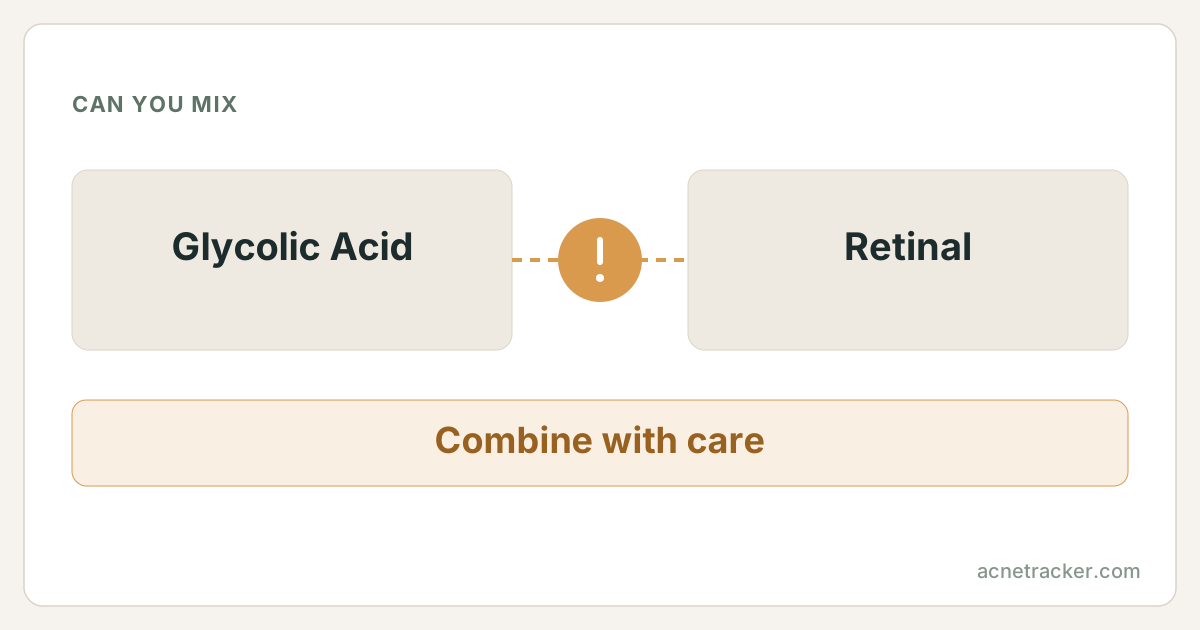
Use caution. Retinal (retinaldehyde) is a potent retinoid and glycolic acid is a strong AHA, so combining them in the same layer often stacks too much dryness, peeling and irritation. They are best kept on separate nights, or split into morning and evening, rather than applied together, and you should let your skin adjust to retinal before adding an acid.
How this pairing resolves
The two ingredients, their published numbers, and where they land together.
The numbers beside each ingredient are its published comedogenic rating and effective pH window, taken from its own profile page.
Show the numbers
| Ingredients | Metric | 0–5 |
|---|---|---|
| Glycolic Acid | Comedogenic rating | 0/5 |
| Glycolic Acid | Effective pH | 3.0–4.0 |
| Retinal | Comedogenic rating | 1/5 |
| Retinal | Effective pH | 5.0–6.0 |
Why
Retinal is retinaldehyde, one step closer to active retinoic acid than retinol, so it converts more efficiently and acts faster and stronger than retinol while remaining non-prescription. It drives cell renewal, boosts collagen and helps clear congestion, but that potency means it can sting, dry and flake, particularly early on. Glycolic acid is an AHA that exfoliates the surface, with its own sting, dryness and raised sun sensitivity. Using both together attacks renewal from two directions and multiplies the irritation, which is the main reason for caution. There is also an old formulation concern that low-pH acids can affect retinoid stability; retinal tolerates this better than pure retinol but the cumulative irritation is the more practical limit. Because retinal already delivers substantial resurfacing, adding a strong acid on top often gives diminishing returns and a higher risk of a damaged barrier. Sensible spacing lets you keep the benefits of both without pushing skin into constant reactivity.
How to combine them
Alternate rather than layer. Establish retinal first, using it two to three nights a week and building up as tolerated over several weeks. Once your skin is comfortable, add glycolic acid on separate, non-retinal nights, for example retinal on some evenings and glycolic on others, never stacked in the same layer. Apply each to dry skin and always follow with a barrier moisturiser. Because both increase UV sensitivity and retinal degrades in light, keep retinal to the evening only and use broad-spectrum SPF 30+ every morning. If you want a single-routine approach later, some tolerant skin can use glycolic on one night and retinal the next, but if in doubt, keep at least one plain recovery night between actives. Retinoids are not recommended in pregnancy.
Example routine
| When | Steps |
|---|---|
| Evening (Mon/Wed/Fri) | Cleanser → Retinal → Moisturiser |
| Evening (Tue/Sat) | Cleanser → Glycolic acid → Moisturiser |
| Evening (Sun) | Cleanser → Moisturiser (recovery) |
| Every morning | Cleanser → Moisturiser → SPF 30+ |
Warning signs
Frequently asked questions
How does retinal differ from retinol in strength?
Retinal (retinaldehyde) is one conversion step closer to active retinoic acid than retinol, so it works faster and stronger while remaining over the counter. That extra potency also means more potential irritation.
Can I layer glycolic acid and retinal together?
It is best not to. Both are potent and drive renewal, so layering them in one routine usually over-irritates. Alternate them on separate nights to get the benefits with less risk.
Which should I introduce first?
Establish retinal first over several weeks until your skin tolerates it well, then add glycolic on separate nights. Introducing both at once commonly leads to peeling and a damaged barrier.
Is retinal safe to use in pregnancy?
No. Retinal and other retinoids are not recommended during pregnancy. If you are pregnant or trying to conceive, pause retinal and ask your doctor about pregnancy-safe alternatives.
Sources & further reading
There is no single study of this exact question. The guidance here is reasoned from the ingredient profiles below, each of which carries its own references:
- Glycolic Acid3 refs
- Retinal3 refs
Show every reference behind this page (5)
- PubChem — Glycolic acid compound summarycited by Glycolic Acid
- DermNet — Alpha hydroxy acidscited by Glycolic Acid
- European Commission CosIng database — Glycolic Acidcited by Glycolic Acid, Retinal
- PubChem — Retinaldehydecited by Retinal
- Kwon HS et al. Efficacy and safety of retinaldehyde 0.1% and 0.05% creams used to treat photoaged skin: A randomized double-blind controlled trial. J Cosmet Dermatol 2018 Jun (PubMed)cited by Retinal
Medical disclaimer
Ingredients mentioned on this page
Find your personal acne triggers
Our free Acne Tracker lets you log breakouts, sleep, stress and diet, and shows you which factors correlate with your flare-ups.