Pustules on the Chest
Pustules on the chest are inflamed, pus-topped spots — the red, tender bumps with a white or yellow centre that people usually picture as pimples. They form when a clogged chest follicle becomes inflamed and fills with the debris of the body's response. The chest is prone to them because its oil glands are active and because sweat, heat and friction from clothing keep follicles irritated. Pustules sit a step up in severity from blackheads and whiteheads, but most respond well to anti-inflammatory acne care and simple changes to how you manage sweat and fabric. Resisting the urge to squeeze is key, since the chest scars and marks easily.
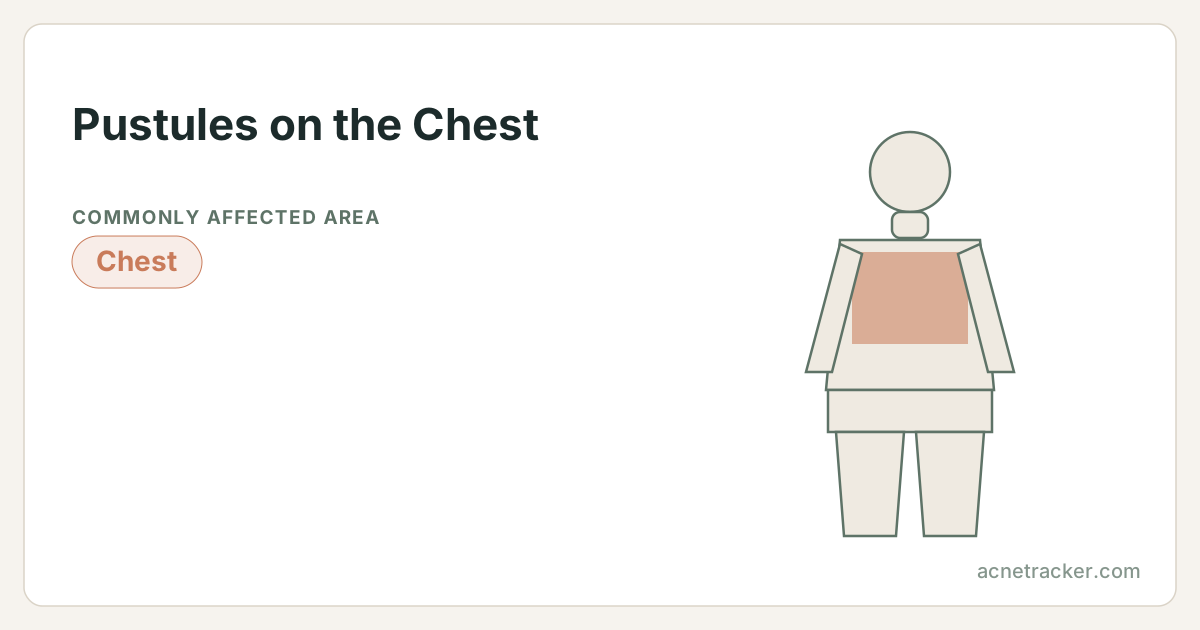
How to recognize it
A chest pustule is a raised red spot with a visible white or yellow head of pus, tender to the touch and surrounded by inflammation. They appear singly or in small clusters across the upper chest and neckline, often where clothing rubs or sweat gathers. Unlike blackheads and whiteheads they are clearly inflamed and sore. Unlike deep cysts they sit closer to the surface and have a defined head. If instead you see many small, uniform, itchy bumps with tiny whiteheads that flare after sweating, that pattern points to fungal folliculitis rather than true pustular acne.
What causes it
Inflamed, clogged follicles
When a chest pore clogs and bacteria and inflammation build up inside it, the follicle fills with pus and forms a pustule. This is the body's inflammatory response to the trapped material, not a sign of dirt.
Sweat and heat
Sweat trapped against covered chest skin softens follicles and lets irritation build, so pustular flares are common after workouts, in hot weather and in anyone who stays warm under layers.
Friction from clothing
Bra bands, collars, seams and straps rub the chest and press material into follicles, inflaming them along contact lines and turning quiet clogs into red, sore spots.
Squeezing and irritation
Picking at chest pustules or scrubbing the area spreads inflammation, delays healing and greatly increases the risk of lasting marks and scars on this scar-prone skin.
Ingredients with evidence
| Ingredient | Role |
|---|---|
| Benzoyl peroxide wash | A 4–5% wash lowers the bacteria driving inflamed pustules on the chest; a mainstay used a few times a week, rinsed well to avoid bleaching fabric. |
| Salicylic acid (BHA) | Clears the clogs that pustules grow from and calms mild inflammation; a leave-on 2% liquid used on other evenings. |
| Azelaic acid | Anti-inflammatory and antibacterial, and helpful for fading the marks pustules leave on the chest. |
| Niacinamide | Reduces redness and supports the barrier around inflamed spots on the chest. |
| Adapalene | A retinoid that prevents the clogs behind future pustules; apply thinly at night for long-term control. |
Building the routine
Calm the inflammation and reduce what feeds it. Use a benzoyl-peroxide wash on the chest two or three times a week to lower bacteria, and a leave-on salicylic-acid liquid on other evenings to keep pores clear. Add azelaic acid or a thin layer of adapalene to settle inflammation and prevent new spots, then a light moisturiser and SPF on the exposed chest to keep marks from darkening. Do not squeeze pustules — it worsens marks and scarring. Just as important, manage sweat and friction: change out of damp clothes quickly, wear breathable fabrics, and loosen tight straps and collars. Give the routine eight to twelve weeks.
When to see a doctor
Frequently asked questions
Should I pop pustules on my chest?
No. Squeezing spreads inflammation, can push material deeper, delays healing and raises the risk of a lasting mark or scar on the chest, which scars easily. Treat pustules with benzoyl peroxide and salicylic acid and let them settle rather than picking at them.
Why do I get red, pus-filled spots on my chest?
Chest follicles clog easily thanks to active oil glands, and when sweat, heat and friction inflame a clog, it fills with pus and becomes a pustule. Managing sweat and friction alongside a benzoyl-peroxide routine usually brings them down.
How long do chest pustules take to clear?
An individual pustule usually settles over several days to a week or two. Preventing new ones takes a consistent routine over eight to twelve weeks. If they keep recurring or turn into deep painful lumps, see a doctor for stronger treatment.
Could my chest pustules be fungal?
It is possible. If the spots are many, small, uniform and itchy with tiny whiteheads and flare after sweating, fungal folliculitis is more likely than true pustular acne, and it needs anti-fungal rather than antibacterial care. A doctor can confirm which you have.
Sources & further reading
What this page cites about the condition itself:
There is no single study of this exact question. The guidance here is reasoned from the ingredient profiles below, each of which carries its own references:
- Benzoyl Peroxide3 refs
- Salicylic Acid2 refs
- Azelaic Acid3 refs
- Niacinamide2 refs
- Adapalene3 refs
Show every reference behind this page (10)
- PubChem — Benzoyl peroxide compound summarycited by Benzoyl Peroxide
- DermNet — Benzoyl peroxidecited by Benzoyl Peroxide
- FDA — Drugs (OTC acne products)cited by Benzoyl Peroxide, Salicylic Acid, Adapalene
- Salicylic acid as a peeling agent: a comprehensive review (PubMed)cited by Salicylic Acid
- PubChem — Azelaic acid compound summarycited by Azelaic Acid
- DermNet — Azelaic acidcited by Azelaic Acid
- European Commission CosIng database — Azelaic Acidcited by Azelaic Acid, Niacinamide
- Niacinamide: mechanisms of action and its topical use in dermatology (PubMed)cited by Niacinamide
- PubChem — Adapalene compound summarycited by Adapalene
- DermNet — Adapalenecited by Adapalene
Medical disclaimer
Ingredients mentioned on this page
Find your personal acne triggers
Our free Acne Tracker lets you log breakouts, sleep, stress and diet, and shows you which factors correlate with your flare-ups.