Mask Acne (Maskne) Around the Mouth
Mask acne — nicknamed maskne — concentrates around the mouth because that is where a face mask presses closest and traps the most warm, humid air. Every breath adds heat and moisture under the fabric, while the mask rubs and seals the skin against oil, sweat and bacteria. This mix of occlusion and friction clogs and inflames follicles exactly along the mouth and chin, whether the cause is a medical mask worn all shift or a fabric one on a commute. Maskne usually responds well to a few practical changes plus gentle acne care, though a persistent perioral rash under a mask deserves the same caution as anywhere around the mouth.
How to recognize it
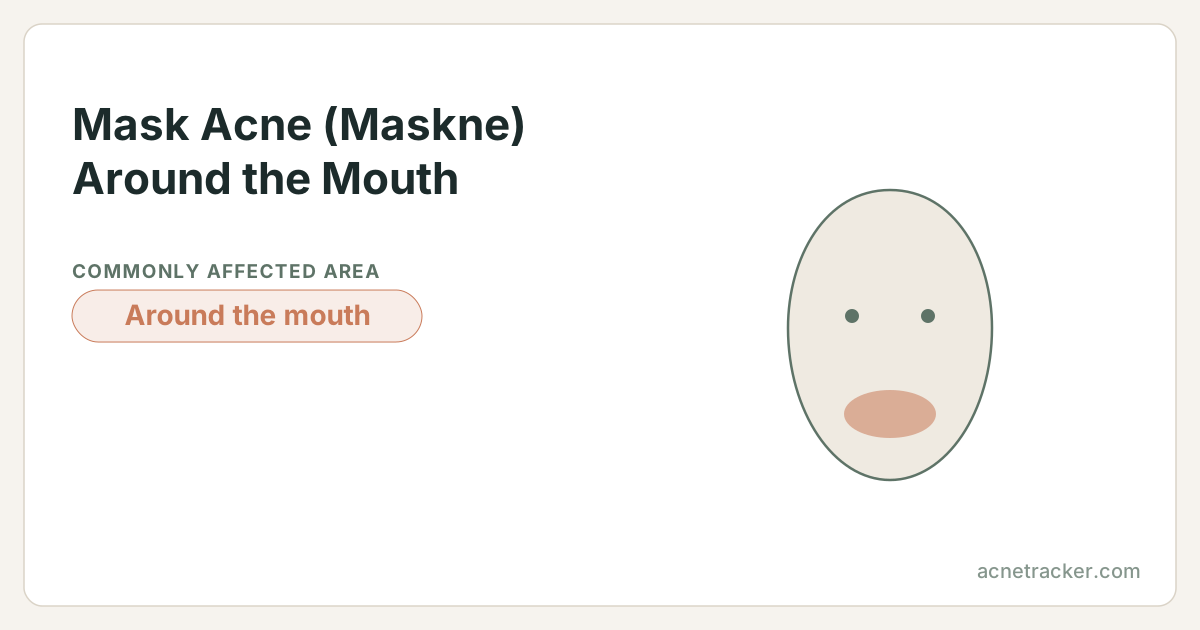
Maskne around the mouth appears as clusters of small pimples, whiteheads and sometimes inflamed papules in the zone the mask covers most tightly — the area around the lips and chin. You may also see general redness, chafing or a rough texture from friction along the mask edges. It tends to worsen the longer the mask is worn and eases on mask-free days. Under the warm, humid seal, uniform itchy bumps can instead point to fungal folliculitis, and a scaly rash that spares the lip rim and worsens with creams points to perioral dermatitis rather than ordinary maskne.
What causes it
Occlusion and trapped humidity
A mask seals warm, moist breath against the skin around the mouth. This humid microclimate softens the surface and lets oil and dead cells clog follicles far more readily than open air.
Friction from the fabric
The mask rubs the skin with every movement and breath, and this mechanical irritation inflames follicles and worsens spots along the areas of closest contact.
Trapped oil, sweat and bacteria
Sweat, sebum and bacteria build up under the mask and are held against the skin, feeding breakouts around the mouth over a long day of wear.
Infrequently changed masks
Reusing a damp or dirty mask reapplies trapped grime and bacteria to the skin, so masks worn too long between washes or changes keep maskne going.
Ingredients with evidence
| Ingredient | Role |
|---|---|
| Salicylic acid (BHA) | Clears the clogs that maskne creates around the mouth; use a few evenings a week rather than daily to avoid drying friction-stressed skin. |
| Niacinamide | Calms redness and chafing from mask friction and supports the barrier so the area copes better with daily wear. |
| Benzoyl peroxide | Lowers acne bacteria in inflamed maskne spots; use short-contact and sparingly near the mouth to limit irritation. |
| Centella asiatica | Soothes irritated, chafed skin along the mask contact zone, a gentle recovery ingredient between wears. |
| Breathable mask + barrier care | A clean, breathable, well-fitting mask changed regularly is half the treatment; a light moisturizer under it reduces friction without heavy occlusion. |
Building the routine
Combine mask habits with gentle treatment. Start each day with clean skin and a light, non-occlusive moisturizer to cut friction, and wear a clean, breathable, well-fitting mask, swapping fabric ones or changing disposables regularly. When you take the mask off, cleanse gently to lift trapped oil and sweat. In the evening, use salicylic acid a few nights a week and niacinamide daily, adding short-contact benzoyl peroxide on inflamed spots, all kept off the lip border. Soothe chafing with centella. Avoid heavy make-up under the mask. If uniform itchy bumps or a scaly rash appear instead, adjust your approach and consider getting it assessed.
When to see a doctor
Frequently asked questions
Why does my mask make me break out around my mouth?
The mask traps warm, humid breath and rubs the skin around the mouth, while oil, sweat and bacteria build up underneath. This occlusion and friction clog and inflame follicles right where the mask presses closest, so spots concentrate around the lips and chin.
How do I prevent maskne around the mouth?
Wear a clean, breathable, well-fitting mask and change or wash it regularly, start with clean skin and a light moisturizer to cut friction, cleanse after wearing, and skip heavy make-up underneath. Gentle salicylic acid a few nights a week helps clear clogs.
Should I stop moisturizing to reduce maskne?
No. A light, non-occlusive moisturizer actually reduces friction between mask and skin and supports the barrier. Skipping it can leave skin more irritated; the key is choosing a lightweight formula rather than a heavy occlusive one under the mask.
Could my under-mask bumps be fungal or perioral dermatitis?
Possibly. Uniform, itchy bumps under the warm, humid seal can be fungal folliculitis, and a scaly rash that spares the lip rim and worsens with creams can be perioral dermatitis. Both differ from ordinary maskne and are worth getting assessed if they do not respond.
Sources & further reading
What this page cites about the condition itself:
There is no single study of this exact question. The guidance here is reasoned from the ingredient profiles below, each of which carries its own references:
- Salicylic Acid2 refs
- Niacinamide2 refs
- Benzoyl Peroxide3 refs
- Centella Asiatica2 refs
Show every reference behind this page (7)
- Salicylic acid as a peeling agent: a comprehensive review (PubMed)cited by Salicylic Acid
- FDA OTC monograph — acne drug products (salicylic acid 0.5–2%)cited by Salicylic Acid, Benzoyl Peroxide
- Niacinamide: mechanisms of action and its topical use in dermatology (PubMed)cited by Niacinamide
- European Commission CosIng database — Niacinamidecited by Niacinamide, Centella Asiatica
- PubChem — Benzoyl peroxide compound summarycited by Benzoyl Peroxide
- DermNet — Benzoyl peroxidecited by Benzoyl Peroxide
- Bylka W et al. Centella asiatica in dermatology: an overview. Phytother Res 2014 Aug (PubMed)cited by Centella Asiatica
Medical disclaimer
Ingredients mentioned on this page
Find your personal acne triggers
Our free Acne Tracker lets you log breakouts, sleep, stress and diet, and shows you which factors correlate with your flare-ups.