Sea Buckthorn Oil: Comedogenic Rating & Ingredient Analysis
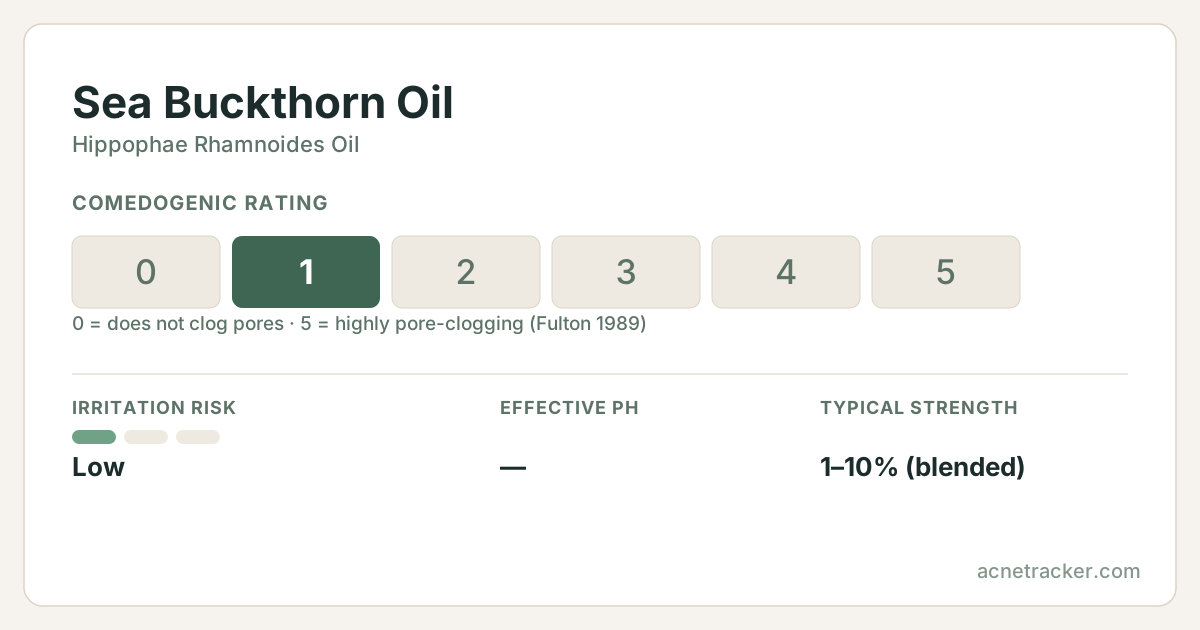
Sea buckthorn oil is a vivid orange-red oil pressed from the berries and seeds of a hardy shrub that grows in cold, exposed places across Europe and Asia. Its intense colour comes from an exceptional load of carotenoids, and it is one of the few plant oils naturally rich in omega-7 (palmitoleic acid). It is prized in serums and repair balms for dull, dry and weather-stressed skin, though its strong pigment means it is almost always used in small amounts blended into other oils rather than applied neat.
Quick facts
- Comedogenic rating
- our estimate — not measured
- Irritation risk
- Low
- Effective pH
- —
- Typical strength
- 1–10% (blended)
- Pregnancy
- Considered safe
- Suits skin types
- drynormalmaturesensitive
Where this number comes from
No one has published a comedogenic rating for this ingredient. Fulton's 1989 table tested about 250 raw materials and this was not among them, and we found no later study measuring it. The figure shown is our own reasoning from the ingredient's chemistry and how it is used — treat it as an estimate, not a measurement.
Fulton read his own scale as 0-1 not significant, 2-3 borderline, 4-5 positive. The assay is the rabbit ear at 10% dilution, which the paper itself calls extremely sensitive and not fully predictive of human skin. Ratings describe the raw ingredient; concentration and formulation change real-world behaviour.
Caution profile
The four published fields on this page, on one 0–5 scale. Further from the centre means more care is needed — never that the ingredient is worse.
Derived, not measured: pore-clogging is the published comedogenic rating; irritation maps low/moderate/high to 1/3/5; pregnancy maps safe/caution/avoid to 0/3/5; skin-type limits is how many of the seven skin types this entry does NOT list. Every input is printed in words in the quick-facts card above.
Show the numbers
| Metric | 0–5 | Published field |
|---|---|---|
| Pore-clogging | 1 | 1/5 |
| Irritation | 1 | Low |
| Skin-type limits | 2.1 | 4/7 |
| Pregnancy | 0 | Considered safe |
Working pH and typical strength
Where this ingredient is formulated to sit, and at what concentration.
Both bars come from the fields above: the pH window and the typical strength range published for this ingredient. The tinted column is healthy skin's surface pH (about 4.7–5.75).
Show the numbers
| Metric | 0–5 |
|---|---|
| Typical strength | 1–10% (blended) |
What is it?
There are two versions on the market: the fruit-pulp oil, which is deep orange and packed with carotenoids and palmitoleic acid, and the paler seed oil, which is higher in omega-3 and omega-6 fatty acids. Most skincare uses a blend or the fruit oil. The carotenoids and tocopherols make it a genuinely antioxidant-rich oil, and the palmitoleic acid is a fatty acid also found in young human skin, which is part of why it is marketed for mature skin. Its overall fatty-acid balance is moderate, and because it is used at low percentages its pore-clogging risk is low; we place it at an estimated comedogenic rating of about 1.
Benefits
Rich in skin-loving antioxidants
Its heavy carotenoid and tocopherol content helps defend the skin surface against everyday oxidative stress from pollution and UV exposure, supporting a brighter, healthier look.
Revives dull, tired skin
The vivid orange pigments lend a subtle warmth and glow, while the nourishing lipids smooth a rough, lacklustre surface within a few weeks of regular use.
Supplies rare omega-7
Palmitoleic acid is uncommon in plant oils and mirrors a fatty acid found in youthful skin, helping keep the barrier soft and comfortable, especially on dry or mature skin.
Soothes weather-stressed skin
Blended into a balm it calms the look of redness and tightness caused by cold wind and dry indoor heating, making it a popular winter oil.
How to use
Because the fruit oil stains skin, fabric and towels, use it diluted: a drop or two mixed into a facial oil, serum or night cream is plenty. Apply at night so any faint tint fades by morning, and press it into cleansed skin as one of the last steps. It layers well over a water-based serum with hyaluronic-acid and under a richer cream. Wash your hands after use to avoid orange fingertips. For daytime, keep the amount very small or reserve it for evening only.
Side effects
The main nuisance is temporary orange staining of skin and light-coloured fabrics, not a health concern. True irritation is uncommon, though as with any botanical oil a small number of people may react, so patch testing is sensible. Poorly stored oil can oxidise and smell off; keep it cool and dark and replace it once it changes scent.
Who should avoid it
Very few people need to avoid it. Those who dislike any risk of temporary tint may prefer the paler seed oil. Anyone with a history of reacting to botanical oils should patch test first. It is generally considered fine for topical use in pregnancy, but as always confirm with your doctor if you are unsure about a specific product.
Pairs well with
Avoid combining with
Frequently asked questions
Will sea buckthorn oil stain my skin orange?
Undiluted fruit oil can leave a faint temporary orange tint, which is why it is used a drop at a time blended into other products and preferably at night. It washes off and fades quickly; it will not dye your skin permanently.
Is sea buckthorn oil good for acne-prone skin?
Used sparingly its comedogenic risk is low (estimated around 1), and its antioxidants are helpful, but it is richer than a lightweight oil. Acne-prone users should keep the amount small and watch how congestion-prone areas respond.
What is the difference between the seed and fruit oil?
The fruit-pulp oil is deep orange, carotenoid-rich and high in omega-7, while the seed oil is paler and higher in omega-3 and omega-6. The fruit oil stains more but carries more of the pigment antioxidants people seek.
How do I store sea buckthorn oil?
Keep it in a cool, dark place with the cap tightly closed, as its unsaturated fats and pigments can oxidise. If it develops a sharp, rancid smell, stop using it and replace it.
Where this ingredient shows up here
Counted across this database, not the web — these are the pages on this site that reason about this ingredient.
Buying guides 1
Sources & further reading
Medical disclaimer
Find your personal acne triggers
Our free Acne Tracker lets you log breakouts, sleep, stress and diet, and shows you which factors correlate with your flare-ups.