Flaxseed Oil: Comedogenic Rating & Ingredient Analysis
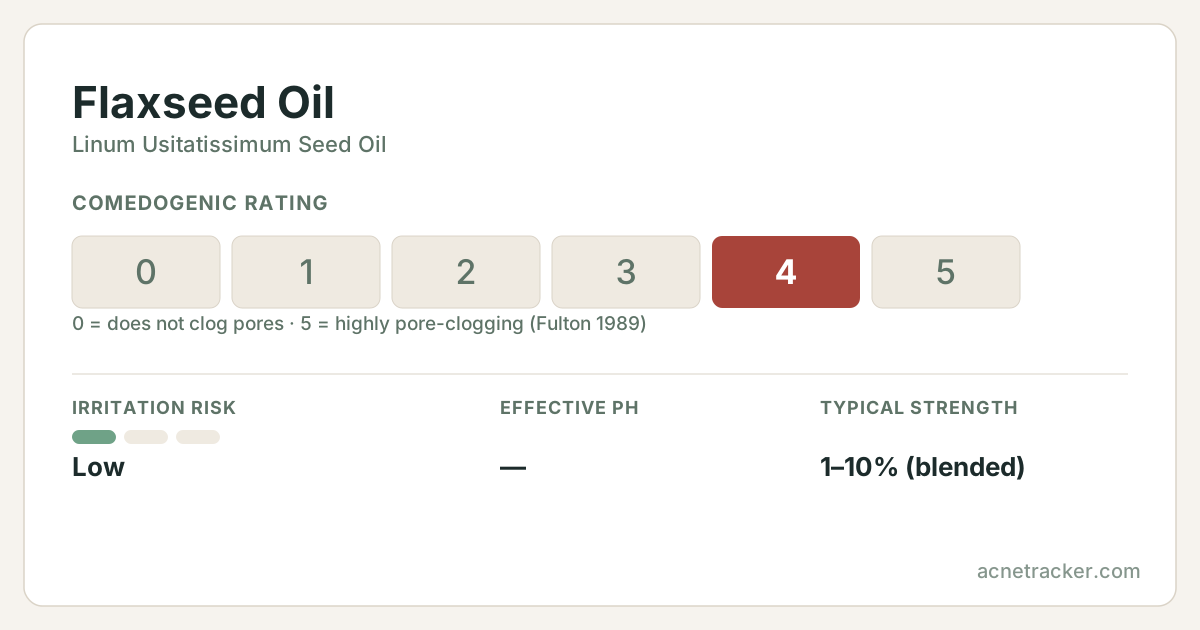
Flaxseed oil, also called linseed oil, is a golden oil pressed from flax seeds and one of the richest plant sources of the omega-3 fatty acid alpha-linolenic acid. In skincare it is used as a lightweight, soothing facial oil for dry and sensitive skin, valued for its essential-fatty-acid content. Its biggest practical drawback is that it oxidises very quickly, faster than almost any other common oil, so freshness and careful storage matter more here than usual. It is best bought in small amounts and used promptly.
Quick facts
- Comedogenic rating
- measured
- Irritation risk
- Low
- Effective pH
- —
- Typical strength
- 1–10% (blended)
- Pregnancy
- Considered safe
- Suits skin types
- drynormalsensitivemature
Where this number comes from
Measured in published research. The study is linked below.
This rating is measured, not inherited from a copied table. A 1984 rabbit ear-canal study tested linseed (flaxseed) oil alongside cocoa butter and found follicular hyperkeratosis after fourteen days. The page previously showed 2, which was lower than both that finding and our own pore-clogging list; the higher figure is the one the evidence supports.
Fulton read his own scale as 0-1 not significant, 2-3 borderline, 4-5 positive. The assay is the rabbit ear at 10% dilution, which the paper itself calls extremely sensitive and not fully predictive of human skin. Ratings describe the raw ingredient; concentration and formulation change real-world behaviour.
Caution profile
The four published fields on this page, on one 0–5 scale. Further from the centre means more care is needed — never that the ingredient is worse.
Derived, not measured: pore-clogging is the published comedogenic rating; irritation maps low/moderate/high to 1/3/5; pregnancy maps safe/caution/avoid to 0/3/5; skin-type limits is how many of the seven skin types this entry does NOT list. Every input is printed in words in the quick-facts card above.
Show the numbers
| Metric | 0–5 | Published field |
|---|---|---|
| Pore-clogging | 4 | 4/5 |
| Irritation | 1 | Low |
| Skin-type limits | 2.1 | 4/7 |
| Pregnancy | 0 | Considered safe |
Working pH and typical strength
Where this ingredient is formulated to sit, and at what concentration.
Both bars come from the fields above: the pH window and the typical strength range published for this ingredient. The tinted column is healthy skin's surface pH (about 4.7–5.75).
Show the numbers
| Metric | 0–5 |
|---|---|
| Typical strength | 1–10% (blended) |
What is it?
Flaxseed oil is dominated by alpha-linolenic acid, an omega-3, with smaller amounts of linoleic and oleic acids. That very high polyunsaturated content gives it a light feel and useful essential fatty acids, but also makes it extremely prone to oxidation and a short shelf life. It carries some antioxidants, but not enough to fully offset that fragility. Its rating is not in Fulton's tables, but linseed oil was tested directly in a 1984 rabbit ear-canal study, which found follicular hyperkeratosis after fourteen days — a positive result, which is why we record 4 rather than estimating from the fatty-acid profile. Oxidised oil is more likely to irritate on top of that.
Benefits
Rich in omega-3 fatty acids
Flaxseed is one of the highest plant sources of alpha-linolenic acid, an omega-3 that helps support a calm, comfortable barrier on dry and reactive skin.
Light, soothing feel
Its high polyunsaturated content gives it a light texture that sinks in without heaviness, offering comfort to dry and sensitive skin.
Supports the barrier
Its essential fatty acids help replenish a dry, stressed barrier, easing the tightness and flaking that come with cold weather and over-cleansing.
Pairs well in fresh blends
Combined with more stable oils and antioxidants, it can add its omega-3 profile to a facial-oil blend, provided the blend is kept fresh.
How to use
Buy flaxseed oil in the smallest available size, keep it refrigerated or at least cool and dark, and use it up quickly, because it oxidises fast. Apply a few drops to cleansed, slightly damp skin at night, either neat on dry areas or blended into a moisturiser or a steadier oil like hemp-seed-oil. Because of its fragility, it is often better as one part of an antioxidant-supported blend than as a stand-alone oil. Discard it at the first sign of a sharp, rancid or fishy smell, and patch test if your skin is reactive.
Side effects
Flaxseed oil is gentle when fresh, but its rapid oxidation is the main concern: rancid oil is more likely to irritate and offers little benefit, so freshness is essential. Store it cold and replace it often. Even fresh, an individual can react to it, so reactive skin should test a small area — and repeat the test if the bottle has been open a while.
Who should avoid it
There are few hard restrictions, but anyone unwilling to store it carefully and replace it frequently may be better served by a more stable oil. Very oily skin should keep the amount modest. Test a fresh bottle on the inner arm first; a rancid one is the more likely culprit if flaxseed ever stings. The practical worry with flaxseed remains freshness rather than pregnancy — putting it on skin while expecting is regarded as fine — and a doctor can look over any specific product you are unsure about.
Pairs well with
Avoid combining with
Frequently asked questions
Why does flaxseed oil go rancid so fast?
It has one of the highest omega-3 (alpha-linolenic acid) contents of any oil, and those fats oxidise very quickly in air, light and warmth. Keep it cold and dark, buy small amounts, and replace it at the first sharp smell.
Is flaxseed oil good for dry skin?
Yes, when fresh. Its omega-3 content and light feel help soothe and replenish dry, sensitive skin. The catch is storage: use a fresh, well-kept oil, as an oxidised bottle loses benefits and can irritate.
Should I refrigerate flaxseed oil?
Refrigeration helps a lot, given how quickly it oxidises. If you cannot refrigerate it, at least keep it cool, dark and tightly closed, and use it up promptly to get the benefit before it turns.
Does flaxseed oil clog pores?
A 1984 rabbit ear-canal study tested linseed oil directly and found follicular hyperkeratosis, so we record it at 4 rather than estimating from its light fatty-acid profile. The bigger practical issue is oxidation, since rancid oil is more likely to irritate than fresh oil is to clog pores.
Sources & further reading
Medical disclaimer
Find your personal acne triggers
Our free Acne Tracker lets you log breakouts, sleep, stress and diet, and shows you which factors correlate with your flare-ups.