Pumpkin Seed Oil: Comedogenic Rating & Ingredient Analysis
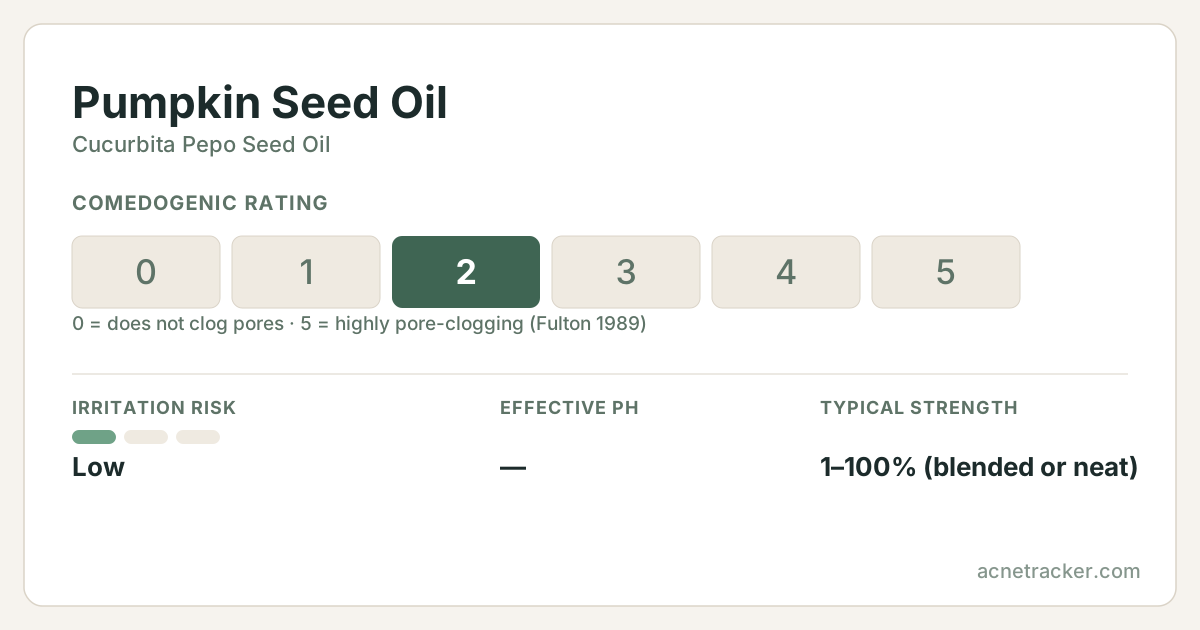
Pumpkin seed oil is a strikingly dark green oil pressed from the seeds of certain pumpkin varieties. It has a rich, nutty character and is packed with skin-friendly nutrients, including a high content of linoleic acid, vitamin E, carotenoids and minerals such as zinc. Its linoleic-rich profile makes it more agreeable to combination and mildly acne-prone skin than heavier oils, while its antioxidants support dry and mature skin too. It is a versatile, nourishing facial oil, though its deep colour means it is often used in modest amounts within a blend.
Quick facts
- Comedogenic rating
- our estimate — not measured
- Irritation risk
- Low
- Effective pH
- —
- Typical strength
- 1–100% (blended or neat)
- Pregnancy
- Considered safe
- Suits skin types
- drynormalcombinationacne-pronemature
Where this number comes from
No one has published a comedogenic rating for this ingredient. Fulton's 1989 table tested about 250 raw materials and this was not among them, and we found no later study measuring it. The figure shown is our own reasoning from the ingredient's chemistry and how it is used — treat it as an estimate, not a measurement.
Fulton read his own scale as 0-1 not significant, 2-3 borderline, 4-5 positive. The assay is the rabbit ear at 10% dilution, which the paper itself calls extremely sensitive and not fully predictive of human skin. Ratings describe the raw ingredient; concentration and formulation change real-world behaviour.
Caution profile
The four published fields on this page, on one 0–5 scale. Further from the centre means more care is needed — never that the ingredient is worse.
Derived, not measured: pore-clogging is the published comedogenic rating; irritation maps low/moderate/high to 1/3/5; pregnancy maps safe/caution/avoid to 0/3/5; skin-type limits is how many of the seven skin types this entry does NOT list. Every input is printed in words in the quick-facts card above.
Show the numbers
| Metric | 0–5 | Published field |
|---|---|---|
| Pore-clogging | 2 | 2/5 |
| Irritation | 1 | Low |
| Skin-type limits | 1.4 | 5/7 |
| Pregnancy | 0 | Considered safe |
Working pH and typical strength
Where this ingredient is formulated to sit, and at what concentration.
Both bars come from the fields above: the pH window and the typical strength range published for this ingredient. The tinted column is healthy skin's surface pH (about 4.7–5.75).
Show the numbers
| Metric | 0–5 |
|---|---|
| Typical strength | 1–100% (blended or neat) |
What is it?
Pumpkin seed oil is high in linoleic acid with a meaningful share of oleic acid, giving it a light-to-medium feel that suits a range of skin types. Its deep green colour comes from chlorophyll and carotenoids, and it carries vitamin E and trace minerals including zinc, which is often associated with congestion-prone skin. Because it is rich in polyunsaturated fats it benefits from careful storage. Its comedogenic rating is not in Fulton's tables; based on the linoleic-leaning profile we estimate it at around 2, low-to-moderate, making it reasonably friendly across skin types.
Benefits
Linoleic-rich and skin-friendly
Its high linoleic content gives it a light feel and an estimated comedogenic rating of 2, making it more agreeable to combination and mildly acne-prone skin than heavier oils.
Antioxidant and mineral content
It carries vitamin E, carotenoids and trace minerals including zinc, giving it a nourishing, antioxidant character that supports the skin surface.
Comforts dry and mature skin
Its emollient lipids ease tightness and roughness, so it works across dry and mature skin as well as more balanced types, offering broad versatility.
Soothes stressed skin
Its fatty-acid and antioxidant mix helps a tight or reddened surface feel more settled, useful alongside drying routines that leave skin uncomfortable.
How to use
Apply a few drops to cleansed, slightly damp skin morning or night, either neat or blended into a moisturiser or another oil like hemp-seed-oil. Its deep colour is harmless but can lend a faint tint if used generously, so many people prefer it at night or in a blend. It suits most skin types; very oily skin should still keep the amount modest. Buy it in a small dark bottle and finish it rather than hoard it — polyunsaturated oils turn sharp long before they look any different. Patch test first if your skin is reactive.
Side effects
Pumpkin seed oil is gentle and low-irritation for most people. Its deep green colour can leave a faint temporary tint if applied heavily, which is cosmetic rather than a health concern. Its polyunsaturated fats oxidise over time, so freshness matters. Sensitivity to the oil itself is uncommon, but reactive skin should try a small area before letting a green oil loose on a whole face.
Who should avoid it
There are few restrictions. Very oily skin should keep the amount modest, though its linoleic-rich profile makes it relatively friendly. Test it on the inner arm first if seed oils have ever left you congested — and on a discreet patch, since you will also see how the green colour behaves. The most pumpkin seed oil is likely to do while you are expecting is leave a faint green cast if you apply it heavily; using it is regarded as fine, and your doctor can look over any specific product you are unsure about.
Pairs well with
Avoid combining with
Frequently asked questions
Is pumpkin seed oil good for acne-prone skin?
It is relatively friendly: its high linoleic content and estimated comedogenic rating of 2 make it lighter than many oils. Apply it thinly and watch how congestion-prone areas respond, as individual tolerance to any oil varies.
Why is pumpkin seed oil so dark green?
The deep green colour comes from natural chlorophyll and carotenoid pigments in the seeds. It is harmless, though a heavy application can leave a faint temporary tint, which is why many people use it at night or in a blend.
Does pumpkin seed oil contain zinc?
It carries trace minerals including some zinc, which is part of its nourishing reputation. The amounts are small, so think of it as a nutrient-rich conditioning oil rather than a targeted zinc treatment for skin.
How should I store pumpkin seed oil?
Keep it cool, dark and tightly closed, as its polyunsaturated fats oxidise over time. Prefer small dark-glass bottles and replace the oil if it develops a sharp or rancid smell.
Sources & further reading
Medical disclaimer
Find your personal acne triggers
Our free Acne Tracker lets you log breakouts, sleep, stress and diet, and shows you which factors correlate with your flare-ups.