Can You Mix Vitamin C and Zinc PCA?
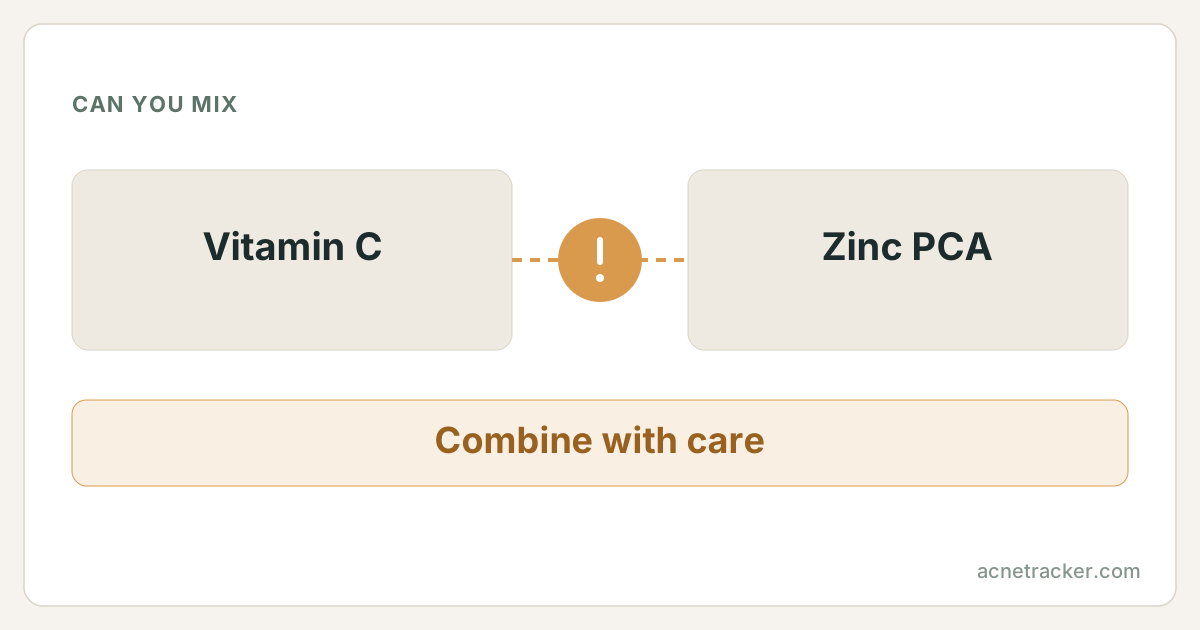
Yes, generally. Zinc PCA is an oil-regulating, soothing ingredient that pairs well with vitamin C for oily and blemish-prone skin. The one nuance is pH: L-ascorbic acid is very acidic, and some formulas may perform slightly differently alongside a zinc salt. In practice, using a well-made serum or applying vitamin C first, then zinc PCA, works smoothly for most people.
How this pairing resolves
The two ingredients, their published numbers, and where they land together.
The numbers beside each ingredient are its published comedogenic rating and effective pH window, taken from its own profile page.
Show the numbers
| Ingredients | Metric | 0–5 |
|---|---|---|
| Vitamin C | Comedogenic rating | 0/5 |
| Vitamin C | Effective pH | 2.5–3.5 |
| Zinc PCA | Comedogenic rating | 0/5 |
| Zinc PCA | Effective pH | no published pH |
Why
Zinc PCA is zinc bound to pyrrolidone carboxylic acid, a skin-native humectant. It helps regulate sebum, has mild antibacterial and anti-inflammatory action, and is often used to calm oily, congested, or blemish-prone skin. Vitamin C brings antioxidant defense, supports collagen, and helps brighten post-blemish marks, so the two share useful goals for acne-prone complexions. The only real consideration is chemistry around pH: L-ascorbic acid must stay in a low-pH, acidic range to remain stable and effective, while zinc salts sit more comfortably nearer neutral. Mixing a strongly acidic vitamin C with a zinc ingredient in the same drop is unlikely to cause a dramatic reaction, but formulators generally keep them balanced within a product rather than expecting you to combine raw actives. Layered as finished products, they coexist well. If you use a gentler, higher-pH vitamin C derivative, the pH question essentially disappears and the pairing becomes completely straightforward.
How to combine them
Apply vitamin C first on clean, dry skin and let it absorb for a minute so it can work at its own pH, then apply the zinc PCA product, then moisturizer, and in the morning SPF 30+. This is a good daytime routine for oily or blemish-prone skin, since vitamin C provides antioxidant defense and zinc PCA helps keep shine and congestion in check. You can also use zinc PCA at night if your vitamin C is a morning step. Prefer finished, well-formulated products over mixing raw powders, and if you notice reduced vitamin C performance, separate them by time or switch to a stable derivative. Sunscreen still matters, especially if you are fading post-blemish marks.
Example routine
| When | Steps |
|---|---|
| Morning | Cleanser → Vitamin C → Zinc PCA → Moisturizer → SPF 30+ |
| Alternative | Vitamin C in AM, zinc PCA product in PM |
| Oily skin | Zinc PCA helps control shine alongside antioxidant defense |
| Sensitive to acids | Use a gentler vitamin C derivative to sidestep pH concerns |
Warning signs
Frequently asked questions
Does zinc PCA deactivate vitamin C?
Not meaningfully in finished products. The main nuance is that L-ascorbic acid needs a low pH while zinc salts prefer nearer neutral, so applying vitamin C first or using a derivative keeps things smooth.
Is this pair good for oily skin?
Yes. Zinc PCA helps regulate sebum and calm blemishes, while vitamin C adds antioxidant protection and fades post-blemish marks, making the combination well suited to oily, congested skin.
Should I layer or separate them?
Layering finished products, vitamin C first then zinc PCA, works for most people. If you suspect a pH mismatch is dulling your vitamin C, separate them by time of day.
Does a vitamin C derivative make this easier?
Yes. A higher-pH derivative like sodium ascorbyl phosphate removes the acidity concern entirely, so it layers with zinc PCA with no chemistry to think about.
Sources & further reading
There is no single study of this exact question. The guidance here is reasoned from the ingredient profiles below, each of which carries its own references:
Show every reference behind this page (5)
- PubChem — Ascorbic Acid compound summarycited by Vitamin C
- DermNet — Topical vitamin Ccited by Vitamin C
- European Commission CosIng database — Ascorbic Acidcited by Vitamin C, Zinc PCA
- PubChem — Zinc PCA (zinc pyrrolidone carboxylate)cited by Zinc PCA
- Zinc l-pyrrolidone carboxylate inhibits the UVA-induced production of matrix metalloproteinase-1 by in vitro cultured skin fibroblasts, whereas it enhances their collagen synthesis (PubMed)cited by Zinc PCA
Medical disclaimer
Ingredients mentioned on this page
Find your personal acne triggers
Our free Acne Tracker lets you log breakouts, sleep, stress and diet, and shows you which factors correlate with your flare-ups.