Can You Mix Benzoyl Peroxide and Vitamin C?
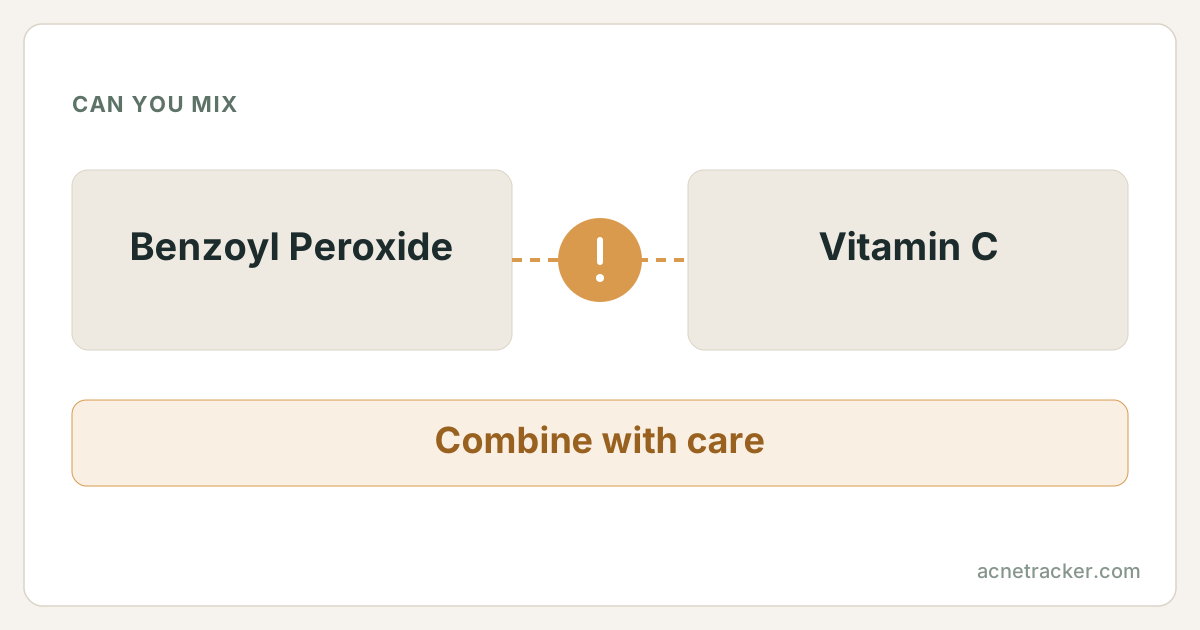
Yes, but not in the same layer. Benzoyl peroxide is an oxidizer, and L-ascorbic acid is an antioxidant, so applied together the peroxide can oxidize the vitamin C and blunt its benefit. The practical fix is to separate them: vitamin C in the morning, benzoyl peroxide at another time or on alternate days. A stable vitamin C derivative resists oxidation better if you must overlap.
How this pairing resolves
The two ingredients, their published numbers, and where they land together.
The numbers beside each ingredient are its published comedogenic rating and effective pH window, taken from its own profile page.
Show the numbers
| Ingredients | Metric | 0–5 |
|---|---|---|
| Benzoyl Peroxide | Comedogenic rating | 0/5 |
| Benzoyl Peroxide | Effective pH | no published pH |
| Vitamin C | Comedogenic rating | 0/5 |
| Vitamin C | Effective pH | 2.5–3.5 |
Why
This is one of the few pairings with a genuine chemical mismatch, not just a tolerance issue. Benzoyl peroxide works by releasing oxygen free radicals that kill acne bacteria — it is an oxidizing agent. L-ascorbic acid works by donating electrons to neutralize free radicals — it is an antioxidant. Put them in contact and the peroxide can oxidize the ascorbic acid before your skin uses it, converting some of it to less active forms and reducing the antioxidant payoff. The interaction is not dangerous, but it wastes the vitamin C. On top of that, both can be drying and irritating, so layering them also stacks the risk of redness and peeling. Separating them by time keeps the vitamin C intact for antioxidant defense and lets benzoyl peroxide clear breakouts without interference. More stable derivatives such as THD ascorbate or sodium ascorbyl phosphate are less easily oxidized, so they tolerate proximity to benzoyl peroxide better than pure L-ascorbic acid.
How to combine them
Keep them apart. A simple structure is vitamin C in the morning and benzoyl peroxide in the evening, or benzoyl peroxide as a short-contact wash so residue is rinsed away. If you use benzoyl peroxide as a leave-on spot treatment, apply it well after your vitamin C has absorbed, or on alternate days. Do not layer them wet-on-wet. Because benzoyl peroxide is an over-the-counter acne active, follow the product label and, for persistent acne, a clinician's guidance rather than improvising strengths. Moisturize to offset the drying effect of both, and never skip morning sunscreen, especially since post-acne marks darken with sun exposure. If you find pure vitamin C too fragile alongside benzoyl peroxide, switch to a stable derivative.
Example routine
| When | Steps |
|---|---|
| Morning | Cleanser → Vitamin C serum → Moisturizer → SPF 30+ |
| Evening | Cleanser → Benzoyl peroxide (spot or short-contact) → Moisturizer |
| Alternative | Benzoyl peroxide wash AM, vitamin C serum after, or alternate days |
| If irritated | Reduce benzoyl peroxide frequency, keep routine simple |
Warning signs
Frequently asked questions
Does benzoyl peroxide really deactivate vitamin C?
It can oxidize L-ascorbic acid on contact, converting some of it to less active forms. This mainly wastes the vitamin C rather than harming skin, and separating them by time avoids it.
Can I use a vitamin C derivative with benzoyl peroxide?
Yes, more comfortably. Stable derivatives like THD ascorbate resist oxidation better than pure L-ascorbic acid, so they tolerate being used closer in time to benzoyl peroxide.
How should I time them for acne?
A common approach is vitamin C in the morning and benzoyl peroxide in the evening, or a benzoyl peroxide wash that rinses off. Follow the product label and see a clinician for stubborn acne.
Will using both together cause more breakouts?
Not directly, but the extra dryness and irritation can stress the barrier, which some people find worsens skin. Keep them separated, moisturize well, and use sunscreen daily.
Sources & further reading
There is no single study of this exact question. The guidance here is reasoned from the ingredient profiles below, each of which carries its own references:
- Benzoyl Peroxide3 refs
- Vitamin C3 refs
Show every reference behind this page (6)
- PubChem — Benzoyl peroxide compound summarycited by Benzoyl Peroxide
- DermNet — Benzoyl peroxidecited by Benzoyl Peroxide
- FDA — Drugs (OTC acne products)cited by Benzoyl Peroxide
- PubChem — Ascorbic Acid compound summarycited by Vitamin C
- DermNet — Topical vitamin Ccited by Vitamin C
- European Commission CosIng database — Ascorbic Acidcited by Vitamin C
Medical disclaimer
Ingredients mentioned on this page
Find your personal acne triggers
Our free Acne Tracker lets you log breakouts, sleep, stress and diet, and shows you which factors correlate with your flare-ups.