Can You Mix Lactic Acid and Vitamin C?
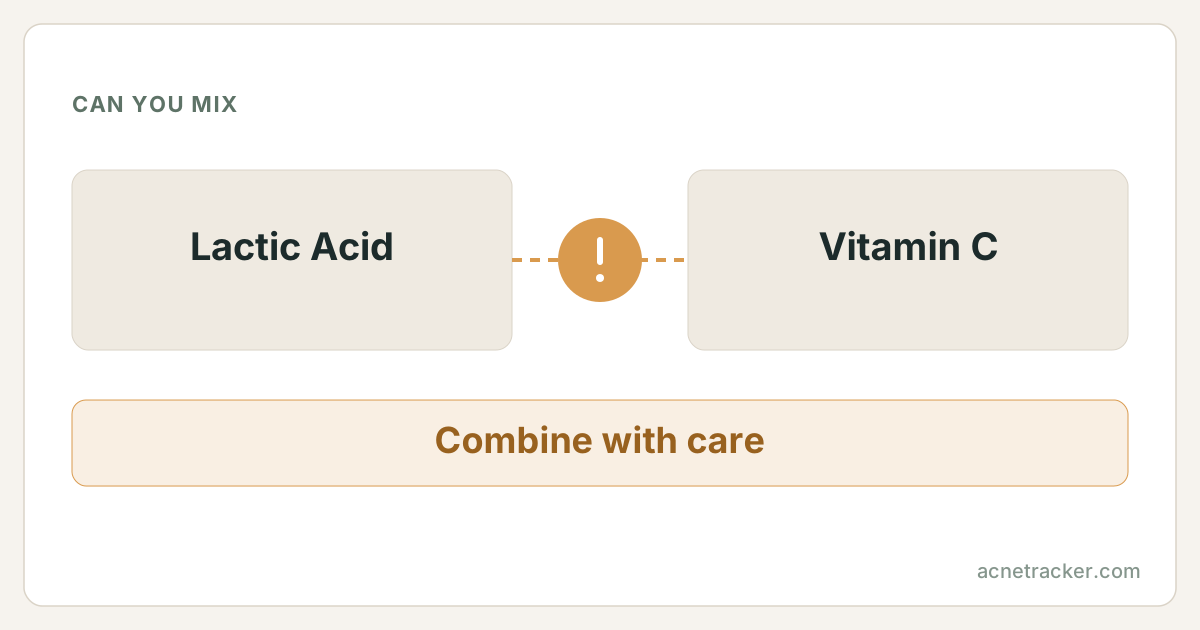
Yes, and lactic acid is one of the more forgiving acids to pair with vitamin C — but still best separated. Both work at a low pH, so combining them in one layer raises the chance of stinging and dryness. Use vitamin C in the morning and lactic acid at night. Because lactic acid is larger and gentler than glycolic, well-adjusted skin sometimes tolerates careful layering.
How this pairing resolves
The two ingredients, their published numbers, and where they land together.
The numbers beside each ingredient are its published comedogenic rating and effective pH window, taken from its own profile page.
Show the numbers
| Ingredients | Metric | 0–5 |
|---|---|---|
| Lactic Acid | Comedogenic rating | 0/5 |
| Lactic Acid | Effective pH | 3.0–4.0 |
| Vitamin C | Comedogenic rating | 0/5 |
| Vitamin C | Effective pH | 2.5–3.5 |
Why
Lactic acid is a larger alpha hydroxy acid than glycolic, so it penetrates more slowly and exfoliates more gently, and it has a mild humectant, hydrating quality that many other acids lack. It works best around pH 3.5–4, while L-ascorbic acid needs pH 2.5–3.5. Because their acidic ranges overlap, layering them does not neutralize either, but it does load the skin with two low-pH actives at once. Lactic acid loosens the bonds between surface cells; ascorbic acid then meets a slightly less protected surface, so stinging is amplified even though lactic acid alone is comparatively kind. The upside is that lactic acid's hydrating nature means the combination tends to be less harsh than vitamin C with glycolic acid. Still, they serve different timings: vitamin C is a daytime antioxidant partner to sunscreen, while lactic acid resurfaces overnight and leaves skin briefly more sun-sensitive. Keeping them apart respects both the chemistry and your barrier.
How to combine them
The simplest plan is vitamin C in the morning, lactic acid at night. Morning: cleanse, vitamin C on dry skin, moisturizer, then SPF 30+ to close. Evening: cleanse, apply lactic acid two or three nights a week, then a moisturizer to lock in its hydrating benefit. Because lactic acid is gentler, adjusted skin can sometimes layer a mild vitamin C derivative over it on the same night — apply lactic acid, wait 15–20 minutes, then the derivative. Avoid stacking pure L-ascorbic acid directly on freshly exfoliated skin. Introduce one active at a time and give your barrier several weeks before adding the second, especially if you are new to acids.
Example routine
| When | Steps |
|---|---|
| Morning | Cleanser → Vitamin C serum → Moisturizer → SPF 30+ |
| Evening (2–3x/week) | Cleanser → Lactic acid → Moisturizer |
| Evening (other days) | Cleanser → Hydrating serum → Moisturizer |
| Advanced | Lactic acid, wait 15–20 min, then a gentle vitamin C derivative |
Warning signs
Frequently asked questions
Is lactic acid gentler than glycolic with vitamin C?
Generally yes. Lactic acid is a larger molecule and mildly hydrating, so it exfoliates less aggressively and the pairing tends to sting less than vitamin C with glycolic acid.
Can I layer them on the same night?
Only if your skin is well adjusted. Apply lactic acid, wait 15–20 minutes, then a gentle vitamin C derivative. Most people still do better splitting them morning and night.
Does lactic acid help with the dryness vitamin C can cause?
Lactic acid has a humectant quality that draws in water, so on its own night it can help hydration. That does not mean you should stack it with vitamin C to offset dryness.
How often should I use lactic acid alongside vitamin C?
Start lactic acid two to three nights a week while using vitamin C every morning. Increase only if your skin stays comfortable with no lingering tightness or redness.
Sources & further reading
There is no single study of this exact question. The guidance here is reasoned from the ingredient profiles below, each of which carries its own references:
- Lactic Acid3 refs
- Vitamin C3 refs
Show every reference behind this page (5)
- PubChem — Lactic acid compound summarycited by Lactic Acid
- DermNet — Alpha hydroxy acidscited by Lactic Acid
- European Commission CosIng database — Lactic Acidcited by Lactic Acid, Vitamin C
- PubChem — Ascorbic Acid compound summarycited by Vitamin C
- DermNet — Topical vitamin Ccited by Vitamin C
Medical disclaimer
Ingredients mentioned on this page
Find your personal acne triggers
Our free Acne Tracker lets you log breakouts, sleep, stress and diet, and shows you which factors correlate with your flare-ups.