Can You Mix Mandelic Acid and Vitamin C?
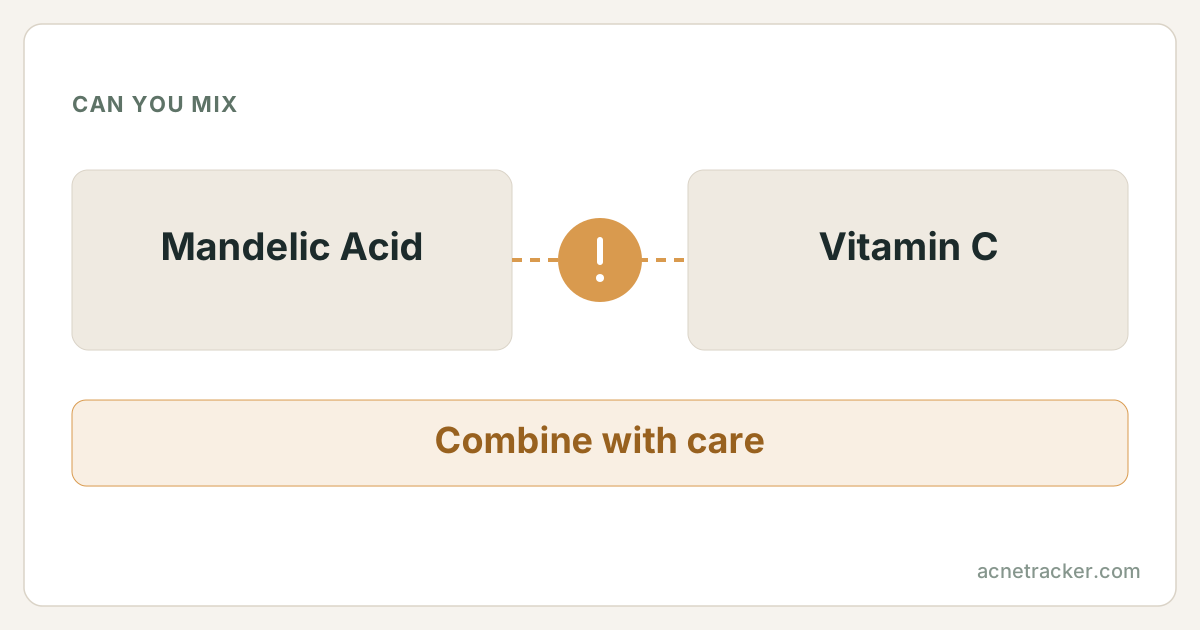
Yes, and mandelic acid is among the gentlest acids to combine with vitamin C — but separating them is still smartest. Both are acidic, so same-layer use can sting. Mandelic acid's large molecule penetrates slowly, so it is kinder than glycolic or lactic. Use vitamin C in the morning and mandelic acid at night, and adjusted skin can sometimes layer carefully.
How this pairing resolves
The two ingredients, their published numbers, and where they land together.
The numbers beside each ingredient are its published comedogenic rating and effective pH window, taken from its own profile page.
Show the numbers
| Ingredients | Metric | 0–5 |
|---|---|---|
| Mandelic Acid | Comedogenic rating | 0/5 |
| Mandelic Acid | Effective pH | 3.0–4.0 |
| Vitamin C | Comedogenic rating | 0/5 |
| Vitamin C | Effective pH | 2.5–3.5 |
Why
Mandelic acid is the largest common alpha hydroxy acid, so it diffuses into the skin slowly and evenly, which makes it notably gentle and well suited to sensitive or acne-prone skin. It works around pH 3.5–4.5, while L-ascorbic acid needs pH 2.5–3.5. Their acidic windows overlap, so they do not chemically cancel, but stacking still stacks the total acid burden. What sets mandelic acid apart is that slow diffusion: it exfoliates without the sharp jolt of glycolic acid, so the combined sting with vitamin C is usually milder than with faster AHAs. Mandelic acid also has some antibacterial and oil-regulating action that suits breakout-prone skin, while vitamin C brings antioxidant defense and helps fade the dark marks acne leaves behind. Because the two address related concerns from different angles, keeping them at different times of day lets each work without overwhelming the barrier. Vitamin C suits daytime under sunscreen; mandelic acid resurfaces overnight.
How to combine them
Default to vitamin C in the morning and mandelic acid at night. Morning: cleanse, apply vitamin C to dry skin, moisturize, finish with SPF 30+. Evening: cleanse, apply mandelic acid a few nights a week, then moisturizer. Because mandelic acid is so gentle, well-adjusted skin can sometimes tolerate a mild vitamin C derivative layered on the same night — mandelic first, wait 15–20 minutes, then the derivative. Still avoid stacking strong L-ascorbic acid directly on freshly exfoliated skin. Mandelic acid is a good entry acid for reactive skin, so build slowly and keep vitamin C as your steady morning step while you assess tolerance.
Example routine
| When | Steps |
|---|---|
| Morning | Cleanser → Vitamin C serum → Moisturizer → SPF 30+ |
| Evening (2–3x/week) | Cleanser → Mandelic acid → Moisturizer |
| Evening (other days) | Cleanser → Moisturizer |
| Sensitive skin | Start mandelic acid once weekly and increase slowly |
Warning signs
Frequently asked questions
Why is mandelic acid gentler than other acids?
Its molecule is the largest common AHA, so it penetrates slowly and evenly rather than in a sharp burst. That makes it less irritating and a good match for sensitive or acne-prone skin.
Can mandelic acid and vitamin C both help dark marks?
Yes. Mandelic acid speeds turnover to fade pigment, and vitamin C reduces melanin formation and adds antioxidant support, so used at different times they complement each other on post-acne marks.
Is same-night layering safe with mandelic acid?
For adjusted skin it can be. Apply mandelic acid, wait 15–20 minutes, then a gentle vitamin C derivative. If you use strong L-ascorbic acid, keep it in the morning instead.
Which is better for beginners with reactive skin?
Mandelic acid is one of the easiest acids to start with. Pair it with a low-strength or derivative vitamin C in the morning, and increase frequency only as your skin stays calm.
Sources & further reading
There is no single study of this exact question. The guidance here is reasoned from the ingredient profiles below, each of which carries its own references:
- Mandelic Acid2 refs
- Vitamin C3 refs
Show every reference behind this page (5)
- Mandelic acid — PubChem compound summarycited by Mandelic Acid
- DermNet — Alpha hydroxy acidscited by Mandelic Acid
- PubChem — Ascorbic Acid compound summarycited by Vitamin C
- DermNet — Topical vitamin Ccited by Vitamin C
- European Commission CosIng database — Ascorbic Acidcited by Vitamin C
Medical disclaimer
Ingredients mentioned on this page
Find your personal acne triggers
Our free Acne Tracker lets you log breakouts, sleep, stress and diet, and shows you which factors correlate with your flare-ups.