Can You Mix Adapalene and Lactic Acid?
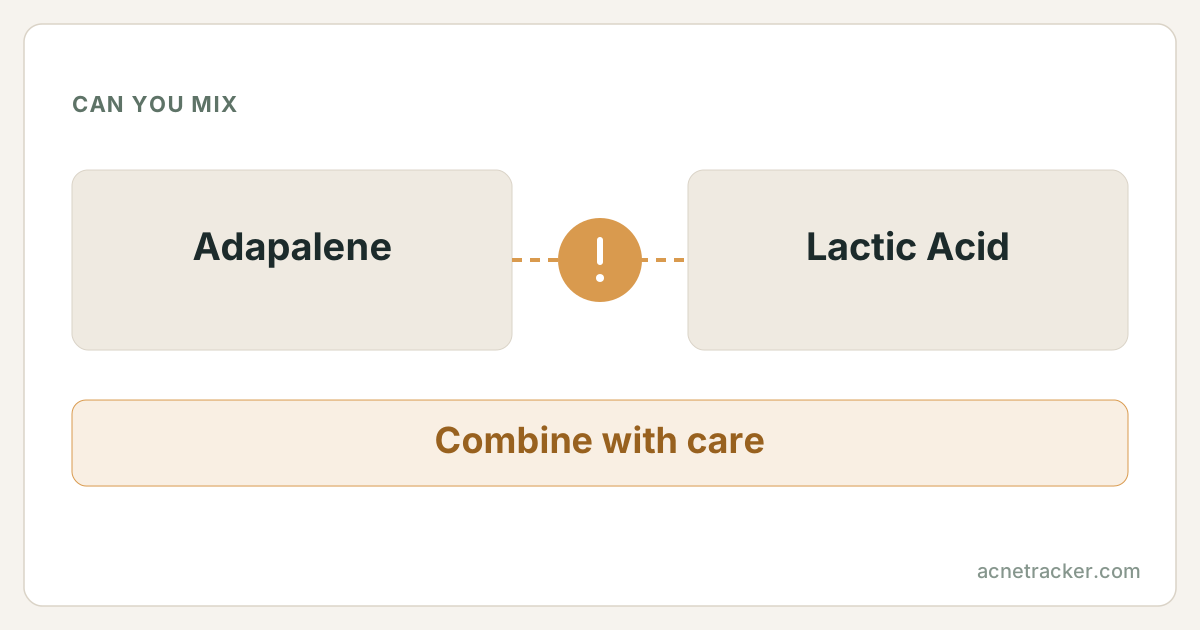
Use adapalene and lactic acid together with care. There is no chemical clash between them: adapalene is a stable synthetic retinoid, and a brief lactic-acid layer will not deactivate it. The genuine risk is stacking two exfoliating pathways at once — retinoid-driven cell turnover plus surface acid loosening. For most skin the safe route is alternating nights rather than same-night layering.
How this pairing resolves
The two ingredients, their published numbers, and where they land together.
The numbers beside each ingredient are its published comedogenic rating and effective pH window, taken from its own profile page.
Show the numbers
| Ingredients | Metric | 0–5 |
|---|---|---|
| Adapalene | Comedogenic rating | 1/5 |
| Adapalene | Effective pH | 5.0–6.5 |
| Lactic Acid | Comedogenic rating | 0/5 |
| Lactic Acid | Effective pH | 3.0–4.0 |
Why
Let's separate the myth from the mechanism. Adapalene binds retinoic-acid receptors to normalise how skin cells mature and shed, and unlike tretinoin it is notably photostable and pH-tolerant, so the low pH of a lactic-acid product does not chemically destroy it — this pair does not neutralise each other. Lactic acid is an alpha-hydroxy acid that weakens the desmosome bonds holding dead cells in the stratum corneum, prompting them to slough. The problem is that both routes thin the protective surface layer, just by different means. Run them on the same skin the same night and turnover outpaces barrier repair, producing the classic retinoid-plus-acid picture: tight, shiny, flaking skin that stings when anything is applied. Adapalene is already the more aggressive of the two on turnover, so lactic acid is best treated as an occasional support, not a nightly co-star. Skin that has used adapalene for several months without irritation tolerates the pairing far better than skin still in its retinisation phase.
How to combine them
Keep them on separate nights while your skin adjusts. Use adapalene on its dedicated nights — a pea-sized amount on dry skin after cleansing, then moisturiser. On a different night, use lactic acid, wait for it to absorb, then moisturise. A practical week is adapalene three nights, lactic acid one to two nights, and plain recovery nights between. If you insist on same-night use once fully adjusted, apply adapalene first, wait until skin is dry and calm, then a low-percentage lactic acid — but drop back to alternating at the first sign of stinging. Daily broad-spectrum SPF is essential: both ingredients raise sun sensitivity, and adapalene's benefits vanish if you burn. Never start both in the same month; establish adapalene first, then add lactic acid weeks later.
Example routine
| When | Steps |
|---|---|
| Night 1 / 3 / 5 | Cleanser → Adapalene (pea-size) → Moisturizer |
| Night 2 | Cleanser → Lactic acid → Moisturizer |
| Other nights | Cleanser → Moisturizer (barrier recovery) |
| Every morning | Gentle cleanse → Moisturizer → SPF 30+ |
Warning signs
Frequently asked questions
Does lactic acid deactivate adapalene at low pH?
No. Adapalene is a photostable, pH-tolerant synthetic retinoid, so a brief lactic-acid layer does not chemically break it down. The real concern with adapalene and lactic acid is combined over-exfoliation, not a chemical clash.
Can I layer adapalene and lactic acid in the same routine?
Only once your skin is fully adjusted to adapalene. Apply adapalene first on dry skin, wait until it settles, then a low-strength lactic acid. Most people do better alternating adapalene and lactic acid on separate nights.
How many nights a week should I use each?
A common starting split is adapalene three nights and lactic acid one to two nights, with recovery nights in between. Adapalene is the stronger driver of turnover, so keep lactic acid as an occasional support rather than nightly.
Do I still need sunscreen if I only use these at night?
Yes, every morning. Both adapalene and lactic acid increase photosensitivity, and adapalene's acne benefits are undone by sunburn and UV-triggered pigment. Broad-spectrum SPF 30+ daily is non-negotiable with this pair.
Sources & further reading
There is no single study of this exact question. The guidance here is reasoned from the ingredient profiles below, each of which carries its own references:
- Adapalene3 refs
- Lactic Acid3 refs
Show every reference behind this page (6)
- PubChem — Adapalene compound summarycited by Adapalene
- DermNet — Adapalenecited by Adapalene
- FDA — Drugs (over-the-counter acne products)cited by Adapalene
- PubChem — Lactic acid compound summarycited by Lactic Acid
- DermNet — Alpha hydroxy acidscited by Lactic Acid
- European Commission CosIng database — Lactic Acidcited by Lactic Acid
Medical disclaimer
Ingredients mentioned on this page
Find your personal acne triggers
Our free Acne Tracker lets you log breakouts, sleep, stress and diet, and shows you which factors correlate with your flare-ups.