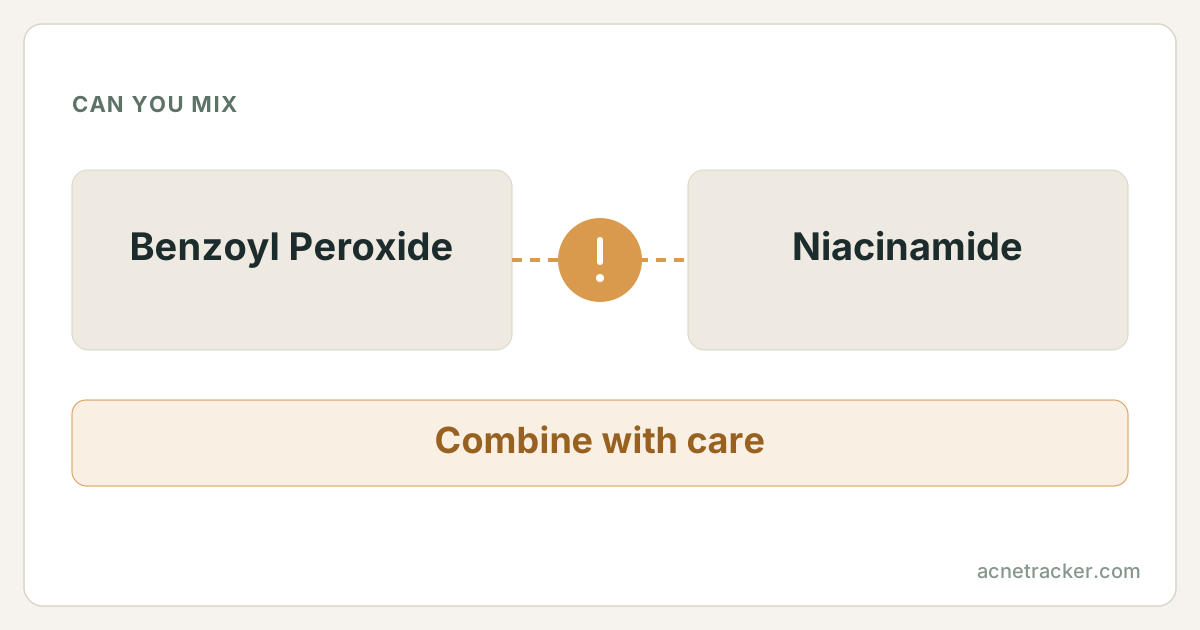
Can You Mix Benzoyl Peroxide and Niacinamide?
Yes, with sensible timing. Benzoyl peroxide is a strong anti-acne oxidiser and niacinamide is a calming barrier-support serum, so pairing them is logical — niacinamide offsets the dryness and irritation benzoyl peroxide causes. The main caution is stacked irritation, not a chemical clash, so many people separate them across morning and night or apply niacinamide after the benzoyl peroxide has absorbed.
How this pairing resolves
The two ingredients, their published numbers, and where they land together.
The numbers beside each ingredient are its published comedogenic rating and effective pH window, taken from its own profile page.
Show the numbers
| Ingredients | Metric | 0–5 |
|---|---|---|
| Benzoyl Peroxide | Comedogenic rating | 0/5 |
| Benzoyl Peroxide | Effective pH | no published pH |
| Niacinamide | Comedogenic rating | 0/5 |
| Niacinamide | Effective pH | 5.0–7.0 |
Why
Benzoyl peroxide works by releasing oxygen radicals into the pore, which kill acne-causing bacteria and help clear the follicle. That oxidising power is also drying and can leave skin flaky, tight and irritated, which is where niacinamide earns its place — it rebuilds ceramides, calms inflammation and reduces the barrier damage that makes benzoyl peroxide hard to keep using. A long-standing internet worry is that benzoyl peroxide oxidises niacinamide and renders it useless. In practice this concern is overstated: niacinamide is a fairly robust molecule, and while an oxidiser could in theory affect it, real formulas and sequential application on skin do not show meaningful loss of benefit for most users. The genuine reason for caution is additive irritation. Benzoyl peroxide already stresses the skin, so the goal is to let niacinamide soothe rather than to pile two strong steps together carelessly. Note that benzoyl peroxide can bleach fabrics, so old towels and pillowcases are wise.
How to combine them
The cleanest routine is to split them: benzoyl peroxide in the morning or as a short-contact wash, and niacinamide in the evening to repair. If you want both in one routine, apply benzoyl peroxide to clean, dry skin, let it absorb for several minutes, then layer niacinamide and moisturizer to counter the dryness. Start benzoyl peroxide at a low strength and once daily, since higher percentages are not necessarily more effective, only more irritating, and keep niacinamide daily throughout because it needs no adjustment. As an over-the-counter acne option, benzoyl peroxide suits inflammatory spots; a dermatologist can advise on strength if you are unsure. Always finish the morning with broad-spectrum SPF 30 or higher.
Example routine
| When | Steps |
|---|---|
| Morning | Cleanser → Benzoyl peroxide → Moisturizer → SPF 30+ |
| Evening | Cleanser → Niacinamide → Moisturizer |
| One-routine option | Benzoyl peroxide → wait few min → Niacinamide → Moisturizer |
Warning signs
Frequently asked questions
Does benzoyl peroxide deactivate niacinamide?
This worry is overstated. Niacinamide is reasonably stable, and sequential use on skin does not show meaningful loss of benefit for most people. Splitting them across morning and night removes any doubt.
Should I use benzoyl peroxide and niacinamide together or separately?
Separating is simplest: benzoyl peroxide in the morning, niacinamide at night to repair. If you use both together, let benzoyl peroxide absorb first, then apply niacinamide and moisturizer.
Does niacinamide help with benzoyl peroxide dryness?
Yes — that is precisely why the two are put together. Niacinamide rebuilds ceramides and calms inflammation, offsetting the flaking and tightness benzoyl peroxide tends to cause.
What strength of benzoyl peroxide should I use with niacinamide?
Lower strengths are often as effective and much less irritating. As an over-the-counter option, start low and once daily; ask a dermatologist if your acne is persistent or severe.
Can benzoyl peroxide bleach my towels?
Yes. Benzoyl peroxide can bleach coloured fabrics, so use white or old towels and pillowcases while it is in your routine to avoid stains.
Sources & further reading
There is no single study of this exact question. The guidance here is reasoned from the ingredient profiles below, each of which carries its own references:
- Benzoyl Peroxide3 refs
- Niacinamide2 refs
Show every reference behind this page (5)
- PubChem — Benzoyl peroxide compound summarycited by Benzoyl Peroxide
- DermNet — Benzoyl peroxidecited by Benzoyl Peroxide
- FDA — Drugs (OTC acne products)cited by Benzoyl Peroxide
- Niacinamide: mechanisms of action and its topical use in dermatology (PubMed)cited by Niacinamide
- European Commission CosIng database — Niacinamidecited by Niacinamide
Medical disclaimer
Ingredients mentioned on this page
Find your personal acne triggers
Our free Acne Tracker lets you log breakouts, sleep, stress and diet, and shows you which factors correlate with your flare-ups.