Can You Mix Niacinamide and Tranexamic Acid?
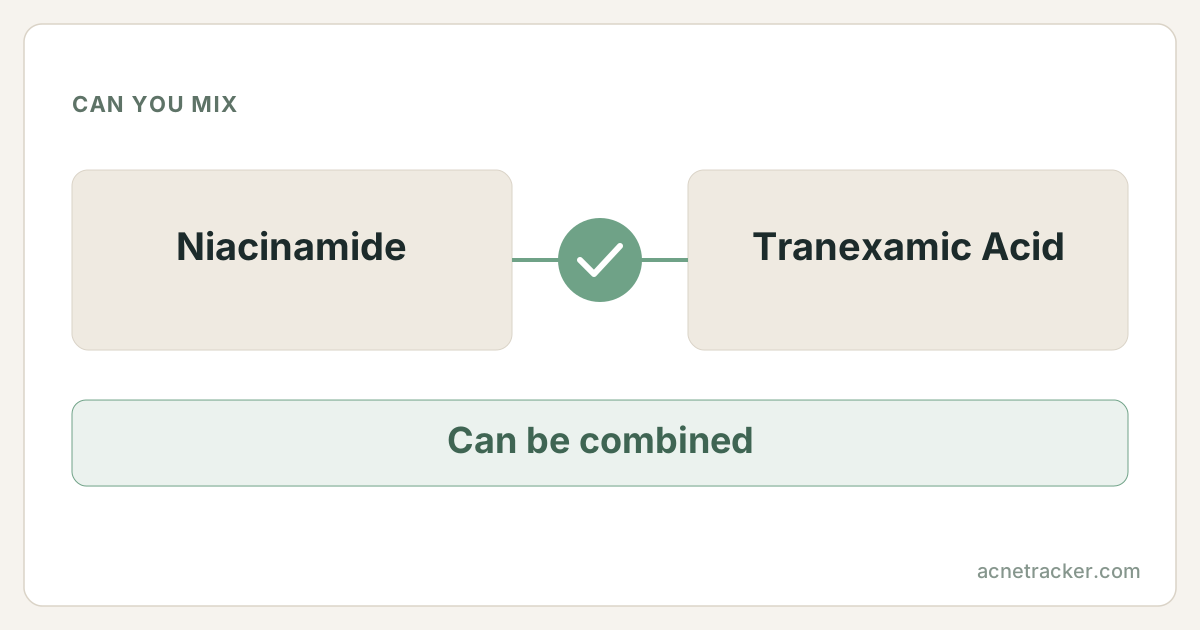
Yes, and it is a smart combination for stubborn pigmentation. Niacinamide and tranexamic acid both fade dark marks and melasma through different mechanisms, and studies pairing them show better results than either alone. They are gentle and pH-compatible, so you can layer them daily with no waiting. Apply tranexamic acid then niacinamide, and always wear daily sunscreen.
How this pairing resolves
The two ingredients, their published numbers, and where they land together.
The numbers beside each ingredient are its published comedogenic rating and effective pH window, taken from its own profile page.
Show the numbers
| Ingredients | Metric | 0–5 |
|---|---|---|
| Niacinamide | Comedogenic rating | 0/5 |
| Niacinamide | Effective pH | 5.0–7.0 |
| Tranexamic Acid | Comedogenic rating | 0/5 |
| Tranexamic Acid | Effective pH | no published pH |
Why
Tranexamic acid is best known as a medicine that reduces bleeding, but in skincare it works on pigment through a distinctive route: it calms the interaction between skin cells and the melanocytes that produce pigment, dampening the overactive signalling — including some driven by blood vessels and inflammation — that keeps melasma and stubborn marks switched on. Niacinamide complements this by interrupting the transfer of finished pigment to surface cells and by calming inflammation and strengthening the barrier. Because tranexamic acid addresses the upstream signalling and vascular component while niacinamide handles pigment transfer, the two cover parts of the pigment pathway that neither reaches alone, which is why dermatology studies of combined topical formulas report improved fading. Neither ingredient is an exfoliating acid despite tranexamic acid's name, both work at gentle pH, and both are well tolerated, so there is no pH clash and no meaningful added irritation. This makes the duo particularly appealing for melasma, which is notoriously sensitive to aggressive treatment.
How to combine them
Apply the lighter serum first: usually tranexamic acid on clean skin, then niacinamide, then moisturizer. Both can be used morning and evening, daily, without an adjustment period, and many brightening serums combine them along with other actives. Because melasma and dark marks are strongly UV-driven, broad-spectrum SPF 30 or higher every single morning, reapplied through the day, is the most important part of the whole routine — ideally a tinted mineral sunscreen, since visible light also worsens melasma. Give the combination at least 8 to 12 weeks and expect gradual, not overnight, improvement. If your pigmentation is extensive or you suspect melasma, a dermatologist can advise on stronger prescription options alongside these gentle topicals.
Example routine
| When | Steps |
|---|---|
| Morning | Cleanser → Tranexamic acid → Niacinamide → Moisturizer → SPF 30+ (tinted) |
| Evening | Cleanser → Tranexamic acid → Niacinamide → Moisturizer |
| Key point | Tinted mineral SPF, since visible light also drives melasma |
Warning signs
Frequently asked questions
How do niacinamide and tranexamic acid work together?
Tranexamic acid calms the overactive signalling and vascular component that keeps pigment switched on, while niacinamide blocks pigment transfer to the surface. Together they cover more of the pathway than either alone.
Is niacinamide with tranexamic acid a good melasma treatment?
Yes, it is one of the better gentle options. Studies of combined topicals show improved fading, and both are mild enough for melasma-prone skin, which reacts badly to harsh treatment.
Is tranexamic acid an exfoliating acid that niacinamide would have to work around?
No, despite the name. It does not exfoliate or need a low pH; it acts on pigment signalling. That is why it layers so easily with niacinamide and other gentle actives.
How long until niacinamide and tranexamic acid fade dark marks?
Expect gradual improvement over 8 to 12 weeks at least. Pigmentation fades slowly, and consistent daily use plus rigorous sun protection is what determines success.
Do I still need sunscreen with these?
Absolutely, it is the most important step. UV and even visible light re-trigger the pigment these ingredients fade, so a daily tinted broad-spectrum SPF is essential for any result.
Sources & further reading
There is no single study of this exact question. The guidance here is reasoned from the ingredient profiles below, each of which carries its own references:
- Niacinamide2 refs
- Tranexamic Acid3 refs
Show every reference behind this page (5)
- Niacinamide: mechanisms of action and its topical use in dermatology (PubMed)cited by Niacinamide
- European Commission CosIng database — Niacinamidecited by Niacinamide
- PubChem — Tranexamic acid compound summarycited by Tranexamic Acid
- Tranexamic Acid for Hyperpigmentation Disorders: A Literature Review on Efficacy and Safety in Melasma and PIH. J Cosmet Dermatol 2026 Feb (PubMed)cited by Tranexamic Acid
- DermNet — Melasmacited by Tranexamic Acid
Medical disclaimer
Ingredients mentioned on this page
Find your personal acne triggers
Our free Acne Tracker lets you log breakouts, sleep, stress and diet, and shows you which factors correlate with your flare-ups.