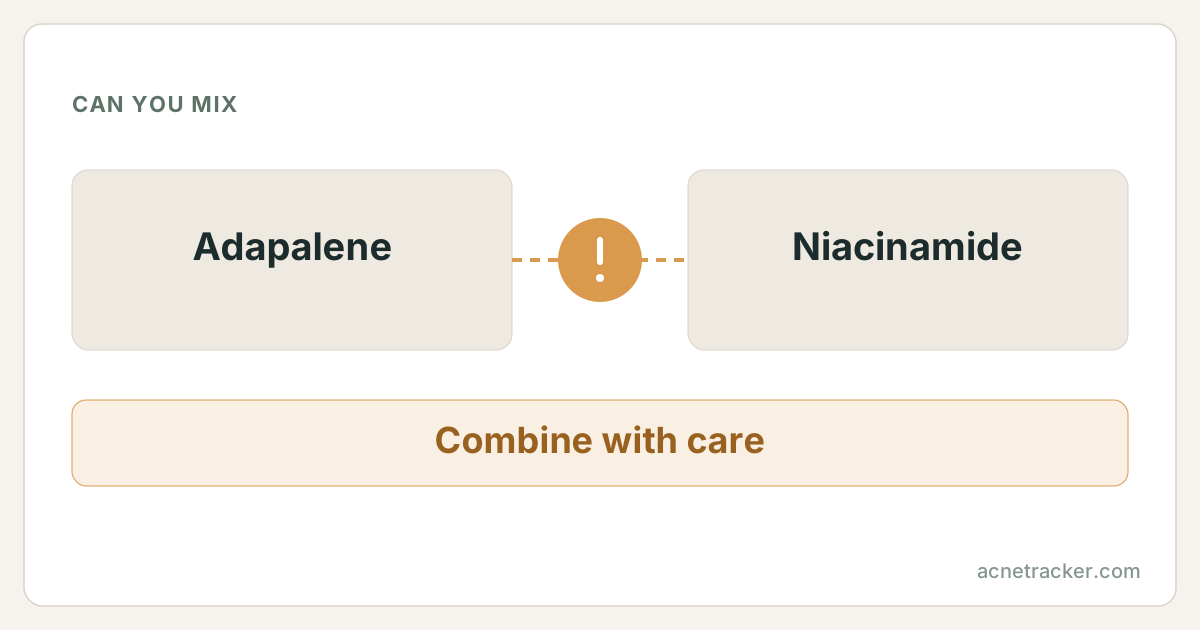
Can You Mix Adapalene and Niacinamide?
Yes, and niacinamide actually makes adapalene easier to tolerate. Adapalene is a retinoid acne treatment that is drying and irritating during the first weeks, and niacinamide calms that reaction while supporting the barrier. The caution is about pacing, not compatibility: introduce adapalene slowly and let niacinamide buffer it. Apply niacinamide first, then a thin layer of adapalene, then moisturizer.
How this pairing resolves
The two ingredients, their published numbers, and where they land together.
The numbers beside each ingredient are its published comedogenic rating and effective pH window, taken from its own profile page.
Show the numbers
| Ingredients | Metric | 0–5 |
|---|---|---|
| Adapalene | Comedogenic rating | 1/5 |
| Adapalene | Effective pH | 5.0–6.5 |
| Niacinamide | Comedogenic rating | 0/5 |
| Niacinamide | Effective pH | 5.0–7.0 |
Why
Adapalene is a third-generation retinoid, now available over the counter at 0.1 percent in many places, that binds to skin receptors to normalise how cells shed inside the pore, making it effective against blackheads, whiteheads and inflammatory acne. Like all retinoids it triggers an adjustment phase — dryness, flaking, redness and sometimes an initial purge — as the skin adapts. Niacinamide works on an entirely different pathway: it rebuilds ceramides and barrier lipids, reduces water loss and calms inflammation, so it directly counters adapalene's harshest early side effects. There is no chemical incompatibility; both work at skin-friendly pH and niacinamide is not an acid. The reason for a caution rather than an unqualified yes is that adapalene is a genuine treatment-strength retinoid, so stacking any active carelessly, or introducing adapalene too fast, still risks over-irritation. Used thoughtfully, niacinamide is one of the best companions for making an adapalene routine sustainable.
How to combine them
Introduce adapalene slowly — start two or three nights a week and build up as tolerance allows. On clean, dry skin apply niacinamide serum first, wait a minute, then a pea-sized amount of adapalene for the whole face, and finish with moisturizer; the moisturizer-before-and-after sandwich also works well for sensitive skin. Keep niacinamide every night, including the nights you skip adapalene, to keep the barrier supported. Adapalene works best used consistently over months, so persistence through the adjustment phase matters. In the morning, use niacinamide, moisturizer and broad-spectrum SPF 30 or higher, since retinoids increase sun sensitivity. If acne is severe or not improving, a dermatologist can guide stronger prescription options.
Example routine
| When | Steps |
|---|---|
| Evening (adapalene nights) | Cleanser → Niacinamide → Adapalene (pea-size) → Moisturizer |
| Evening (other nights) | Cleanser → Niacinamide → Moisturizer |
| Every morning | Cleanser → Niacinamide → Moisturizer → SPF 30+ |
Warning signs
Frequently asked questions
Does niacinamide help with adapalene irritation?
Yes, that is the single best reason to run niacinamide alongside adapalene. Niacinamide rebuilds the barrier and calms inflammation, directly easing the dryness, flaking and redness adapalene causes during the adjustment phase.
Should I apply niacinamide before or after adapalene?
Apply niacinamide first on clean, dry skin, then a thin layer of adapalene, then moisturizer. Niacinamide is not an acid, so it preps and buffers without blocking adapalene from working.
Can I keep using adapalene and niacinamide during pregnancy?
No. Adapalene and other retinoids are generally avoided in pregnancy and breastfeeding. Niacinamide is considered safe, so if you are pregnant, drop the adapalene and speak to your doctor.
How do I avoid the adapalene purge and dryness?
Introduce it slowly, two or three nights a week, use a pea-sized amount, and keep niacinamide and moisturizer daily. You cannot always skip the adjustment phase, but this makes it milder.
Is adapalene available without a prescription?
In many countries the 0.1 percent strength is sold over the counter as an acne treatment. Stronger versions need a prescription; a dermatologist can advise if it is not working.
Sources & further reading
There is no single study of this exact question. The guidance here is reasoned from the ingredient profiles below, each of which carries its own references:
- Adapalene3 refs
- Niacinamide2 refs
Show every reference behind this page (5)
- PubChem — Adapalene compound summarycited by Adapalene
- DermNet — Adapalenecited by Adapalene
- FDA — Drugs (over-the-counter acne products)cited by Adapalene
- Niacinamide: mechanisms of action and its topical use in dermatology (PubMed)cited by Niacinamide
- European Commission CosIng database — Niacinamidecited by Niacinamide
Medical disclaimer
Ingredients mentioned on this page
Find your personal acne triggers
Our free Acne Tracker lets you log breakouts, sleep, stress and diet, and shows you which factors correlate with your flare-ups.