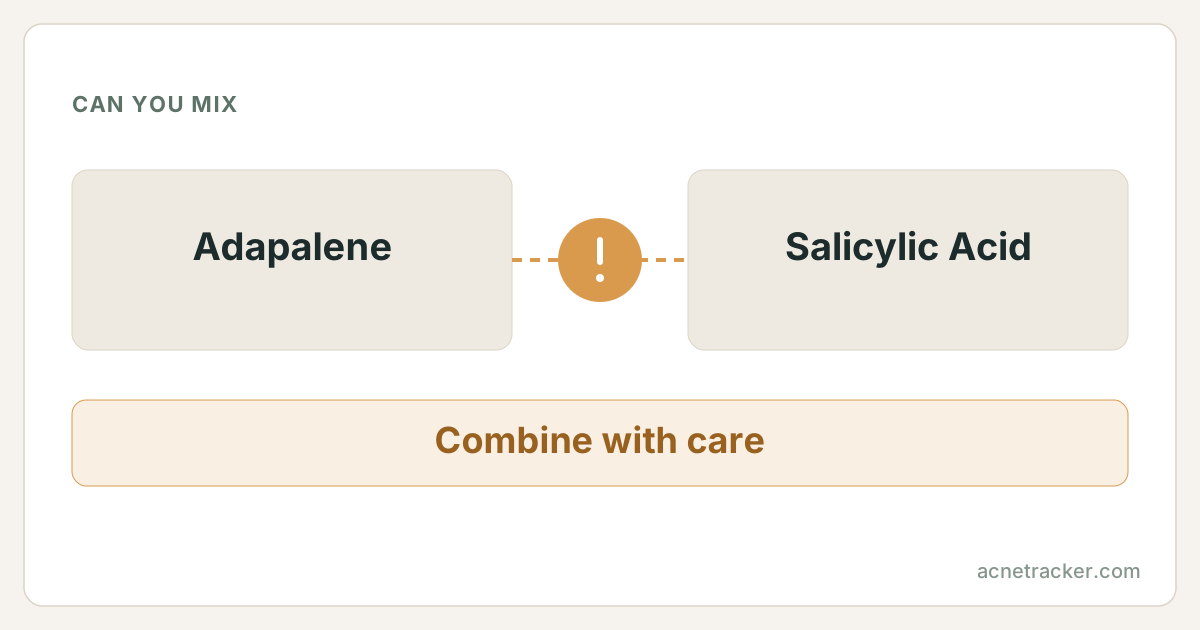
Can You Mix Adapalene and Salicylic Acid?
Cautiously. Adapalene is a retinoid and salicylic acid is an exfoliating acid, and both are proven acne treatments, but layering them at the same time often causes too much dryness, peeling and irritation. Most people get better results alternating them on different nights, letting each work without overwhelming the skin barrier. Introduce one at a time and build up slowly.
How this pairing resolves
The two ingredients, their published numbers, and where they land together.
The numbers beside each ingredient are its published comedogenic rating and effective pH window, taken from its own profile page.
Show the numbers
| Ingredients | Metric | 0–5 |
|---|---|---|
| Adapalene | Comedogenic rating | 1/5 |
| Adapalene | Effective pH | 5.0–6.5 |
| Salicylic Acid | Comedogenic rating | 0/5 |
| Salicylic Acid | Effective pH | 3.0–4.0 |
Why
Adapalene is a third-generation retinoid, available over the counter in some countries and by prescription in others, that normalizes how skin cells shed inside the follicle, preventing the micro-plugs that start acne, and it is strongly anti-inflammatory. Salicylic acid is an oil-soluble beta-hydroxy acid that exfoliates the pore and clears existing congestion. On paper they complement each other — adapalene prevents new comedones forming while salicylic acid clears current ones — and dermatologists do sometimes combine them. The reason for caution is overlapping irritation, not chemical incompatibility. Both increase cell turnover and both compromise the barrier during the adjustment phase, so used together nightly they commonly cause the classic retinoid-plus-acid reaction: dryness, flaking, redness, tightness and stinging. That irritation can actually stall progress by pushing people to quit. Because adapalene is a medicine, the safest approach is to follow a clinician's guidance on how to combine it with any exfoliant rather than self-escalate.
How to combine them
The most tolerable method is to alternate: adapalene on some nights, salicylic acid on others, with the exact split guided by how your skin copes and any advice from your prescriber or pharmacist. Apply adapalene as directed to clean, dry skin, and on its off nights use salicylic acid, always following with moisturizer. Avoid layering both in the same routine unless a clinician has told you to; if you do, expect more irritation and reduce frequency. Use a gentle cleanser, a supportive moisturizer, and daily SPF 30+, since both actives raise sun sensitivity. Start with just one, let your skin adjust over several weeks, then carefully add the other. This is general guidance, not a dosing instruction.
Example routine
| When | Steps |
|---|---|
| Monday PM | Cleanser → Adapalene → Moisturizer |
| Tuesday PM | Cleanser → Salicylic acid → Moisturizer |
| Recovery PM | Cleanser → Moisturizer only |
| Every morning | Gentle cleanser → Moisturizer → SPF 30+ |
Warning signs
Frequently asked questions
Can I use adapalene and salicylic acid on the same night?
It is usually too irritating for most people. Layering a retinoid and an exfoliating acid often causes excess dryness and peeling. Alternating them on different nights is gentler and often just as effective.
Which should I apply if a spot flares up?
Adapalene is a preventive treatment used consistently, not a quick spot fix, while salicylic acid can help clear an individual congested spot. Do not double up on the same night just because of a flare; keep to your rotation.
Do I need a prescription for adapalene?
It depends on your country and the strength; lower-strength adapalene is available over the counter in some places and by prescription in others. Follow the product or clinician instructions, and treat combining it with acids conservatively.
Is it safe to use adapalene and salicylic acid in pregnancy?
Retinoids like adapalene are generally avoided in pregnancy, and leave-on salicylic acid is usually limited or avoided too. Speak to your doctor before using either; this is general information, not medical advice.
Sources & further reading
There is no single study of this exact question. The guidance here is reasoned from the ingredient profiles below, each of which carries its own references:
- Adapalene3 refs
- Salicylic Acid2 refs
Show every reference behind this page (4)
- PubChem — Adapalene compound summarycited by Adapalene
- DermNet — Adapalenecited by Adapalene
- FDA — Drugs (over-the-counter acne products)cited by Adapalene, Salicylic Acid
- Salicylic acid as a peeling agent: a comprehensive review (PubMed)cited by Salicylic Acid
Medical disclaimer
Ingredients mentioned on this page
Find your personal acne triggers
Our free Acne Tracker lets you log breakouts, sleep, stress and diet, and shows you which factors correlate with your flare-ups.