Can You Mix Lactic Acid and Mandelic Acid?
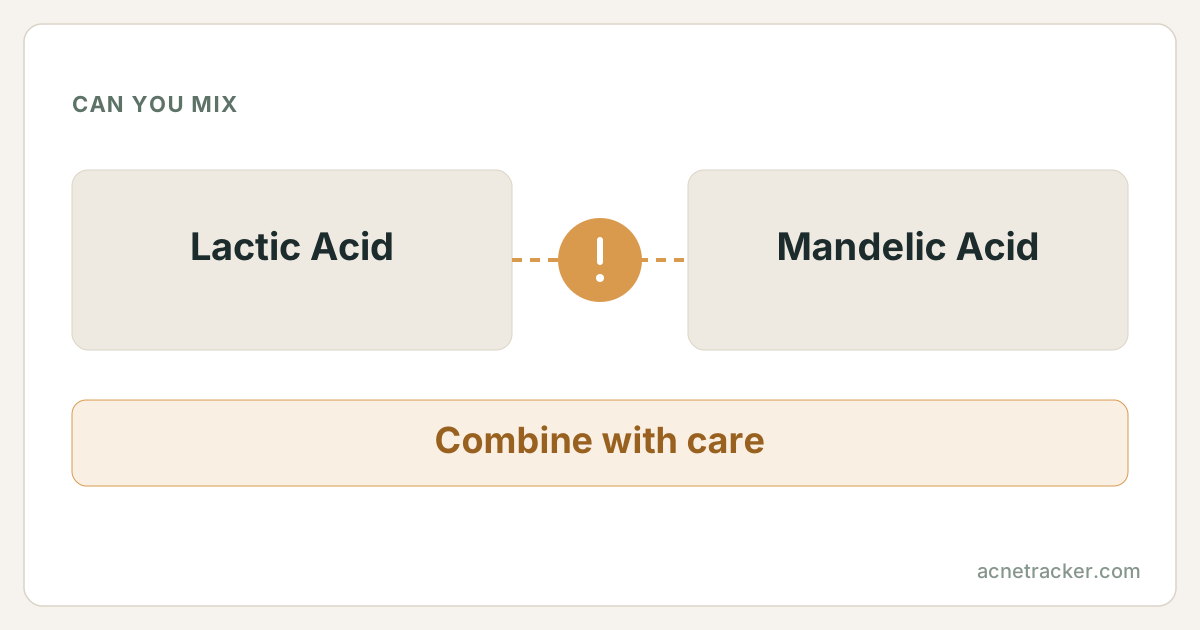
You can, but treat it as pairing two exfoliating acids rather than an acid plus a support ingredient. Lactic acid and mandelic acid are both alpha-hydroxy acids, so using them together increases total exfoliation and the risk of over-doing it. The smart approach is to alternate nights or choose a blended formula, not to layer two separate strong AHA products in one sitting.
How this pairing resolves
The two ingredients, their published numbers, and where they land together.
The numbers beside each ingredient are its published comedogenic rating and effective pH window, taken from its own profile page.
Show the numbers
| Ingredients | Metric | 0–5 |
|---|---|---|
| Lactic Acid | Comedogenic rating | 0/5 |
| Lactic Acid | Effective pH | 3.0–4.0 |
| Mandelic Acid | Comedogenic rating | 0/5 |
| Mandelic Acid | Effective pH | 3.0–4.0 |
Why
Lactic acid and mandelic acid belong to the same alpha-hydroxy acid family but differ in molecule size, and that difference is the whole point of pairing them. Lactic acid has a small-to-medium molecule that penetrates the upper layers fairly quickly, loosening the bonds between dead surface cells and drawing in water as it goes. Mandelic acid is a notably larger molecule derived from bitter almonds, so it moves into the skin more slowly and evenly, which is why it is often the gentlest AHA for reactive or darker skin tones prone to post-inflammatory pigmentation. Used together they cover a broader depth of exfoliation, but the flip side is real: two acids working at the same low pH multiply surface disruption, and the barrier can only tolerate so much shedding before it dries out and stings. There is no chemical incompatibility here, both are simple carboxylic acids that coexist happily in one bottle. The caution is purely about cumulative dose and your skin's tolerance, not a reaction between the two.
How to combine them
The safest route is a professionally blended AHA product that already balances both acids at a sensible total concentration, used two or three evenings a week. If you own them as separate products, alternate them on different nights rather than layering, for example mandelic acid on Monday and lactic acid on Thursday, which lets skin recover between doses. If you insist on one combined session, apply the lower-strength product first, wait until skin is dry, then the second, and cut your usual frequency in half. Always follow with a bland moisturizer, and never add a third exfoliant such as a scrub or a BHA on the same night. Because both acids raise sun sensitivity, daily broad-spectrum SPF 30 or higher is essential the morning after any acid night. Introduce the pair slowly, starting once weekly.
Example routine
| When | Steps |
|---|---|
| Monday PM | Cleanser → Mandelic acid → Moisturizer |
| Thursday PM | Cleanser → Lactic acid → Moisturizer |
| Other evenings | Cleanser → Moisturizer (barrier recovery) |
| Every morning | Cleanser → Moisturizer → SPF 30+ |
Warning signs
Frequently asked questions
Is lactic acid or mandelic acid gentler on sensitive skin?
Mandelic acid is usually gentler because its larger molecule penetrates more slowly and evenly. If your skin reacts easily, lead with mandelic acid and treat lactic acid as the occasional stronger option.
Can I layer lactic acid and mandelic acid in the same routine?
You can, but you rarely should. Layering two AHAs at once doubles the exfoliating load. Alternating them on separate nights delivers similar benefits with far less risk of over-exfoliation.
Which one is better for hyperpigmentation and dark marks?
Mandelic acid has the stronger reputation for pigmentation, especially on deeper skin tones, because it exfoliates gently while discouraging post-inflammatory marks. Lactic acid still helps with tone and adds hydration.
How often can I use both acids together?
For most people, two or three total acid nights per week is the ceiling whether you alternate or blend. Very sensitive skin should stay at once weekly until tolerance is clearly established.
Sources & further reading
There is no single study of this exact question. The guidance here is reasoned from the ingredient profiles below, each of which carries its own references:
- Lactic Acid3 refs
- Mandelic Acid2 refs
Show every reference behind this page (4)
- PubChem — Lactic acid compound summarycited by Lactic Acid
- DermNet — Alpha hydroxy acidscited by Lactic Acid, Mandelic Acid
- European Commission CosIng database — Lactic Acidcited by Lactic Acid
- Mandelic acid — PubChem compound summarycited by Mandelic Acid
Medical disclaimer
Ingredients mentioned on this page
Find your personal acne triggers
Our free Acne Tracker lets you log breakouts, sleep, stress and diet, and shows you which factors correlate with your flare-ups.