Can You Mix Glycolic Acid and Tranexamic Acid?
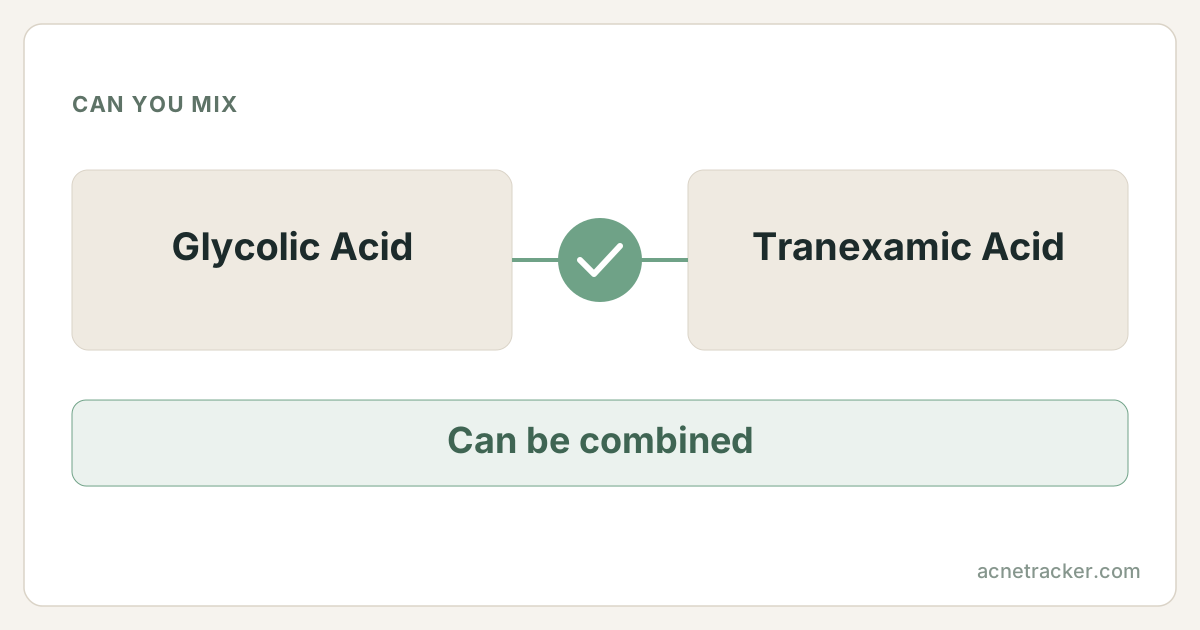
Yes. Glycolic acid and tranexamic acid are a smart combination for stubborn discolouration, including melasma and post-acne marks. Tranexamic acid interrupts the signalling that drives excess pigment, while glycolic acid exfoliates pigmented surface cells so results show sooner. Tranexamic acid is gentle, so most irritation comes from the glycolic step; introduce it slowly and keep up daily sunscreen.
How this pairing resolves
The two ingredients, their published numbers, and where they land together.
The numbers beside each ingredient are its published comedogenic rating and effective pH window, taken from its own profile page.
Show the numbers
| Ingredients | Metric | 0–5 |
|---|---|---|
| Glycolic Acid | Comedogenic rating | 0/5 |
| Glycolic Acid | Effective pH | 3.0–4.0 |
| Tranexamic Acid | Comedogenic rating | 0/5 |
| Tranexamic Acid | Effective pH | no published pH |
Why
This is another prevent-and-clear pairing, but tranexamic acid works through an unusual route. Rather than only blocking the pigment enzyme like arbutin or kojic acid, tranexamic acid interferes with the plasmin pathway and the messengers passed from keratinocytes to pigment cells, which calms the overproduction of melanin that drives melasma and heat- or inflammation-triggered darkening. Glycolic acid contributes nothing to that signalling; it is an AHA that removes the dead, pigment-laden cells sitting at the surface, so the discolouration already present clears faster while tranexamic acid slows what is coming. That division of labour is why they are used together for difficult, recurring pigmentation. Tranexamic acid is generally well tolerated and not itself an exfoliant, so it does not add sting. The caution, as with any glycolic pairing, is that the acid lowers surface pH, raises UV sensitivity and can irritate, and irritation can worsen melasma. Steady, gentle use plus disciplined sun protection beats aggressive layering every time with pigment.
How to combine them
Tranexamic acid can be used morning and night because it is mild, so an easy structure is tranexamic acid twice daily with glycolic acid slotted into the evening a few nights a week. Morning: cleanse, apply tranexamic acid, moisturise, then SPF 30+, which is critical for any pigment treatment. Evening: cleanse, on acid nights apply glycolic to dry skin then moisturiser; on other nights apply tranexamic acid again. If layering in one routine, apply glycolic first, let it settle a few minutes, then tranexamic acid. Start the glycolic at twice weekly and build up only if comfortable. Because melasma is chronic and easily reignited by sun and heat, treat sunscreen and shade as part of the active routine, not an optional extra.
Example routine
| When | Steps |
|---|---|
| Morning | Cleanser → Tranexamic acid → Moisturiser → SPF 30+ |
| Evening (Tue/Thu) | Cleanser → Glycolic acid → Moisturiser |
| Evening (other days) | Cleanser → Tranexamic acid → Moisturiser |
| Note | Sun and heat can reignite melasma, protect daily |
Warning signs
Frequently asked questions
How is tranexamic acid different from other brighteners?
Most brighteners inhibit the pigment enzyme tyrosinase. Tranexamic acid instead calms the signalling between skin cells and pigment cells, which makes it especially useful for melasma and heat-triggered darkening.
Can I use tranexamic acid twice a day with glycolic?
Yes. Tranexamic acid is gentle enough for morning and night. Keep the glycolic step to a few evenings a week and let tranexamic acid carry the everyday brightening work.
Will this cure my melasma?
No product cures melasma; it is a chronic, relapsing condition. This pair can visibly lighten it with consistent use and strict sun protection, but maintenance and a dermatologist's input are often needed.
Does glycolic acid make melasma worse?
Only if it irritates. Controlled, low-frequency glycolic use helps clear surface pigment, but over-exfoliation and inflammation can aggravate melasma, so gentle use and daily SPF are essential.
Sources & further reading
There is no single study of this exact question. The guidance here is reasoned from the ingredient profiles below, each of which carries its own references:
- Glycolic Acid3 refs
- Tranexamic Acid3 refs
Show every reference behind this page (6)
- PubChem — Glycolic acid compound summarycited by Glycolic Acid
- DermNet — Alpha hydroxy acidscited by Glycolic Acid
- European Commission CosIng database — Glycolic Acidcited by Glycolic Acid
- PubChem — Tranexamic acid compound summarycited by Tranexamic Acid
- Tranexamic Acid for Hyperpigmentation Disorders: A Literature Review on Efficacy and Safety in Melasma and PIH. J Cosmet Dermatol 2026 Feb (PubMed)cited by Tranexamic Acid
- DermNet — Melasmacited by Tranexamic Acid
Medical disclaimer
Ingredients mentioned on this page
Find your personal acne triggers
Our free Acne Tracker lets you log breakouts, sleep, stress and diet, and shows you which factors correlate with your flare-ups.