Can You Mix Glycolic Acid and Hyaluronic Acid?
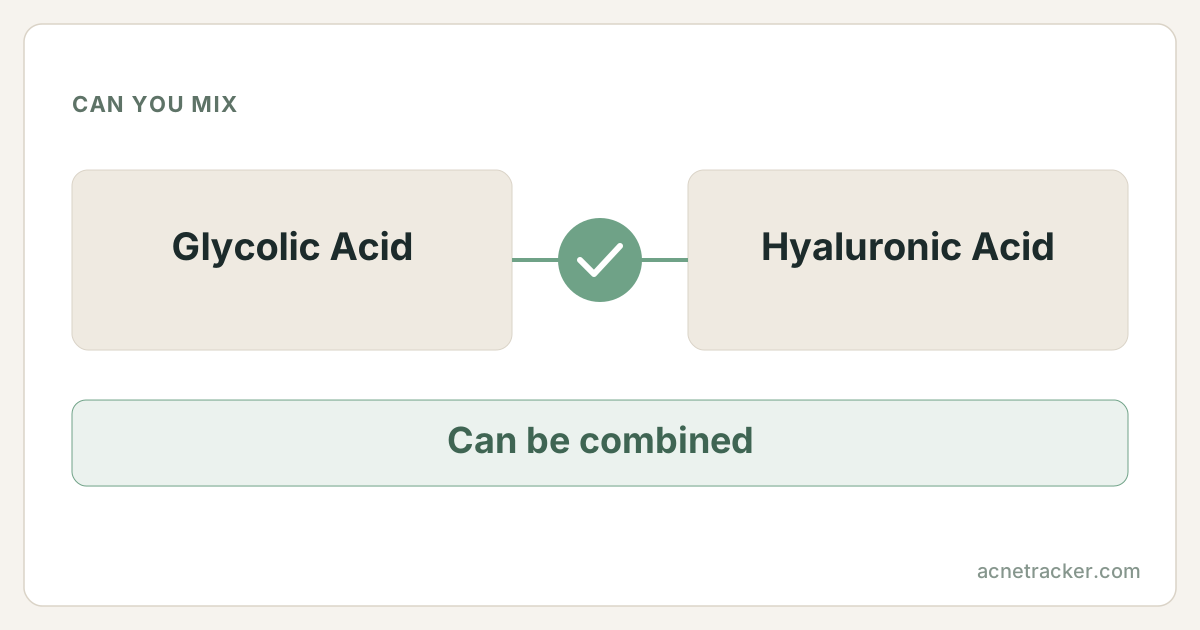
Yes, and it is one of the best pairings you can make. Hyaluronic acid is a hydrating humectant, not an exfoliating acid, so it does not compete with glycolic acid at all. Glycolic exfoliates and can leave skin dry, while hyaluronic acid replaces water and cushions that dryness. Apply glycolic first, then hyaluronic acid, then a moisturiser to lock everything in.
How this pairing resolves
The two ingredients, their published numbers, and where they land together.
The numbers beside each ingredient are its published comedogenic rating and effective pH window, taken from its own profile page.
Show the numbers
| Ingredients | Metric | 0–5 |
|---|---|---|
| Glycolic Acid | Comedogenic rating | 0/5 |
| Glycolic Acid | Effective pH | 3.0–4.0 |
| Hyaluronic Acid | Comedogenic rating | 0/5 |
| Hyaluronic Acid | Effective pH | no published pH |
Why
The word acid is misleading here because the two do completely different things. Glycolic acid is an AHA that dissolves the bonds between dead surface cells to smooth and brighten, and in doing so it removes some of the skin's surface moisture and can leave it feeling tight. Hyaluronic acid is not an exfoliant at all; it is a humectant that can hold many times its weight in water, drawing moisture into the upper layers and softening the skin. That makes it the natural counterweight to glycolic's drying effect. There is no pH clash to worry about, no doubling of irritation, and no loss of efficacy. If anything, freshly exfoliated skin can absorb hydrating ingredients more readily, so applying hyaluronic acid after glycolic helps the skin recover comfortably. One small tip: hyaluronic acid works best on slightly damp skin and needs a moisturiser sealed over it, otherwise in dry air it can pull water from deeper skin and leave you feeling tighter, not less so.
How to combine them
Layer thinnest to thickest and let the acid act first. Evening: cleanse, apply glycolic acid to dry skin, wait a couple of minutes for it to settle, then apply hyaluronic acid to skin that is still slightly damp, and finish with a moisturiser to seal in the water. You can use hyaluronic acid every day and in the morning too, since it is gentle and non-irritating; only the glycolic step needs to be limited to two or three nights a week while your skin adjusts. Because glycolic raises sun sensitivity, keep a broad-spectrum SPF 30+ in your morning routine. This pairing is especially good if glycolic has been leaving your skin dry or flaky, because the hyaluronic layer directly offsets that.
Example routine
| When | Steps |
|---|---|
| Evening (acid nights) | Cleanser → Glycolic acid → Hyaluronic acid → Moisturiser |
| Evening (other days) | Cleanser → Hyaluronic acid → Moisturiser |
| Morning | Cleanser → Hyaluronic acid → Moisturiser → SPF 30+ |
| Tip | Apply hyaluronic acid to damp skin, always seal with moisturiser |
Warning signs
Frequently asked questions
Should glycolic or hyaluronic acid go on first?
Glycolic acid first, on dry skin, so it can work. Then apply hyaluronic acid to slightly damp skin and seal with moisturiser. This order lets the acid act while hydration replaces lost moisture.
Can I use hyaluronic acid every day with glycolic?
Yes. Hyaluronic acid is gentle and non-exfoliating, so you can use it morning and night, every day, while limiting the glycolic step to two or three nights a week.
Will hyaluronic acid reduce how well glycolic works?
No. It is a humectant, not something that blocks exfoliation. Applied after glycolic has settled, it simply rehydrates without interfering with the resurfacing you have already done.
Why does hyaluronic acid sometimes make skin feel tight?
In dry air, hyaluronic acid can pull water from deeper in the skin if there is nothing to seal it. Apply it to damp skin and always follow with a moisturiser to trap the moisture.
Sources & further reading
There is no single study of this exact question. The guidance here is reasoned from the ingredient profiles below, each of which carries its own references:
- Glycolic Acid3 refs
- Hyaluronic Acid3 refs
Show every reference behind this page (5)
- PubChem — Glycolic acid compound summarycited by Glycolic Acid
- DermNet — Alpha hydroxy acidscited by Glycolic Acid
- European Commission CosIng database — Glycolic Acidcited by Glycolic Acid, Hyaluronic Acid
- PubChem — Hyaluronic acid compound summarycited by Hyaluronic Acid
- DermNet — Moisturisers and humectantscited by Hyaluronic Acid
Medical disclaimer
Ingredients mentioned on this page
Find your personal acne triggers
Our free Acne Tracker lets you log breakouts, sleep, stress and diet, and shows you which factors correlate with your flare-ups.