Can You Mix Azelaic Acid and Glycolic Acid?
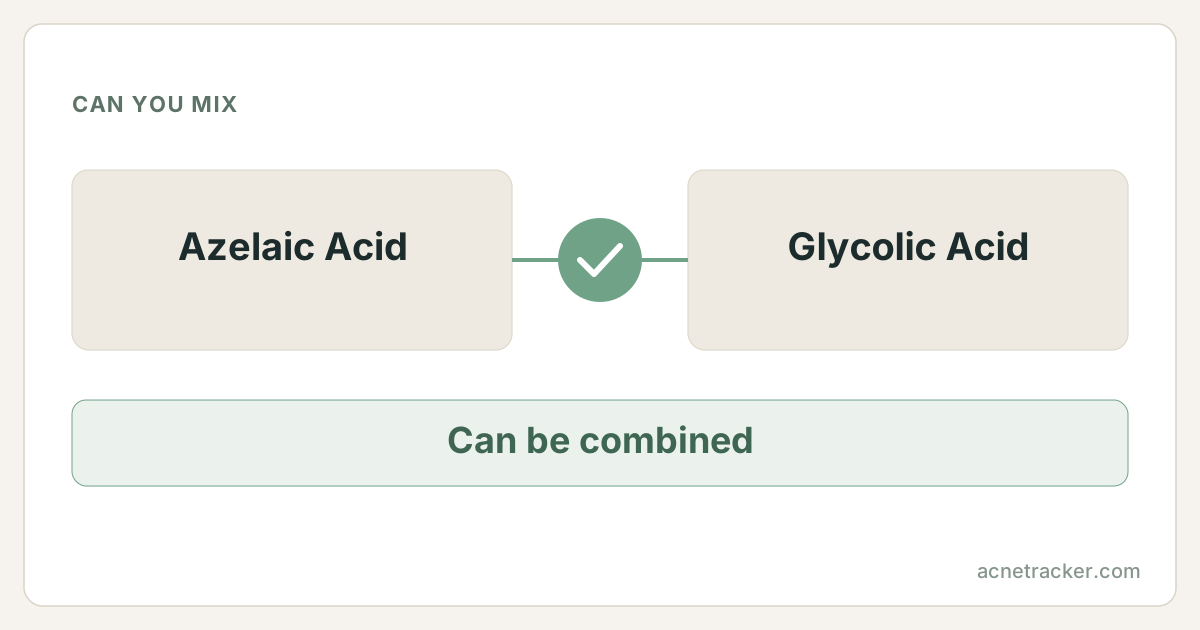
Yes. Glycolic acid and azelaic acid work through different mechanisms, so they complement rather than duplicate each other. Glycolic exfoliates the surface while azelaic calms inflammation, curbs acne bacteria and fades pigmentation. They pair well for acne-prone and uneven skin. Because both can be drying, introduce them one at a time and consider splitting them across morning and evening rather than layering at full strength.
How this pairing resolves
The two ingredients, their published numbers, and where they land together.
The numbers beside each ingredient are its published comedogenic rating and effective pH window, taken from its own profile page.
Show the numbers
| Ingredients | Metric | 0–5 |
|---|---|---|
| Azelaic Acid | Comedogenic rating | 0/5 |
| Azelaic Acid | Effective pH | 4.0–5.0 |
| Glycolic Acid | Comedogenic rating | 0/5 |
| Glycolic Acid | Effective pH | 3.0–4.0 |
Why
Despite the shared word acid, these two behave differently. Glycolic acid is an AHA exfoliant that loosens dead surface cells to smooth texture and unclog pores. Azelaic acid is a dicarboxylic acid that is not really an exfoliant at all; it is anti-inflammatory, antibacterial against acne-causing bacteria, and a tyrosinase inhibitor that lightens post-acne dark marks and melasma. So one resurfaces and the other calms and brightens, which is a genuinely complementary split rather than a doubled action. There is even a helpful synergy: by clearing the dead-cell layer, glycolic can improve how evenly azelaic penetrates. The main caution is tolerance. Azelaic can cause a transient tingling, and glycolic adds sting and dryness, so combining both at once can overwhelm a sensitive barrier. Glycolic also lowers surface pH and raises UV sensitivity, while azelaic is well tolerated in pregnancy and does not increase photosensitivity, which is why many people run azelaic daily and slot glycolic in a few times a week.
How to combine them
The easiest split is azelaic acid in the morning and glycolic acid at night. Morning: cleanse, apply azelaic (10 to 20 percent cosmetic strengths are common), moisturise, then SPF 30+. Evening: cleanse, apply glycolic to dry skin two to three nights a week, then moisturiser; on off nights use azelaic again or just moisturiser. If you prefer one routine, you can layer azelaic after glycolic in the same evening once your skin is used to each, applying glycolic first, waiting a few minutes, then azelaic. Start low and slow, keep the rest of the routine bland, and always pair with daytime sunscreen because the glycolic step increases sun sensitivity even though azelaic itself does not.
Example routine
| When | Steps |
|---|---|
| Morning | Cleanser → Azelaic acid → Moisturiser → SPF 30+ |
| Evening (Mon/Wed/Fri) | Cleanser → Glycolic acid → Moisturiser |
| Evening (other days) | Cleanser → Azelaic acid → Moisturiser |
| First 2 weeks | Add one acid at a time, lower frequency |
Warning signs
Frequently asked questions
Is azelaic acid an exfoliant like glycolic?
No. Azelaic acid is a dicarboxylic acid that fights acne bacteria, calms inflammation and lightens pigment. It does not slough dead cells the way glycolic does, which is why the two complement each other.
Should I use azelaic and glycolic at the same time of day?
You can once your skin is adjusted, but splitting azelaic into the morning and glycolic into the evening is gentler and lets each ingredient work without stacking dryness and sting.
Is this combination safe during pregnancy?
Azelaic acid is generally considered safe in pregnancy, and glycolic acid used topically is low risk, but always confirm your specific products with your doctor or midwife first.
Which helps dark marks more?
Azelaic acid directly inhibits pigment production, while glycolic speeds cell turnover to shed pigmented cells. Together they fade post-acne marks faster than either alone, provided you also use daily sunscreen.
Sources & further reading
There is no single study of this exact question. The guidance here is reasoned from the ingredient profiles below, each of which carries its own references:
- Azelaic Acid3 refs
- Glycolic Acid3 refs
Show every reference behind this page (5)
- PubChem — Azelaic acid compound summarycited by Azelaic Acid
- DermNet — Azelaic acidcited by Azelaic Acid
- European Commission CosIng database — Azelaic Acidcited by Azelaic Acid, Glycolic Acid
- PubChem — Glycolic acid compound summarycited by Glycolic Acid
- DermNet — Alpha hydroxy acidscited by Glycolic Acid
Medical disclaimer
Ingredients mentioned on this page
Find your personal acne triggers
Our free Acne Tracker lets you log breakouts, sleep, stress and diet, and shows you which factors correlate with your flare-ups.