Can You Mix Glycolic Acid and Tea Tree Oil?
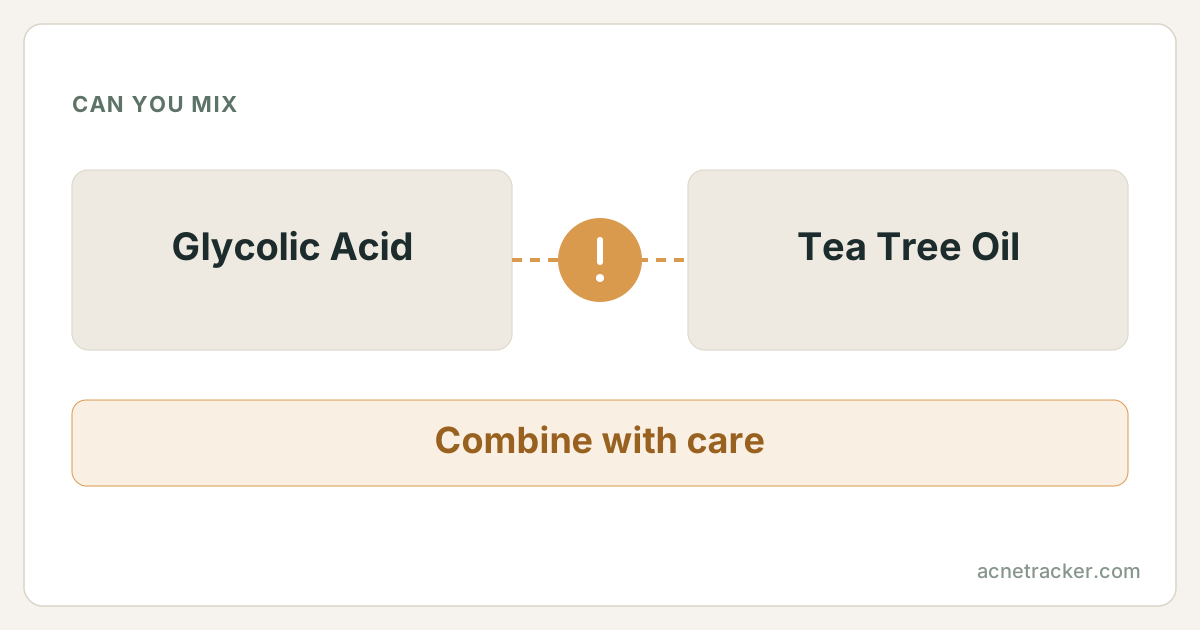
Use caution. Glycolic acid exfoliates and tea tree oil is an antibacterial essential oil, so they tackle acne differently, but both can dry and irritate, and tea tree oil can sensitise skin if overused or applied undiluted. The safest approach is to keep glycolic as your overall exfoliant and use properly diluted tea tree oil only as an occasional spot treatment, not layered all over.
How this pairing resolves
The two ingredients, their published numbers, and where they land together.
The numbers beside each ingredient are its published comedogenic rating and effective pH window, taken from its own profile page.
Show the numbers
| Ingredients | Metric | 0–5 |
|---|---|---|
| Glycolic Acid | Comedogenic rating | 0/5 |
| Glycolic Acid | Effective pH | 3.0–4.0 |
| Tea Tree Oil | Comedogenic rating | 1/5 |
| Tea Tree Oil | Effective pH | no published pH |
Why
Tea tree oil (Melaleuca alternifolia) is an essential oil whose active terpenes, especially terpinen-4-ol, have antibacterial and anti-inflammatory activity that can help individual spots. It is genuinely useful in acne but comes with two catches: essential oils can irritate, and they are a relatively common cause of contact allergy, particularly when oxidised or used undiluted. Glycolic acid is an AHA that exfoliates the whole surface and already brings sting, dryness and raised UV sensitivity. Applying a potentially sensitising oil across freshly exfoliated, acid-treated skin increases the chance of irritation and allergic reaction, because exfoliation can let more of the oil penetrate. That is why the pairing calls for restraint rather than enthusiasm. Used sensibly, glycolic handles the broad resurfacing and tea tree oil, well diluted, targets the odd stubborn spot. The combination is not chemically dangerous, but the overlap in drying and irritating potential means less is more.
How to combine them
Keep the roles separate and small. Use glycolic acid as your regular exfoliating step, a few evenings a week on dry skin followed by moisturiser. Use tea tree oil only as a spot treatment, and only properly diluted, since undiluted essential oil is too harsh for facial skin; many products supply it pre-diluted for this purpose. Ideally apply tea tree oil on a night you are not using glycolic, dabbing a small amount on individual spots after moisturiser rather than over the whole face. Patch test any new tea tree product on the inner arm for a few days first, because essential oils are a common allergen. Keep broad-spectrum SPF 30+ in the morning, as glycolic raises sun sensitivity, and moisturise well to offset the drying pull of both.
Example routine
| When | Steps |
|---|---|
| Evening (acid nights) | Cleanser → Glycolic acid → Moisturiser |
| Evening (non-acid nights) | Cleanser → Moisturiser → Diluted tea tree on spots |
| Every morning | Cleanser → Moisturiser → SPF 30+ |
| Before starting | Patch test tea tree oil on inner arm for a few days |
Warning signs
Frequently asked questions
Can I put tea tree oil all over my face with glycolic acid?
No. Tea tree oil is best kept to spot treatment. Applying an essential oil across acid-exfoliated skin raises the risk of irritation and allergy, so dab it only on individual spots, well diluted.
Does tea tree oil need to be diluted?
Yes. Undiluted tea tree oil is too strong for facial skin and more likely to irritate or sensitise. Use products that pre-dilute it, or dilute it well yourself, and always patch test first.
Should I use them on the same night?
It is gentler not to. Use glycolic on your acid nights and reserve diluted tea tree spot treatment for other nights, so you do not layer two drying, potentially irritating actives at once.
Is tea tree oil a common allergen?
It can be, especially once oxidised or used undiluted. Contact allergy to tea tree oil is well documented, so patch testing and using it sparingly and diluted reduce the risk.
Sources & further reading
There is no single study of this exact question. The guidance here is reasoned from the ingredient profiles below, each of which carries its own references:
- Glycolic Acid3 refs
- Tea Tree Oil2 refs
Show every reference behind this page (5)
- PubChem — Glycolic acid compound summarycited by Glycolic Acid
- DermNet — Alpha hydroxy acidscited by Glycolic Acid
- European Commission CosIng database — Glycolic Acidcited by Glycolic Acid
- PubChem — Tea tree oilcited by Tea Tree Oil
- DermNet — Tea tree oilcited by Tea Tree Oil
Medical disclaimer
Ingredients mentioned on this page
Find your personal acne triggers
Our free Acne Tracker lets you log breakouts, sleep, stress and diet, and shows you which factors correlate with your flare-ups.