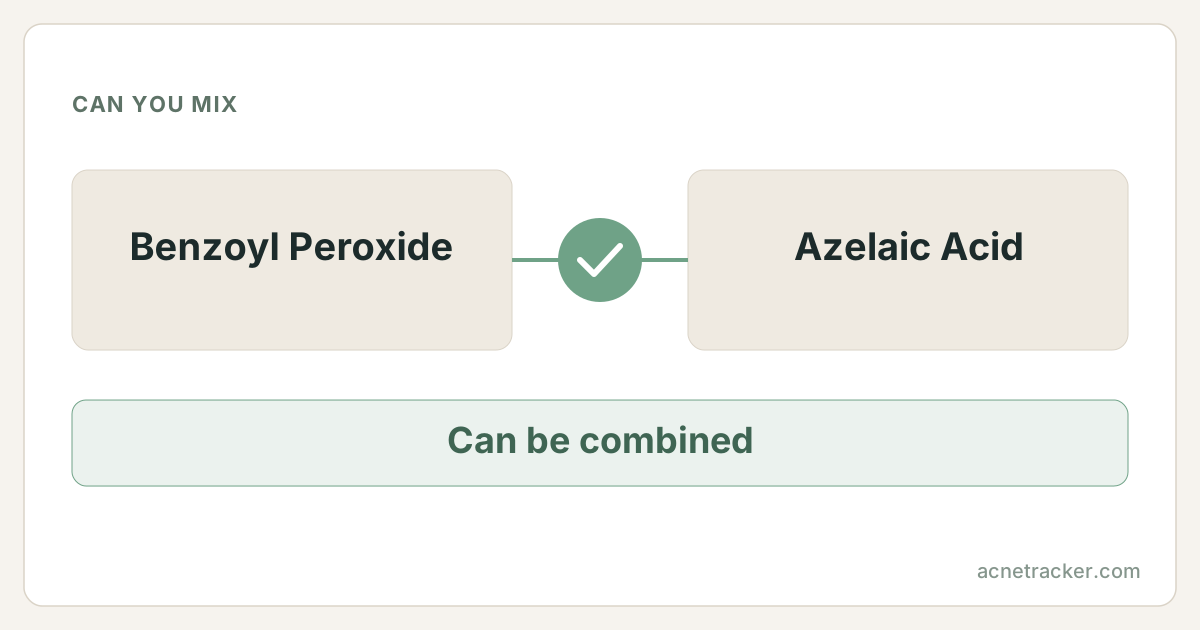
Can You Mix Benzoyl Peroxide and Azelaic Acid?
Yes. Azelaic acid is a saturated dicarboxylic acid with no oxidisable groups, so benzoyl peroxide cannot degrade it the way it degrades tretinoin. The pair is genuinely complementary: benzoyl peroxide clears the active inflamed spot, azelaic acid works on the brown and red marks left behind afterwards. Most people apply azelaic acid in the morning and benzoyl peroxide at night, or layer them if their skin is calm.
How this pairing resolves
The two ingredients, their published numbers, and where they land together.
The numbers beside each ingredient are its published comedogenic rating and effective pH window, taken from its own profile page.
Show the numbers
| Ingredients | Metric | 0–5 |
|---|---|---|
| Benzoyl Peroxide | Comedogenic rating | 0/5 |
| Benzoyl Peroxide | Effective pH | no published pH |
| Azelaic Acid | Comedogenic rating | 0/5 |
| Azelaic Acid | Effective pH | 4.0–5.0 |
Why
Chemically this is an uneventful pairing, which is exactly what you want. Azelaic acid is a nine-carbon straight-chain diacid — a fully saturated backbone with a carboxyl group at each end and nothing in between for a peroxide radical to attack. It is also naturally occurring in grain and is produced on skin by Malassezia yeasts, so it is a robust, well-behaved molecule at room temperature. Their mechanisms overlap only partly. Benzoyl peroxide decomposes on skin into benzoic acid and oxygen radicals that kill Cutibacterium acnes inside the follicle. Azelaic acid does three different things: it is mildly comedolytic, it is anti-inflammatory, and it is a competitive tyrosinase inhibitor, meaning it slows the pigment production that turns a healed pimple into a stubborn brown mark. That last property is why the pair is popular in medium and deeper skin tones, where post-inflammatory hyperpigmentation often outlasts the acne itself. Azelaic acid also has published evidence in rosacea and is one of the few actives generally considered compatible with pregnancy — though pregnancy decisions belong with your clinician.
How to combine them
The simplest version: azelaic acid in the morning under sunscreen, benzoyl peroxide as a spot or short-contact treatment at night. That gives you pigment control by day and bacterial control by night without stacking two textures. If you prefer one routine, apply benzoyl peroxide first to clean dry skin, wait until it is fully absorbed, then spread azelaic acid over the whole area and moisturise on top — azelaic acid creams and gels are thick, so putting them last avoids pilling. Azelaic acid frequently stings or tingles for the first ten minutes in the first fortnight; that settles. Because benzoyl peroxide handles the drying, keep azelaic acid to a 10% over-the-counter concentration when you are combining, rather than jumping straight to the 15–20% prescription strengths. Give the pigment work three to four months before you judge it — tyrosinase inhibition is slow.
Example routine
| When | Steps |
|---|---|
| Morning | Cleanser → Azelaic acid 10% → Moisturiser → SPF 30+ (protects fading marks) |
| Evening | Cleanser → Benzoyl peroxide 2.5–5% on spots → Moisturiser |
| Same-routine option | Benzoyl peroxide → absorb fully → Azelaic acid → Moisturiser |
| Sensitive skin | Azelaic acid daily, benzoyl peroxide 3 evenings a week only |
Warning signs
Frequently asked questions
Does benzoyl peroxide break down azelaic acid?
No. Azelaic acid is a saturated diacid with no double bonds or oxidisable ring for the peroxide to attack, so it stays intact. The degradation problem people have read about applies to tretinoin, not to this molecule.
Which order should I apply benzoyl peroxide and azelaic acid in?
Benzoyl peroxide first on clean dry skin, azelaic acid after it absorbs, moisturiser last. Azelaic acid formulas are thick and pill under other products, so they work best near the end of the routine.
Will this pairing fade my acne marks faster?
It targets both halves of the problem: benzoyl peroxide reduces new inflamed lesions and azelaic acid inhibits tyrosinase, the enzyme behind the brown mark. Studies on azelaic acid for hyperpigmentation run over months, not weeks.
Is azelaic acid too gentle to bother pairing with benzoyl peroxide?
They do different jobs rather than duplicate one. Benzoyl peroxide is the stronger antibacterial; azelaic acid contributes anti-inflammatory and pigment-inhibiting action that benzoyl peroxide does not have.
Can I use azelaic acid to calm the redness benzoyl peroxide causes?
Azelaic acid has published anti-inflammatory evidence in rosacea, but it is an active, not a barrier repair product. If benzoyl peroxide is leaving you raw, the answer is a plain moisturiser and less benzoyl peroxide, not another active.
Sources & further reading
There is no single study of this exact question. The guidance here is reasoned from the ingredient profiles below, each of which carries its own references:
- Benzoyl Peroxide3 refs
- Azelaic Acid3 refs
Show every reference behind this page (6)
- PubChem — Benzoyl peroxide compound summarycited by Benzoyl Peroxide
- DermNet — Benzoyl peroxidecited by Benzoyl Peroxide
- FDA — Drugs (OTC acne products)cited by Benzoyl Peroxide
- PubChem — Azelaic acid compound summarycited by Azelaic Acid
- DermNet — Azelaic acidcited by Azelaic Acid
- European Commission CosIng database — Azelaic Acidcited by Azelaic Acid
Medical disclaimer
Ingredients mentioned on this page
Find your personal acne triggers
Our free Acne Tracker lets you log breakouts, sleep, stress and diet, and shows you which factors correlate with your flare-ups.