Sweat and Friction Chest Acne (Acne Mechanica)
Chest breakouts that appear along bra bands, under sports gear or where a tight top clings are often a specific kind of acne called acne mechanica — driven by heat, sweat, pressure and friction rather than hormones alone. When fabric traps sweat against the chest and rubs repeatedly, it forces oil, dead skin and microbes into follicles, plugging and inflaming them exactly along the lines where clothing sits. Athletes, people who wear tight or synthetic tops, and anyone who stays in damp workout clothes are especially prone. The good news is that this pattern responds strongly to practical changes in fabric, fit and sweat habits, alongside a simple treatment routine.
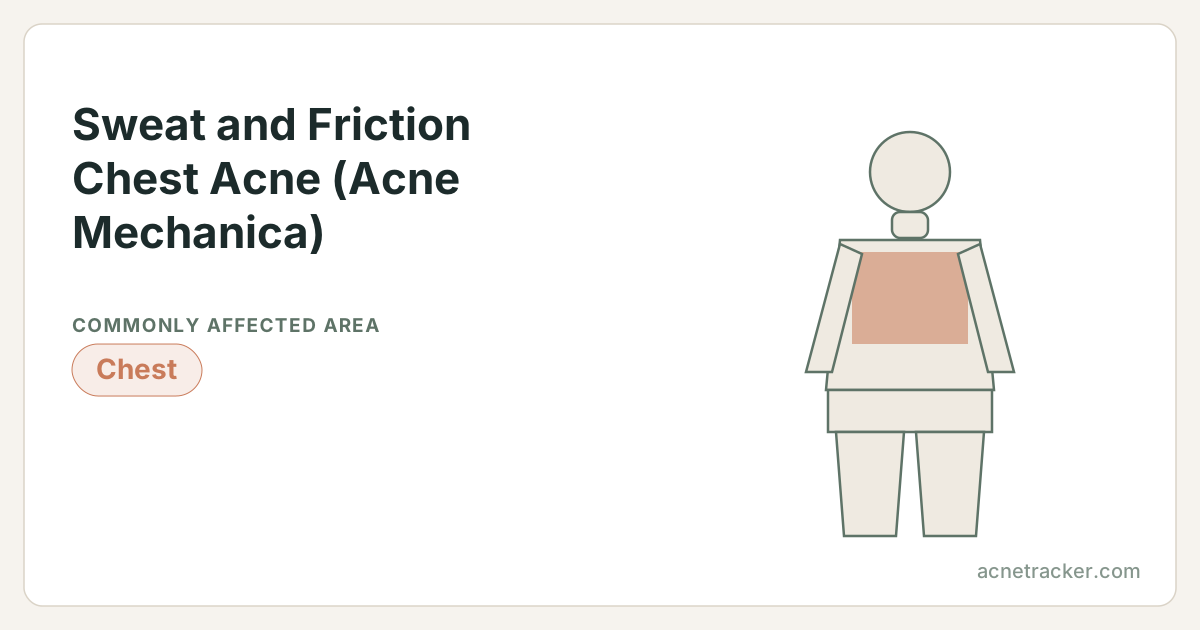
How to recognize it
Acne mechanica on the chest shows as clusters of small bumps, blackheads and inflamed spots that follow the shape of whatever presses on the skin — a bra band across the chest, the neckline of a sports top, or a heart-rate strap. The breakout maps to the pressure and friction lines rather than scattering randomly, and it worsens after sweaty activity. If the bumps are instead uniform, very itchy and spread in even sheets beyond the contact lines, fungal folliculitis may be involved as well, since sweat encourages both.
What causes it
Trapped sweat and heat
Sweat that cannot evaporate under tight or synthetic tops keeps the chest damp and warm, softening follicle openings so oil and debris plug them more easily. This is the core driver of sweat-related chest acne.
Pressure and friction
Bra bands, straps, tight collars and clinging fabric rub and press the chest repeatedly, forcing material into follicles and inflaming them along the exact contact lines — the signature of acne mechanica.
Damp clothing left on
Staying in a sweaty sports bra or shirt after exercise keeps warm, moist, microbe-rich fabric against the chest for longer, extending the conditions that drive breakouts.
Non-breathable fabrics
Synthetic fabrics that do not wick or breathe hold sweat and heat against the skin. Switching to breathable, moisture-wicking or loose cotton materials reduces the occlusion that feeds the problem.
Ingredients with evidence
| Ingredient | Role |
|---|---|
| Salicylic acid (BHA) | Clears the sweat-driven clogs of acne mechanica; a leave-on 2% liquid or spray on the chest after showering, a few evenings a week. |
| Benzoyl peroxide wash | A 4–5% wash used after workouts reduces bacteria on the sweaty chest; rinse well to avoid bleaching sportswear. |
| Niacinamide | Calms redness and supports the barrier on skin irritated by friction and sweat. |
| Adapalene | A retinoid that reduces how readily chest follicles clog over time; apply thinly at night. |
| Azelaic acid | Anti-inflammatory and helpful for the marks left where straps and bands rubbed the chest. |
Building the routine
The fixes are as much about habits as products. Shower promptly after sweating and cleanse the chest, using a benzoyl-peroxide wash a few times a week, then apply a leave-on salicylic-acid product on other evenings to keep sweat-clogged pores clear. Add a thin layer of adapalene at night and moisturise lightly. Around workouts, change out of damp sports bras and shirts immediately, choose breathable moisture-wicking fabrics, avoid overly tight tops where you break out, and make sure bras and straps fit without digging in. Rinse fragranced detergent well, since residue adds irritation. Consistency over eight to twelve weeks, plus the fabric and sweat changes, is what clears acne mechanica.
When to see a doctor
Frequently asked questions
Why do I break out on my chest after working out?
Exercise makes the chest hot and sweaty, and sweat trapped under a sports bra or shirt softens follicles while friction forces debris into them, causing acne mechanica. Showering promptly, changing out of damp gear and treating the area keeps it down.
Can my bra cause chest acne?
It can contribute. A bra band or straps that press and rub the chest trap sweat and force material into follicles along the contact lines. A well-fitting, breathable bra, washed regularly, and prompt changing after sweat reduce breakouts there.
What fabrics are best if I get sweat-related chest acne?
Breathable, moisture-wicking fabrics and loose cotton let the chest dry and reduce trapped heat and sweat. Tight, non-breathable synthetics hold moisture against the skin and tend to make acne mechanica worse.
How is acne mechanica different from ordinary acne?
Acne mechanica is triggered specifically by heat, sweat, pressure and friction, so it maps to where clothing presses rather than scattering randomly. It responds strongly to changes in fabric, fit and sweat habits alongside standard treatment.
Sources & further reading
What this page cites about the condition itself:
There is no single study of this exact question. The guidance here is reasoned from the ingredient profiles below, each of which carries its own references:
- Salicylic Acid2 refs
- Benzoyl Peroxide3 refs
- Niacinamide2 refs
- Adapalene3 refs
- Azelaic Acid3 refs
Show every reference behind this page (10)
- Salicylic acid as a peeling agent: a comprehensive review (PubMed)cited by Salicylic Acid
- FDA OTC monograph — acne drug products (salicylic acid 0.5–2%)cited by Salicylic Acid, Benzoyl Peroxide, Adapalene
- PubChem — Benzoyl peroxide compound summarycited by Benzoyl Peroxide
- DermNet — Benzoyl peroxidecited by Benzoyl Peroxide
- Niacinamide: mechanisms of action and its topical use in dermatology (PubMed)cited by Niacinamide
- European Commission CosIng database — Niacinamidecited by Niacinamide, Azelaic Acid
- PubChem — Adapalene compound summarycited by Adapalene
- DermNet — Adapalenecited by Adapalene
- PubChem — Azelaic acid compound summarycited by Azelaic Acid
- DermNet — Azelaic acidcited by Azelaic Acid
Medical disclaimer
Ingredients mentioned on this page
Find your personal acne triggers
Our free Acne Tracker lets you log breakouts, sleep, stress and diet, and shows you which factors correlate with your flare-ups.