Fungal Acne on the Cheeks
Fungal acne is not really acne at all: it is folliculitis driven by an overgrowth of Malassezia yeast that normally lives on everyone's skin. On the cheeks it typically appears as a spread of small, uniform, itchy bumps rather than the varied mix of blackheads and cysts of true acne. It thrives in warmth, humidity and trapped sweat, so it often follows workouts, hot weather, heavy occlusive creams or a course of antibiotics. The reason it matters to name it correctly is that standard acne treatments do little for it, and some oily products actively feed the yeast, so a cheek rash that ignores your usual acne routine is a strong clue to look at fungal causes.
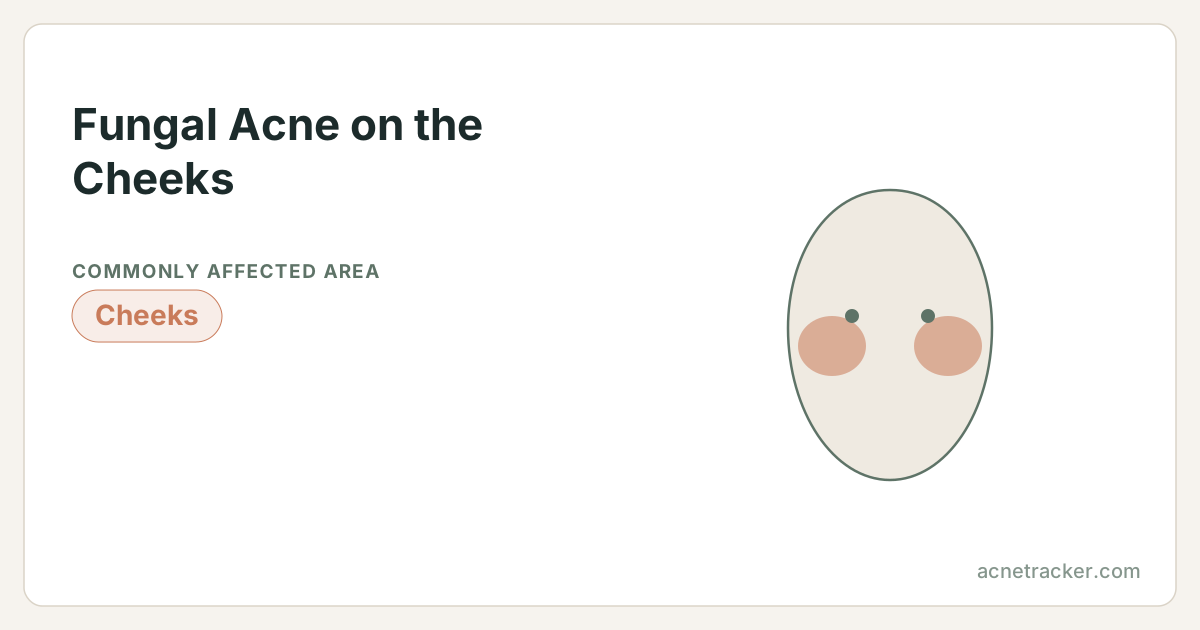
How to recognize it
Fungal folliculitis on the cheeks shows as clusters of small, same-sized red or skin-toned bumps, often with a tiny central hair, spread evenly across the mid and outer cheek. The standout feature is itch, which true acne rarely causes. There are no blackheads or whiteheads mixed in, and the bumps look monotonous rather than varied. It frequently appears alongside similar bumps on the forehead, chest or back. If instead you see a range of lesion types, comedones and the odd deep cyst, ordinary acne is more likely and needs a different approach.
What causes it
Malassezia overgrowth
The yeast that causes it feeds on skin oils. When conditions let it multiply inside follicles, the follicle becomes inflamed and itchy, producing the uniform bumps that define the condition on the cheeks.
Heat, sweat and occlusion
Warm, damp, covered skin is ideal for yeast. Sweaty workouts, hot climates, sitting in gym clothes and heavy occlusive creams on the cheeks all create the environment it prefers.
Antibiotics
Oral or topical antibiotics knock back bacteria but not yeast, sometimes letting Malassezia flourish unopposed. Fungal folliculitis appearing after an antibiotic course for acne is a common and telling pattern.
Oil-rich products
Many facial oils, esters and fatty ingredients feed Malassezia. Rich creams layered on the cheeks can worsen it, which is why product choice matters more here than with ordinary acne.
Ingredients with evidence
| Ingredient | Role |
|---|---|
| Ketoconazole | An antifungal, usually in a wash left on for a few minutes then rinsed, that directly targets the Malassezia yeast behind the bumps. A common first step. |
| Zinc pyrithione | Found in antifungal cleansers; reduces yeast on the skin surface and is gentle enough for regular use on the cheeks as a wash. |
| Selenium sulfide | Another anti-yeast wash ingredient, applied briefly and rinsed off, useful when bumps extend from the cheeks onto the neck or chest. |
| Niacinamide | A supportive, non-feeding active that calms redness and supports the barrier without providing oils the yeast can use. |
Building the routine
Treat the environment as much as the bumps. Use an antifungal wash containing ketoconazole or zinc pyrithione as a short-contact mask on the cheeks a few times a week, lathering, leaving it on for a couple of minutes, then rinsing. Switch to a lightweight, fungal-safe moisturizer and cut out heavy oils and rich creams while you settle it. Shower promptly after sweating, change out of damp clothing, and avoid re-wearing sweaty hats or scarves against the cheeks. Because fungal folliculitis tends to recur, an occasional maintenance wash even after it clears helps keep it away. If it does not budge within a few weeks, that is the signal to get it confirmed rather than guess.
When to see a doctor
Frequently asked questions
How do I know if my cheek bumps are fungal?
The strongest clues are uniformity and itch: many same-sized bumps spread evenly across the cheek, itchy, with no blackheads or whiteheads mixed in, and often unresponsive to normal acne products. Matching bumps on the chest or back make a fungal cause more likely.
Why did fungal acne appear after antibiotics?
Antibiotics suppress bacteria but not yeast, so Malassezia can multiply unchecked afterwards. Developing itchy, uniform cheek bumps during or after an antibiotic course for acne is a classic pattern and points toward an antifungal approach.
Can my moisturizer make fungal acne worse?
Yes. Many oils, esters and fatty ingredients feed Malassezia, so rich creams on the cheeks can aggravate it. Switching to a lightweight, fungal-safe moisturizer while you treat the bumps is an important part of clearing them.
Does fungal acne on the cheeks come back?
Often, because the yeast is a normal skin resident and thrives whenever heat and sweat return. Many people use an antifungal wash occasionally as maintenance, shower promptly after exercise, and keep products light to reduce how often it flares.
Sources & further reading
What this page cites about the condition itself:
There is no single study of this exact question. The guidance here is reasoned from the ingredient profiles below, each of which carries its own references:
- Niacinamide2 refs
Show every reference behind this page (2)
- Niacinamide: mechanisms of action and its topical use in dermatology (PubMed)cited by Niacinamide
- European Commission CosIng database — Niacinamidecited by Niacinamide
Medical disclaimer
Ingredients mentioned on this page
Find your personal acne triggers
Our free Acne Tracker lets you log breakouts, sleep, stress and diet, and shows you which factors correlate with your flare-ups.