Comedonal Acne on the Cheeks
Comedonal acne is the non-inflamed kind: a mix of blackheads and whiteheads, plus the rough, bumpy texture that comes from countless small plugged follicles, with little of the redness and pain of inflammatory spots. On the cheeks it often reads as an uneven, congested surface rather than obvious pimples, most visible in raking light. The cheeks collect it from a combination of oil, product build-up and the many things that touch them, from makeup to pillows. Because the problem is trapped oil and dead cells rather than infection, the solution is steady exfoliation and prevention, and it responds far better to the right actives than to any scrub or drying spot treatment.
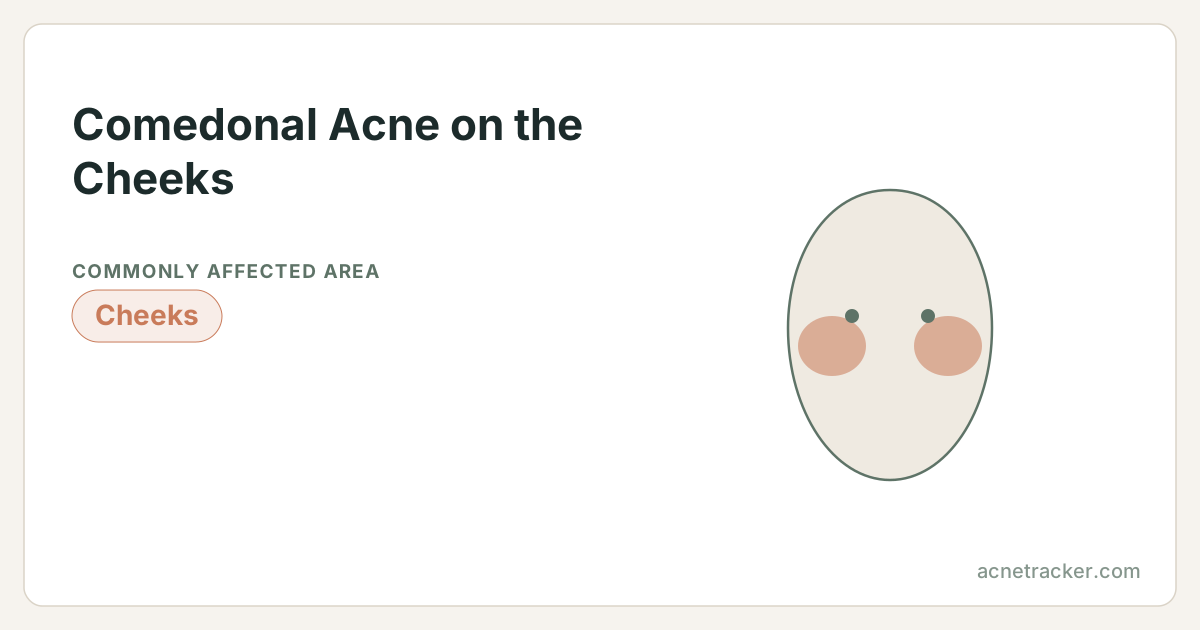
How to recognize it
Comedonal cheeks look and feel uneven: scattered blackheads with dark open tops, closed comedones as small flesh-coloured bumps, and an overall sandpapery texture across the mid and outer cheek. The lesions are not red, sore or pus-filled, which sets comedonal acne apart from papules and pustules. You often feel it more than you see it head-on, with the texture standing out in side lighting. If bumps become inflamed and tender, the acne has shifted toward the inflammatory type, and if they are uniform and itchy, a fungal cause is worth ruling out instead.
What causes it
Slow cell turnover
When dead cells lining the follicle shed too slowly, they bind with oil into plugs that stay trapped. This retention, not surface grime, is what creates the widespread congestion across the cheek.
Excess and thickened oil
Higher oil output, driven by genetics, hormones and climate, gives the plugs more raw material. Oilier cheeks tend to build comedones faster, especially over the fuller mid-cheek beside the nose.
Comedogenic products and makeup
Rich creams, some oils and heavy or long-wear makeup sit on the cheeks and can block follicles. On this zone, choosing lighter non-comedogenic formulas makes a clear difference to congestion.
Occlusion from daily contact
Masks, phones, hands and pillowcases press against the cheeks, trapping oil and warmth that soften follicle openings and encourage plugs to form under the covered skin.
Ingredients with evidence
| Ingredient | Role |
|---|---|
| Salicylic acid (BHA) | Oil-soluble, it enters the follicle and dissolves the plugs behind both blackheads and closed comedones. A 2% leave-on across the cheeks a few evenings weekly is the mainstay. |
| Adapalene / retinoids | Normalizes shedding so new comedones stop forming; the core long-term treatment for chronically congested cheeks. Expect 8 to 12 weeks. |
| Mandelic acid (AHA) | A gentle acid that refines surface texture with less irritation, useful for sensitive cheeks that cannot tolerate stronger exfoliants. |
| Azelaic acid | Smooths texture and fades any marks, and is well tolerated on reactive skin as a daily supporting active. |
| Niacinamide | Lowers oil output and supports the barrier so the exfoliants above stay comfortable over time. |
Building the routine
Wash gently twice a day and skip scrubs, which irritate without reaching the plugs. In the evening, use salicylic acid across the cheeks two to three nights a week, then add a retinoid on alternate nights once your skin is used to it, building up slowly to limit flaking. Follow every active with a light, non-comedogenic moisturizer and never skip morning SPF. Reduce heavy creams and long-wear makeup on the cheeks while you clear them, cleanse thoroughly to remove all product, and keep pillowcases and phones clean. Give the routine a full eight weeks before judging it; comedonal texture improves gradually, and consistency beats intensity every time.
When to see a doctor
Frequently asked questions
What is comedonal acne on the cheeks?
It is the non-inflamed form of acne: blackheads, whiteheads and a rough, bumpy texture from many small plugged follicles, with little redness or pain. On the cheeks it usually reads as an uneven, congested surface rather than obvious pimples.
How is comedonal acne different from regular pimples?
Comedonal acne is made of plugged follicles without inflammation, so it is not red or sore. Regular pimples, meaning papules and pustules, are inflamed and tender. The two often coexist, but comedonal acne is treated mainly with exfoliation and prevention.
Will exfoliating scrubs clear my congested cheeks?
No. Physical scrubs irritate the surface without dissolving the plugs inside the follicles, and can worsen texture by inflaming the skin. Chemical exfoliation with salicylic acid reaches into the pore, which is where the congestion actually sits.
How long until comedonal cheek acne clears?
With consistent salicylic acid and a retinoid, expect gradual improvement over eight to twelve weeks, and longer for full results. Comedonal acne is managed with ongoing prevention, so keeping up a maintenance routine stops the congestion returning.
Sources & further reading
What this page cites about the condition itself:
There is no single study of this exact question. The guidance here is reasoned from the ingredient profiles below, each of which carries its own references:
- Salicylic Acid2 refs
- Adapalene3 refs
- Mandelic Acid2 refs
- Azelaic Acid3 refs
- Niacinamide2 refs
Show every reference behind this page (10)
- Salicylic acid as a peeling agent: a comprehensive review (PubMed)cited by Salicylic Acid
- FDA OTC monograph — acne drug products (salicylic acid 0.5–2%)cited by Salicylic Acid, Adapalene
- PubChem — Adapalene compound summarycited by Adapalene
- DermNet — Adapalenecited by Adapalene
- Mandelic acid — PubChem compound summarycited by Mandelic Acid
- DermNet — Alpha hydroxy acidscited by Mandelic Acid
- PubChem — Azelaic acid compound summarycited by Azelaic Acid
- DermNet — Azelaic acidcited by Azelaic Acid
- European Commission CosIng database — Azelaic Acidcited by Azelaic Acid, Niacinamide
- Niacinamide: mechanisms of action and its topical use in dermatology (PubMed)cited by Niacinamide
Medical disclaimer
Ingredients mentioned on this page
Find your personal acne triggers
Our free Acne Tracker lets you log breakouts, sleep, stress and diet, and shows you which factors correlate with your flare-ups.