Prickly Pear Seed Oil: Comedogenic Rating & Ingredient Analysis
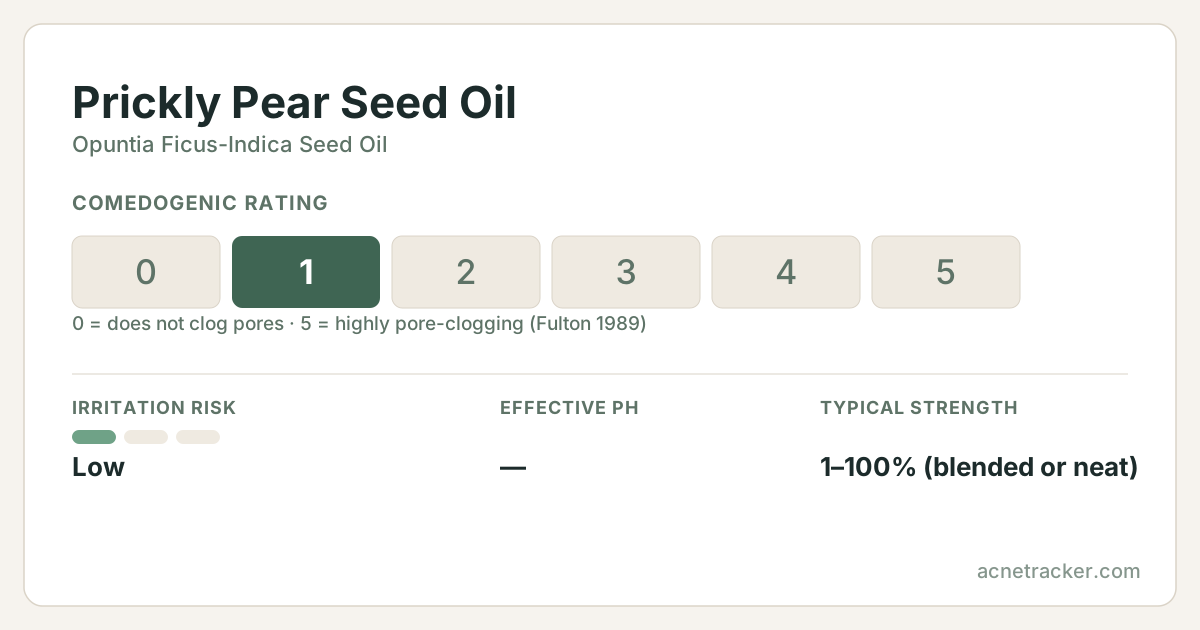
Prickly pear seed oil, sometimes called Barbary fig or cactus seed oil, is one of the most expensive plant oils in skincare, because it takes an enormous quantity of seeds hand-extracted from the cactus fruit to press a single small bottle. That rarity has given it a luxury reputation, but its appeal is genuine: it is light, high in linoleic acid, and unusually rich in vitamin E. It suits a wide range of skin types, including sensitive and mildly congestion-prone skin, and it absorbs quickly with a light, non-greasy finish.
Quick facts
- Comedogenic rating
- our estimate — not measured
- Irritation risk
- Low
- Effective pH
- —
- Typical strength
- 1–100% (blended or neat)
- Pregnancy
- Considered safe
- Suits skin types
- drynormalcombinationmaturesensitive
Where this number comes from
No one has published a comedogenic rating for this ingredient. Fulton's 1989 table tested about 250 raw materials and this was not among them, and we found no later study measuring it. The figure shown is our own reasoning from the ingredient's chemistry and how it is used — treat it as an estimate, not a measurement.
Fulton read his own scale as 0-1 not significant, 2-3 borderline, 4-5 positive. The assay is the rabbit ear at 10% dilution, which the paper itself calls extremely sensitive and not fully predictive of human skin. Ratings describe the raw ingredient; concentration and formulation change real-world behaviour.
Caution profile
The four published fields on this page, on one 0–5 scale. Further from the centre means more care is needed — never that the ingredient is worse.
Derived, not measured: pore-clogging is the published comedogenic rating; irritation maps low/moderate/high to 1/3/5; pregnancy maps safe/caution/avoid to 0/3/5; skin-type limits is how many of the seven skin types this entry does NOT list. Every input is printed in words in the quick-facts card above.
Show the numbers
| Metric | 0–5 | Published field |
|---|---|---|
| Pore-clogging | 1 | 1/5 |
| Irritation | 1 | Low |
| Skin-type limits | 1.4 | 5/7 |
| Pregnancy | 0 | Considered safe |
Working pH and typical strength
Where this ingredient is formulated to sit, and at what concentration.
Both bars come from the fields above: the pH window and the typical strength range published for this ingredient. The tinted column is healthy skin's surface pH (about 4.7–5.75).
Show the numbers
| Metric | 0–5 |
|---|---|
| Typical strength | 1–100% (blended or neat) |
What is it?
The oil is dominated by linoleic acid, with a smaller share of oleic acid, which gives it a light texture and a lower pore-clogging tendency than oleic-rich oils. Its standout feature is an exceptionally high vitamin E (tocopherol) content — among the highest of any plant oil — which contributes to its antioxidant character and helps it resist oxidation reasonably well for a polyunsaturated oil. It also carries plant sterols and other minor antioxidants. On its linoleic-dominant profile we estimate its comedogenic rating at around 1, low, making it friendlier to combination and mildly acne-prone skin than heavier oils.
Benefits
Exceptionally high in vitamin E
Prickly pear seed oil carries one of the highest natural tocopherol contents of any plant oil, giving it a strong antioxidant character that helps protect and condition the skin surface.
Light, low pore-clogging risk
Its linoleic-rich profile absorbs quickly with a dry finish and an estimated comedogenic rating of 1, so it suits combination and mildly congestion-prone skin better than richer oils.
Soothes and supports the barrier
Its fatty acids and antioxidants help a stressed barrier feel calmer and more comfortable, useful for sensitive and dry-but-reactive skin.
Brightens a dull complexion
Regular use of this antioxidant-rich oil helps a tired, lacklustre surface look smoother and fresher, part of its luxury facial-oil reputation.
How to use
Because it is costly, use it where it counts: a few drops pressed into cleansed, slightly damp skin at night, or mixed into a serum or moisturiser. Its light, quick-absorbing feel means it also works in the morning under sunscreen for most skin types. It layers well over a hydrating serum with hyaluronic-acid and pairs nicely with other oils like rosehip-oil in a blend. Store it cool and dark; its high vitamin E helps stability, but it is still a polyunsaturated oil that benefits from careful storage.
Side effects
Prickly pear seed oil is generally very well tolerated and low-irritation, which is part of why it suits sensitive skin. The main practical downside is cost, and the fact that its rarity makes it a target for adulteration, so buy from reputable sellers. As with any oil, rare individual sensitivity is possible, so patch test if your skin is highly reactive.
Who should avoid it
Very few people need to avoid it; it is one of the more universally agreeable facial oils. Those on a tight budget may prefer a cheaper linoleic-rich oil like hemp-seed-oil with a similar skin-friendly profile. Cactus seed is an unfamiliar botanical for most skins to meet, so give a new bottle a few days on the inner arm before it goes anywhere near your face. The oil itself is regarded as fine to use while pregnant; if you want certainty, it is usually the other ingredients in an expensive blend that are worth reading through with your doctor.
Pairs well with
Avoid combining with
Frequently asked questions
Why is prickly pear seed oil so expensive?
It takes a very large amount of cactus fruit and labour-intensive hand extraction to obtain a tiny quantity of seeds, and those seeds yield only a little oil. The low yield and high effort make it one of the priciest cosmetic oils.
Is prickly pear oil good for acne-prone skin?
It is relatively friendly: its linoleic-rich profile gives an estimated comedogenic rating of 1, and its light finish suits combination and mildly congestion-prone skin. As always, apply thinly and watch how your skin responds.
What makes prickly pear oil good for anti-ageing marketing?
Its exceptionally high vitamin E content and antioxidant character are the basis of those claims. It genuinely helps protect and condition the skin surface, though like any oil it cannot reverse deeper structural signs of ageing.
How do I avoid buying fake prickly pear oil?
Because it is costly, cheaper adulterated versions exist. Buy from reputable brands, check the INCI name Opuntia Ficus-Indica Seed Oil, and be wary of suspiciously low prices for large volumes.
Sources & further reading
Medical disclaimer
Find your personal acne triggers
Our free Acne Tracker lets you log breakouts, sleep, stress and diet, and shows you which factors correlate with your flare-ups.