Horse Chestnut Extract: Comedogenic Rating & Ingredient Analysis
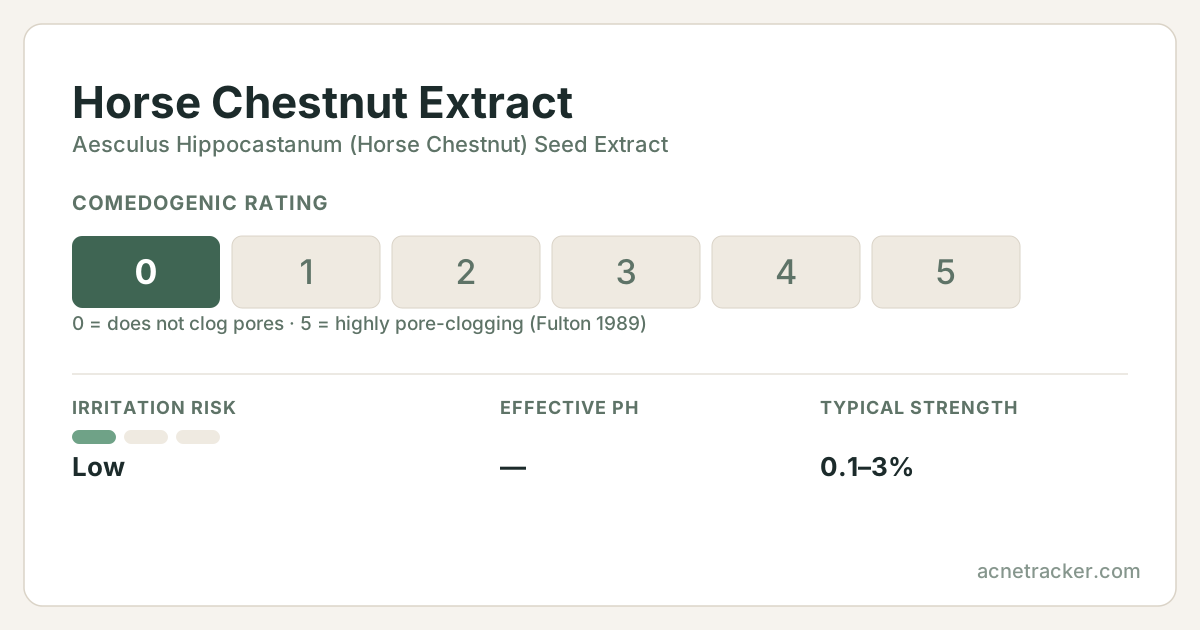
Horse chestnut extract comes from the shiny brown seeds of the Aesculus hippocastanum tree, and it has a well-earned reputation in traditional herbalism for supporting tired, heavy legs and puffy skin. In cosmetics, that same background makes it a popular addition to eye creams, firming serums and products marketed for puffiness, dark circles and stressed skin. Its active compound, aescin, is a soothing, toning agent that has been studied for its effect on small vessels and swelling. On the face, horse chestnut is a gentle, non-comedogenic botanical used for its soothing and antioxidant character rather than as a treatment for acne.
Quick facts
- Comedogenic rating
- our estimate — not measured
- Irritation risk
- Low
- Effective pH
- —
- Typical strength
- 0.1–3%
- Pregnancy
- Ask your doctor
- Suits skin types
- normalcombinationsensitivemature
Where this number comes from
No one has published a comedogenic rating for this ingredient. Fulton's 1989 table tested about 250 raw materials and this was not among them, and we found no later study measuring it. The figure shown is our own reasoning from the ingredient's chemistry and how it is used — treat it as an estimate, not a measurement.
Fulton read his own scale as 0-1 not significant, 2-3 borderline, 4-5 positive. The assay is the rabbit ear at 10% dilution, which the paper itself calls extremely sensitive and not fully predictive of human skin. Ratings describe the raw ingredient; concentration and formulation change real-world behaviour.
Caution profile
The four published fields on this page, on one 0–5 scale. Further from the centre means more care is needed — never that the ingredient is worse.
Derived, not measured: pore-clogging is the published comedogenic rating; irritation maps low/moderate/high to 1/3/5; pregnancy maps safe/caution/avoid to 0/3/5; skin-type limits is how many of the seven skin types this entry does NOT list. Every input is printed in words in the quick-facts card above.
Show the numbers
| Metric | 0–5 | Published field |
|---|---|---|
| Pore-clogging | 0 | 0/5 |
| Irritation | 1 | Low |
| Skin-type limits | 2.1 | 4/7 |
| Pregnancy | 3 | Ask your doctor |
Working pH and typical strength
Where this ingredient is formulated to sit, and at what concentration.
Both bars come from the fields above: the pH window and the typical strength range published for this ingredient. The tinted column is healthy skin's surface pH (about 4.7–5.75).
Show the numbers
| Metric | 0–5 |
|---|---|
| Typical strength | 0.1–3% |
What is it?
The star compound in horse chestnut seed extract is aescin (also spelled escin), a saponin with documented anti-inflammatory and vein-toning activity, plus flavonoids and other antioxidants. Aescin has a real evidence base in oral and topical use for the discomfort and swelling associated with poor leg circulation, which is why the extract found its way into cosmetics for puffiness and under-eye concerns. On facial skin the effects are gentler and more about soothing and toning the look of the skin. As a water- or glycol-based seed extract, it is non-comedogenic with a rating of 0 and a low irritation risk. Note that raw horse chestnut seeds are toxic if eaten, but the purified cosmetic extract is safe for topical use.
Benefits
Soothes puffiness
Aescin's toning, anti-inflammatory character is why horse chestnut is a favourite in eye creams and gels marketed for puffy, tired-looking under-eye skin, often alongside caffeine.
Tones the look of skin
Its mildly astringent quality helps skin feel firmer and more refreshed, supporting products designed to give a smoother, more awake appearance.
Antioxidant flavonoids
Horse chestnut supplies flavonoids that help defend against everyday oxidative stress, complementing dedicated antioxidants such as vitamin-c.
Gentle and non-comedogenic
With a rating of 0 and low irritation risk, it suits sensitive and mature skin and layers easily with soothing actives like niacinamide.
How to use
Horse chestnut extract is most often used in eye creams, gels and firming serums; apply gently around the eye area or on the face after cleansing, morning or night. It pairs especially well with caffeine in de-puffing eye products and with antioxidants like vitamin-c. Aescin is a saponin, not an exfoliant or a light-activated compound, so there is no tolerance to build and no reason to change your sun habits. Horse chestnut has no notable contact-allergy signal in the sources we cite, so a patch test is ordinary caution rather than a pointed warning — worth doing near the eye area simply because any product is felt more keenly there. Use only cosmetic products with the purified extract — never attempt to make your own preparation from raw seeds, which are toxic if ingested.
Side effects
In cosmetic use, horse chestnut seed extract is generally well tolerated, with irritation and allergy being uncommon. If you do try it, the eye area is where most people apply it first, so start with a small amount and give it a few days before using it more widely. The important distinction is that raw or improperly processed horse chestnut is toxic if eaten, but the standardised extract used in skincare is purified and applied topically at low levels, which does not carry that risk. Any stinging from a horse chestnut product usually traces to other formula ingredients.
Who should avoid it
Most people can use topical horse chestnut extract. Because oral horse chestnut preparations carry cautions during pregnancy and can interact with blood-thinning medication, and cosmetic safety data in pregnancy are limited, we mark topical use as caution during pregnancy — check with your doctor, though absorption from cosmetics is low. People with a known allergy to horse chestnut should avoid it.
Pairs well with
Frequently asked questions
Does horse chestnut extract clog pores?
No. Water- or glycol-based horse chestnut seed extract has a comedogenic rating of 0 and does not clog pores, so it is fine for combination and sensitive skin.
Is horse chestnut good for under-eye puffiness?
It is a popular choice for puffy, tired under-eye skin because its aescin content has soothing, toning properties. It works especially well combined with caffeine in eye products.
Is horse chestnut extract safe, given the seeds are toxic?
Yes, in cosmetics. Raw horse chestnut seeds are toxic if eaten, but the purified extract used in skincare is processed and applied topically at low levels, which is considered safe.
Can horse chestnut remove dark circles?
It can help the under-eye area look less puffy and more toned, but it cannot erase pigment-based or structural dark circles. Manage expectations and pair it with sun protection and rest.
Where this ingredient shows up here
Counted across this database, not the web — these are the pages on this site that reason about this ingredient.
Buying guides 1
Sources & further reading
Medical disclaimer
Find your personal acne triggers
Our free Acne Tracker lets you log breakouts, sleep, stress and diet, and shows you which factors correlate with your flare-ups.