Grape Seed Extract: Comedogenic Rating & Ingredient Analysis
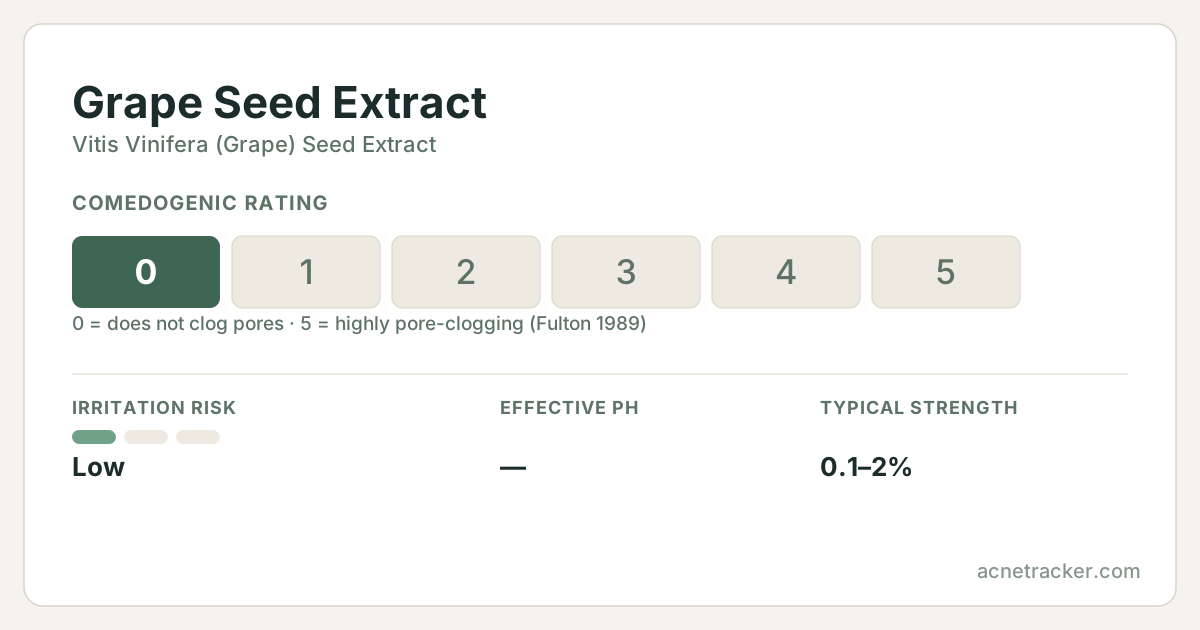
Grape seed extract is a byproduct of the wine and grape industry turned skincare star, prized for a group of antioxidants that punch above their weight. It is important not to confuse it with grapeseed oil: the extract is a water- or glycol-based, non-oily preparation of the seed's polyphenols, whereas the oil is a lightweight facial oil. In cosmetics, grape seed extract appears in antioxidant serums, protective moisturisers and anti-ageing formulas. It is valued mainly for defending skin against environmental stress, with a light conditioning and mildly toning character. Gentle and non-comedogenic, it slots easily into routines aimed at protection and radiance.
Quick facts
- Comedogenic rating
- our estimate — not measured
- Irritation risk
- Low
- Effective pH
- —
- Typical strength
- 0.1–2%
- Pregnancy
- Considered safe
- Suits skin types
- normaloilycombinationmaturesensitive
Where this number comes from
No one has published a comedogenic rating for this ingredient. Fulton's 1989 table tested about 250 raw materials and this was not among them, and we found no later study measuring it. The figure shown is our own reasoning from the ingredient's chemistry and how it is used — treat it as an estimate, not a measurement.
Fulton read his own scale as 0-1 not significant, 2-3 borderline, 4-5 positive. The assay is the rabbit ear at 10% dilution, which the paper itself calls extremely sensitive and not fully predictive of human skin. Ratings describe the raw ingredient; concentration and formulation change real-world behaviour.
Caution profile
The four published fields on this page, on one 0–5 scale. Further from the centre means more care is needed — never that the ingredient is worse.
Derived, not measured: pore-clogging is the published comedogenic rating; irritation maps low/moderate/high to 1/3/5; pregnancy maps safe/caution/avoid to 0/3/5; skin-type limits is how many of the seven skin types this entry does NOT list. Every input is printed in words in the quick-facts card above.
Show the numbers
| Metric | 0–5 | Published field |
|---|---|---|
| Pore-clogging | 0 | 0/5 |
| Irritation | 1 | Low |
| Skin-type limits | 1.4 | 5/7 |
| Pregnancy | 0 | Considered safe |
Working pH and typical strength
Where this ingredient is formulated to sit, and at what concentration.
Both bars come from the fields above: the pH window and the typical strength range published for this ingredient. The tinted column is healthy skin's surface pH (about 4.7–5.75).
Show the numbers
| Metric | 0–5 |
|---|---|
| Typical strength | 0.1–2% |
What is it?
Grape seeds (Vitis vinifera) are rich in proanthocyanidins, also called oligomeric proanthocyanidins or OPCs, a class of polyphenol antioxidants that show strong free-radical-scavenging activity in laboratory research. These are the same family of compounds behind red wine's antioxidant reputation, and grape seed extract concentrates them in a topical form. The extract also has a mildly astringent, conditioning quality on the skin surface. It pairs conceptually with resveratrol, another grape-derived antioxidant, and with vitamins C and E in classic antioxidant blends. As a water-based extract, grape seed extract has a comedogenic rating of 0 and low irritation risk — quite different from the comedogenic profile you would assess for a facial oil.
Benefits
Proanthocyanidin antioxidants
Grape seed's OPCs are strong free-radical scavengers in laboratory tests, and in formulas they are used as antioxidants alongside vitamin-c and vitamin-e; direct clinical proof of UV or pollution protection in skin is limited.
Supports firmer-looking skin
By protecting against oxidative stress that degrades the skin's support structures, grape seed extract features widely in anti-ageing and protective formulas.
Mildly toning for oily skin
Its lightly astringent character makes it a comfortable antioxidant for oily and combination skin that dislikes richer, oil-based options.
Gentle and non-comedogenic
With a rating of 0 and low irritation risk, the water-based extract suits sensitive and mature skin and layers easily with resveratrol and other actives.
How to use
Grape seed extract works well in a morning antioxidant serum or moisturiser under sunscreen, reinforcing your UV defence, and it is equally fine at night. It pairs naturally with vitamin-c, vitamin-e and resveratrol in antioxidant blends. OPCs need no tolerance-building and carry no photosensitivity risk, so a morning application is unproblematic. Grape seed's allergy signal is essentially limited to people who already know they react to grapes; for everyone else a patch test is optional. Just remember the distinction from grapeseed oil: if you want a lightweight facial oil that is a separate product, whereas this water-based extract is about polyphenol antioxidants rather than lipids.
Side effects
Topical grape seed extract is generally very well tolerated, with irritation being uncommon. Very reactive skin should still patch test, though with grape seed that is routine caution rather than a response to anything the sources flag in the extract itself. It does not increase sun sensitivity. Any stinging attributed to a grape seed serum is more likely due to other ingredients such as added acids, fragrance or alcohol in the same formula. People with a specific grape allergy should be cautious, though topical reactions are rare.
Who should avoid it
Almost everyone can use topical grape seed extract, including oily, sensitive and mature skin. People with a known grape allergy should patch test or avoid it. Topical use during pregnancy is unrestricted — the seed extract carries none of the alcohol that gives red wine its own separate set of cautions. There are no special cautions beyond the usual advice to introduce one new product at a time and to keep using daily sunscreen with your antioxidants.
Pairs well with
Frequently asked questions
Does grape seed extract clog pores?
No. The water-based grape seed extract has a comedogenic rating of 0 and does not clog pores. Do not confuse it with grapeseed oil, a separate lightweight facial oil with its own profile.
What is the difference between grape seed extract and grapeseed oil?
Grape seed extract is a non-oily, water- or glycol-based preparation of the seed's polyphenol antioxidants, while grapeseed oil is a lightweight lipid oil. They serve different purposes in a formula.
What does grape seed extract do for skin?
It provides antioxidant protection from proanthocyanidins (OPCs), helping defend skin against free radicals, with a light toning and conditioning effect suited to most skin types.
Can grape seed extract help with ageing skin?
It is a supportive antioxidant that helps protect against the oxidative stress involved in visible ageing, so it complements retinoids and vitamin C, but it is a protective ingredient rather than a resurfacing treatment.
Sources & further reading
Medical disclaimer
Find your personal acne triggers
Our free Acne Tracker lets you log breakouts, sleep, stress and diet, and shows you which factors correlate with your flare-ups.