Carnosine: Comedogenic Rating & Ingredient Analysis
Carnosine is a small peptide with a big reputation in anti-aging science, thanks to a specific talent: it helps defend against glycation, one of the lesser-known drivers of skin aging. Glycation is a process where sugar molecules bind to proteins like collagen and elastin, stiffening them and producing the yellowed, less supple skin associated with age. Carnosine, a naturally occurring dipeptide found in muscle and other tissues, has antioxidant and anti-glycation properties that make it a smart addition to protective, anti-aging skincare. It is gentle and well tolerated, positioning it as a supportive ingredient for keeping skin's structural proteins healthier for longer.
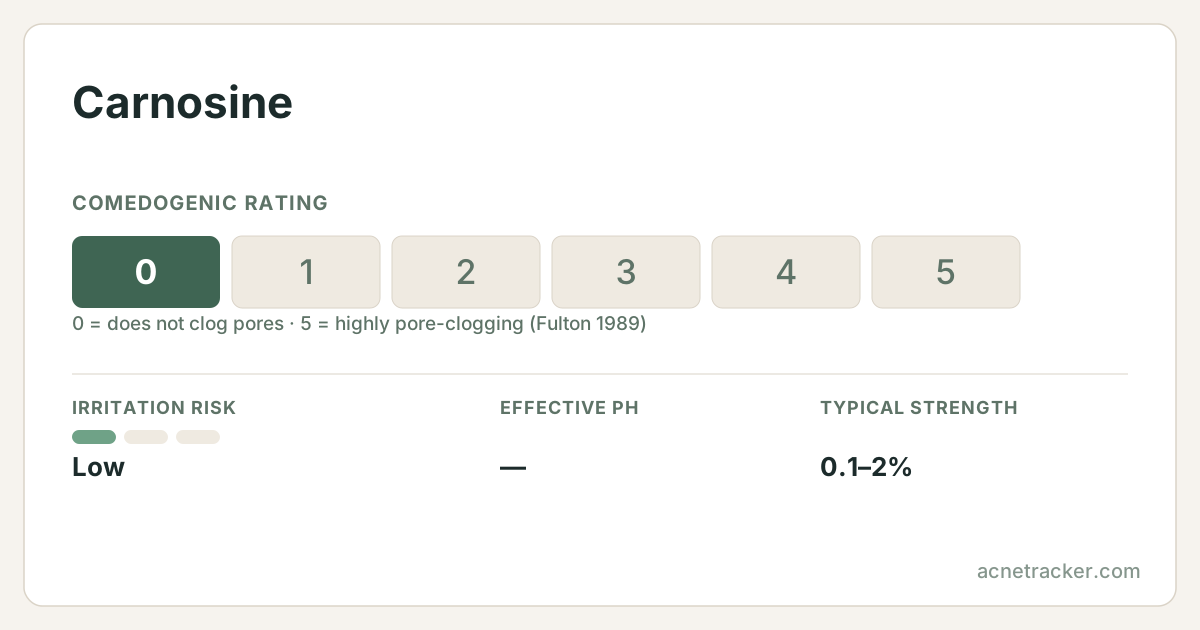
Quick facts
- Comedogenic rating
- our estimate — not measured
- Irritation risk
- Low
- Effective pH
- —
- Typical strength
- 0.1–2%
- Pregnancy
- Considered safe
- Suits skin types
- normalcombinationmaturedrysensitive
Where this number comes from
No one has published a comedogenic rating for this ingredient. Fulton's 1989 table tested about 250 raw materials and this was not among them, and we found no later study measuring it. The figure shown is our own reasoning from the ingredient's chemistry and how it is used — treat it as an estimate, not a measurement.
Fulton read his own scale as 0-1 not significant, 2-3 borderline, 4-5 positive. The assay is the rabbit ear at 10% dilution, which the paper itself calls extremely sensitive and not fully predictive of human skin. Ratings describe the raw ingredient; concentration and formulation change real-world behaviour.
Caution profile
The four published fields on this page, on one 0–5 scale. Further from the centre means more care is needed — never that the ingredient is worse.
Derived, not measured: pore-clogging is the published comedogenic rating; irritation maps low/moderate/high to 1/3/5; pregnancy maps safe/caution/avoid to 0/3/5; skin-type limits is how many of the seven skin types this entry does NOT list. Every input is printed in words in the quick-facts card above.
Show the numbers
| Metric | 0–5 | Published field |
|---|---|---|
| Pore-clogging | 0 | 0/5 |
| Irritation | 1 | Low |
| Skin-type limits | 1.4 | 5/7 |
| Pregnancy | 0 | Considered safe |
Working pH and typical strength
Where this ingredient is formulated to sit, and at what concentration.
Both bars come from the fields above: the pH window and the typical strength range published for this ingredient. The tinted column is healthy skin's surface pH (about 4.7–5.75).
Show the numbers
| Metric | 0–5 |
|---|---|
| Typical strength | 0.1–2% |
What is it?
Carnosine is a dipeptide made of two amino acids, beta-alanine and histidine, and it occurs naturally in the body, especially in muscle and brain tissue. Its standout property is the ability to interfere with glycation, the reaction in which excess sugars attach to proteins to form advanced glycation end-products (AGEs) that degrade collagen and elastin. Carnosine can help intercept this process and also acts as an antioxidant, scavenging free radicals. In skincare, these combined effects support the skin's structural resilience against two overlapping aging pathways: oxidative stress and glycation. It is water-soluble, gentle and typically used at modest concentrations as part of a broader anti-aging formula rather than as a headline active.
Benefits
Anti-glycation protection
Carnosine helps intercept glycation, the process where sugars stiffen collagen and elastin, supporting the skin's structural proteins and helping maintain suppleness over time.
Antioxidant defence
As an antioxidant, carnosine scavenges free radicals from UV and pollution, adding to the skin's protection against the oxidative stress that contributes to visible aging.
Supports firmer-looking skin
By protecting collagen and elastin from glycation and oxidation, carnosine helps support the skin's resilience, complementing other firming and anti-aging ingredients.
Gentle and conditioning
As a naturally occurring peptide, carnosine is well tolerated and skin-conditioning, fitting easily into routines for most skin types, including sensitive skin.
How to use
Use a serum or moisturiser containing carnosine once or twice daily on clean skin; it needs no gradual introduction and suits both morning and evening routines. It works well alongside antioxidants such as vitamin C and coenzyme Q10, and with barrier-supporting actives like niacinamide, as part of a protective anti-aging approach. Because carnosine targets glycation — a slow, cumulative process — think of it as long-term maintenance rather than a quick fix, and use it consistently over months. Supporting it with a healthy lifestyle and daily sunscreen makes sense, since both sun and dietary sugar influence the aging pathways carnosine helps counter.
Side effects
Carnosine is gentle and rarely causes irritation, reflecting its status as a naturally occurring peptide used at low concentrations. Adverse reactions are uncommon, and it is generally suitable even for sensitive skin. As with any product, if a reaction occurs it is more likely due to other ingredients in the formula, so patch testing a new product for a few days is a sensible precaution before regular use.
Who should avoid it
There is little reason for most people to avoid carnosine; it suits nearly all skin types, including sensitive skin. Those seeking exfoliation or immediate, dramatic changes should pair it with other actives, as carnosine works subtly and over the long term. It is considered safe to use during pregnancy and breastfeeding, though you can confirm with your doctor about your overall routine.
Pairs well with
Frequently asked questions
What is carnosine used for in skincare?
Carnosine is used mainly as an anti-glycation and antioxidant ingredient, helping protect collagen and elastin from sugar-driven and oxidative damage that contributes to skin aging.
What is glycation and why does it matter?
Glycation is when sugars bind to proteins like collagen, stiffening them and forming damaging AGEs that make skin less supple. Carnosine helps intercept this process to support firmer skin.
Is carnosine good for sensitive skin?
Yes. It is a gentle, naturally occurring peptide that is well tolerated, so it suits sensitive and reactive skin alongside most other skin types.
Can I use carnosine with vitamin C?
Yes. Carnosine pairs well with antioxidants like vitamin C and CoQ10, together supporting the skin against both oxidative stress and glycation for a broader protective effect.
Is carnosine safe in pregnancy?
Topical carnosine is generally considered safe during pregnancy and breastfeeding. If you would rather be certain, your healthcare provider can review the routine you are building around this dipeptide.
Sources & further reading
Carnosine's anti-glycation chemistry is well established in laboratory work. The skin study cited here used ORAL carnosine, not a topical application, and we found no good trial of carnosine applied to skin — so its presence in a cream is not backed by the same evidence.
- PubChem — Carnosine (CID 439224)
- European Commission CosIng database — Carnosine
- Skin beautification with oral non-hydrolized versions of carnosine and carcinine: Effective therapeutic management and cosmetic skincare solutions against oxidative glycation and free-radical production as a causal mechanism of diabetic complications and skin aging (PubMed)oral intake, not topical
Medical disclaimer
Find your personal acne triggers
Our free Acne Tracker lets you log breakouts, sleep, stress and diet, and shows you which factors correlate with your flare-ups.