Coffeeberry Extract: Comedogenic Rating & Ingredient Analysis
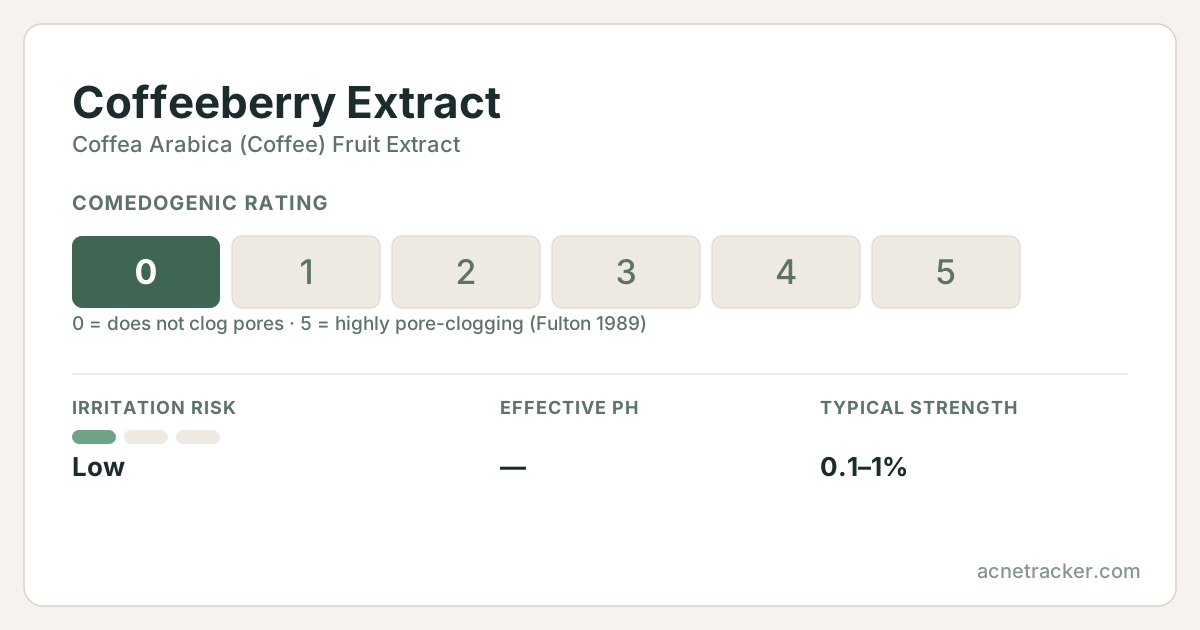
Coffeeberry extract is made from the fruit of the coffee plant, Coffea arabica — the whole berry that surrounds the beans we roast for coffee. This fruit is exceptionally rich in antioxidant compounds, and skincare has turned it into a popular anti-aging ingredient marketed for protecting skin against environmental damage and supporting a smoother, more even appearance. It carries a natural, plant-based appeal, and its high polyphenol content gives it a genuine antioxidant rationale. Coffeeberry is generally gentle, though it does naturally contain caffeine and other coffee compounds, which is worth keeping in mind for those who prefer to limit caffeine exposure.
Quick facts
- Comedogenic rating
- our estimate — not measured
- Irritation risk
- Low
- Effective pH
- —
- Typical strength
- 0.1–1%
- Pregnancy
- Ask your doctor
- Suits skin types
- normalcombinationmaturedryoily
Where this number comes from
No one has published a comedogenic rating for this ingredient. Fulton's 1989 table tested about 250 raw materials and this was not among them, and we found no later study measuring it. The figure shown is our own reasoning from the ingredient's chemistry and how it is used — treat it as an estimate, not a measurement.
Fulton read his own scale as 0-1 not significant, 2-3 borderline, 4-5 positive. The assay is the rabbit ear at 10% dilution, which the paper itself calls extremely sensitive and not fully predictive of human skin. Ratings describe the raw ingredient; concentration and formulation change real-world behaviour.
Caution profile
The four published fields on this page, on one 0–5 scale. Further from the centre means more care is needed — never that the ingredient is worse.
Derived, not measured: pore-clogging is the published comedogenic rating; irritation maps low/moderate/high to 1/3/5; pregnancy maps safe/caution/avoid to 0/3/5; skin-type limits is how many of the seven skin types this entry does NOT list. Every input is printed in words in the quick-facts card above.
Show the numbers
| Metric | 0–5 | Published field |
|---|---|---|
| Pore-clogging | 0 | 0/5 |
| Irritation | 1 | Low |
| Skin-type limits | 1.4 | 5/7 |
| Pregnancy | 3 | Ask your doctor |
Working pH and typical strength
Where this ingredient is formulated to sit, and at what concentration.
Both bars come from the fields above: the pH window and the typical strength range published for this ingredient. The tinted column is healthy skin's surface pH (about 4.7–5.75).
Show the numbers
| Metric | 0–5 |
|---|---|
| Typical strength | 0.1–1% |
What is it?
Coffeeberry extract is a botanical concentrate from the coffee fruit, prized for polyphenols such as chlorogenic acid, ferulic acid, quinic acid and condensed proanthocyanidins, along with naturally present caffeine. These polyphenols are strong antioxidants that scavenge free radicals, which is the basis for coffeeberry's anti-aging positioning. Manufacturer and some published studies have reported improvements in the look of fine lines and overall skin appearance with coffeeberry-based products, though, as with many botanicals, large independent trials are limited and results depend heavily on formulation. It is used at low concentrations as an antioxidant and skin-conditioning ingredient, and it fits comfortably into protective daytime and anti-aging routines.
Benefits
Rich in antioxidants
Coffeeberry is packed with polyphenols like chlorogenic and ferulic acids that scavenge free radicals, helping defend the skin against oxidative stress from UV and pollution.
Supports an anti-aging routine
By protecting against oxidative damage, coffeeberry is used in products aimed at softening the look of fine lines and supporting a smoother, more even complexion over time.
Environmental protection
Its antioxidant polyphenols help counter the free radicals generated by daily environmental exposure, complementing sunscreen as part of a protective routine.
Skin-conditioning botanical
Coffeeberry acts as a gentle, plant-based conditioning ingredient, adding a natural antioxidant option for those who favour botanicals in their skincare.
How to use
Use products with coffeeberry extract once or twice daily on clean skin; it is gentle and needs no adjustment period. Because its main value is antioxidant, daytime use pairs well with its protective role, always under sunscreen, though it also works at night. It combines naturally with other antioxidants like vitamin C, vitamin E and ferulic acid — the latter also present in coffee fruit — and with soothing actives such as niacinamide. As with any botanical, judge the whole formula, not just the presence of the plant, since concentration and processing determine the real benefit. Consistent use supports its protective, anti-aging effect over weeks and months.
Side effects
Coffeeberry extract is generally gentle and rarely causes irritation. As a botanical, it carries a small chance of allergy or sensitivity, particularly in people who react to plant extracts, so patch testing is wise. It naturally contains caffeine and other coffee compounds; while topical amounts are small, those who are especially caffeine-sensitive or wish to minimise exposure during pregnancy may prefer to be cautious and check the product and their overall routine with a professional.
Who should avoid it
Most people tolerate coffeeberry extract well, but those with known allergies to botanical ingredients should patch test first. Because it contains caffeine, anyone who prefers to limit caffeine — including some during pregnancy or breastfeeding — may wish to exercise caution and consult their doctor, even though topical amounts are low. Those seeking a strongly proven, high-potency antioxidant may prefer to pair it with better-studied actives.
Pairs well with
Frequently asked questions
What is coffeeberry extract used for?
Coffeeberry extract is used mainly as an antioxidant and anti-aging ingredient, helping protect the skin from environmental oxidative stress and supporting a smoother, more even appearance.
Does coffeeberry contain caffeine?
Yes. Coffeeberry is the coffee fruit and naturally contains caffeine along with antioxidant polyphenols. Topical amounts are small, but it is worth noting if you prefer to limit caffeine.
Is coffeeberry a good antioxidant?
It is rich in polyphenols like chlorogenic and ferulic acids that scavenge free radicals, giving it a solid antioxidant rationale, though independent long-term evidence is more limited.
Can I use coffeeberry with vitamin C?
Yes. Coffeeberry pairs naturally with antioxidants like vitamin C, vitamin E and ferulic acid, together strengthening the skin's defences against environmental stress.
Is coffeeberry extract safe in pregnancy?
Topical amounts are low, but because it contains caffeine, some prefer caution during pregnancy. Check the specific product and your full routine with your healthcare provider.
Sources & further reading
Medical disclaimer
Find your personal acne triggers
Our free Acne Tracker lets you log breakouts, sleep, stress and diet, and shows you which factors correlate with your flare-ups.