Bromelain: Comedogenic Rating & Ingredient Analysis
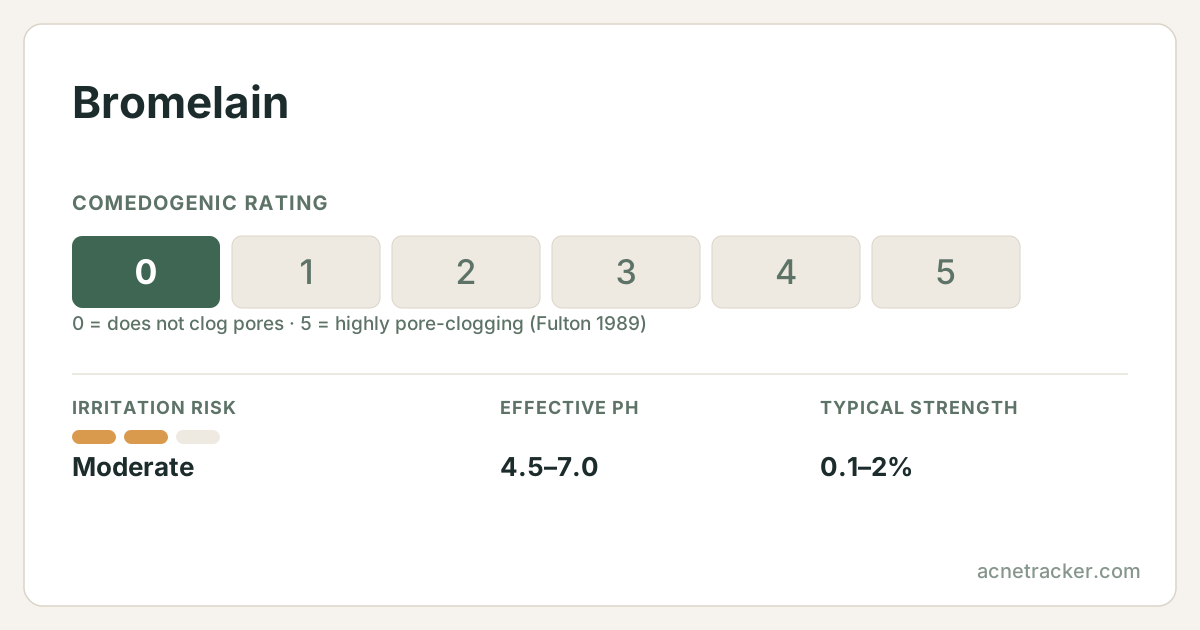
Bromelain is a proteolytic enzyme derived from the stem and fruit of the pineapple. Like papain, it is used in skincare as an enzymatic exfoliant that digests the proteins of dead surface cells rather than loosening them with acid. It is a familiar ingredient in wash-off masks and cleansers, often paired with other fruit enzymes for a rounded exfoliating effect. Bromelain has also been studied in medicine for anti-inflammatory properties, which is sometimes cited as a soothing benefit in topical use. As with any protease enzyme, sensitisation and allergy are genuine considerations.
Quick facts
- Comedogenic rating
- our estimate — not measured
- Irritation risk
- Moderate
- Effective pH
- 4.5–7.0
- Typical strength
- 0.1–2%
- Pregnancy
- Ask your doctor
- Suits skin types
- normalcombinationoilydry
Where this number comes from
No one has published a comedogenic rating for this ingredient. Fulton's 1989 table tested about 250 raw materials and this was not among them, and we found no later study measuring it. The figure shown is our own reasoning from the ingredient's chemistry and how it is used — treat it as an estimate, not a measurement.
Fulton read his own scale as 0-1 not significant, 2-3 borderline, 4-5 positive. The assay is the rabbit ear at 10% dilution, which the paper itself calls extremely sensitive and not fully predictive of human skin. Ratings describe the raw ingredient; concentration and formulation change real-world behaviour.
Caution profile
The four published fields on this page, on one 0–5 scale. Further from the centre means more care is needed — never that the ingredient is worse.
Derived, not measured: pore-clogging is the published comedogenic rating; irritation maps low/moderate/high to 1/3/5; pregnancy maps safe/caution/avoid to 0/3/5; skin-type limits is how many of the seven skin types this entry does NOT list. Every input is printed in words in the quick-facts card above.
Show the numbers
| Metric | 0–5 | Published field |
|---|---|---|
| Pore-clogging | 0 | 0/5 |
| Irritation | 3 | Moderate |
| Skin-type limits | 2.1 | 4/7 |
| Pregnancy | 3 | Ask your doctor |
Working pH and typical strength
Where this ingredient is formulated to sit, and at what concentration.
Both bars come from the fields above: the pH window and the typical strength range published for this ingredient. The tinted column is healthy skin's surface pH (about 4.7–5.75).
Show the numbers
| Metric | 0–5 |
|---|---|
| Working pH | 4.5–7.0 |
| Typical strength | 0.1–2% |
What is it?
Bromelain is actually a mixture of protein-digesting enzymes concentrated in pineapple. On the skin, these proteases break down keratin proteins in the outer layer of dead cells, helping them slough away to reveal a smoother surface. Because enzymes need particular conditions to stay active, bromelain is usually formulated in powders or anhydrous bases that activate with water at use. Its exfoliation is generally described as gentle and even. Beyond exfoliation, bromelain has documented anti-inflammatory activity in medical contexts, which is why it is sometimes promoted for calming as well as resurfacing, though topical evidence is more limited than its exfoliating role.
Benefits
Enzymatic exfoliation
Bromelain digests the proteins binding dead surface cells, sloughing them away to smooth and brighten the skin without needing an acidic pH.
Potential soothing effect
Its anti-inflammatory activity, well documented in medicine, is often cited as a reason bromelain may feel calming as well as exfoliating on the skin.
Alternative to acid exfoliants
For those who want to rotate away from AHAs and BHAs, bromelain offers a different mechanism for keeping texture smooth and the complexion fresh.
Works well in blends
Bromelain is often combined with papain and other fruit enzymes, spreading the exfoliating action for a balanced, controlled wash-off treatment.
How to use
Bromelain is generally used in wash-off enzyme masks and cleansers, frequently activated by mixing a powder with water. Follow the timing on the label and rinse thoroughly; longer contact does not mean better results. Start once or twice a week and moisturise afterwards. Avoid layering it with acids or retinol in the same session and patch test before first use because of the allergy risk. Continue with daily sunscreen as with any exfoliant.
Side effects
The chief risk is allergic sensitisation, since bromelain is a protease that can trigger contact or respiratory reactions in susceptible people. Ordinary use may cause mild tingling or irritation, particularly on sensitive skin or with prolonged contact. Stop and seek advice if you notice hives, swelling, spreading redness or any breathing difficulty after use, especially with powder forms.
Who should avoid it
People with a known pineapple or bromelain allergy should avoid it, as should anyone who has previously reacted to enzyme exfoliants. Sensitive or damaged skin should be cautious. During pregnancy, take a careful approach and check with your doctor. Handle powder forms carefully to avoid inhaling them.
Pairs well with
Avoid combining with
Frequently asked questions
What is bromelain in skincare?
It is a protein-digesting enzyme from pineapple used as a gentle exfoliant. It breaks down the proteins in dead surface cells so they slough away, revealing smoother skin without acids.
Is bromelain the same as papain?
They are both fruit-derived proteolytic enzymes that exfoliate similarly — papain from papaya, bromelain from pineapple. They are often combined in the same enzyme products.
Does bromelain soothe the skin?
Bromelain has documented anti-inflammatory activity in medicine, and this is often cited as a soothing benefit, though the topical evidence is more limited than its exfoliating action.
Can bromelain cause allergies?
Yes. As a protease enzyme it can cause contact or respiratory sensitisation in susceptible people, so patch testing first and handling any powder carefully are both important.
Is bromelain safe during pregnancy?
Because of its allergy potential and limited topical data, a cautious approach is best during pregnancy. Confirm with your doctor before using bromelain products.
Where this ingredient shows up here
Counted across this database, not the web — these are the pages on this site that reason about this ingredient.
Buying guides 1
Sources & further reading
Medical disclaimer
Find your personal acne triggers
Our free Acne Tracker lets you log breakouts, sleep, stress and diet, and shows you which factors correlate with your flare-ups.