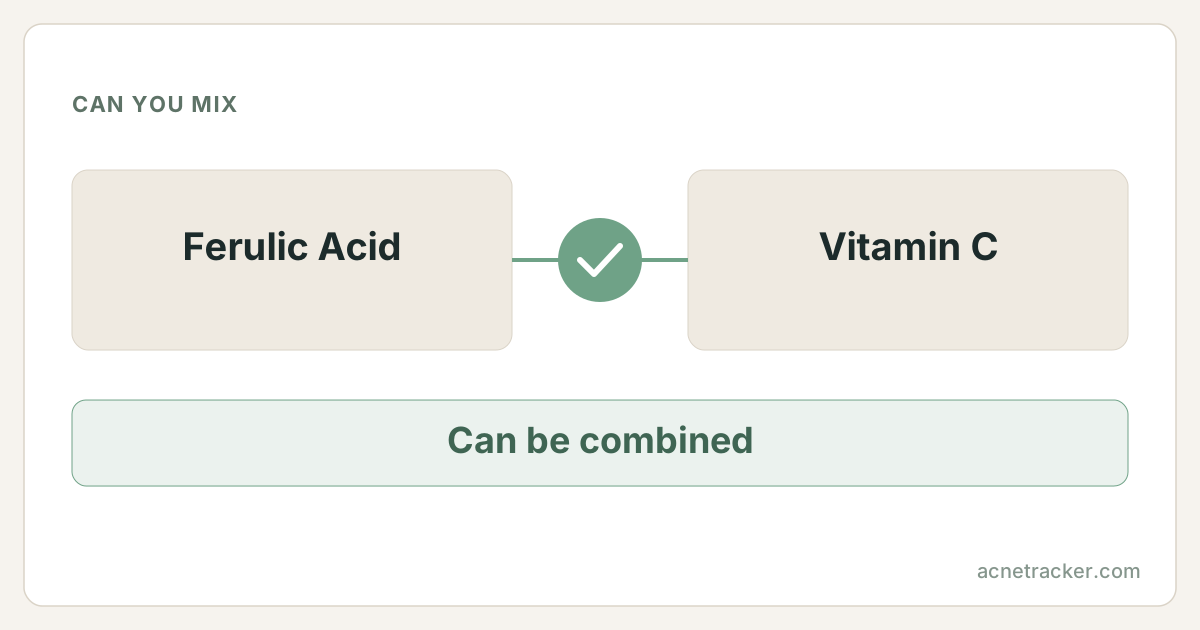
Can You Mix Ferulic Acid and Vitamin C?
Yes — this is one of the best-known pairings in antioxidant skincare. Ferulic acid stabilizes vitamin C, slowing its oxidation, and boosts its photoprotective power. It is the foundation of the classic vitamin C + vitamin E + ferulic acid formula. You do not need to layer two separate products; the pairing is usually built into a single well-formulated serum used each morning under sunscreen.
How this pairing resolves
The two ingredients, their published numbers, and where they land together.
The numbers beside each ingredient are its published comedogenic rating and effective pH window, taken from its own profile page.
Show the numbers
| Ingredients | Metric | 0–5 |
|---|---|---|
| Ferulic Acid | Comedogenic rating | 0/5 |
| Ferulic Acid | Effective pH | 3.0–5.5 |
| Vitamin C | Comedogenic rating | 0/5 |
| Vitamin C | Effective pH | 2.5–3.5 |
Why
Ferulic acid is a plant-derived antioxidant that does two valuable things for vitamin C. First, it is a stabilizer: L-ascorbic acid oxidizes easily when exposed to air, light, and water, and ferulic acid helps slow that degradation, keeping the serum active for longer. Second, it is synergistic. The landmark work by Sheldon Pinnell and colleagues at Duke showed that combining 15% L-ascorbic acid with 1% vitamin E and 0.5% ferulic acid roughly doubled the photoprotection of the vitamins alone, measured as protection against UV-induced damage. Ferulic acid regenerates and reinforces the antioxidant network, so the trio neutralizes free radicals more effectively than any single component. This is why so many vitamin C serums are formulated as a CE Ferulic-style blend rather than pure ascorbic acid. There is no conflict to manage here — ferulic acid exists in these products specifically to make vitamin C work better and last longer, which is exactly why they are paired.
How to combine them
In most cases you do not combine them manually — you buy a serum that already contains vitamin C, ferulic acid, and usually vitamin E, formulated in the correct ratios at a low pH. Use it in the morning: cleanse, apply the serum to dry skin, let it absorb for a minute, then moisturizer, then broad-spectrum SPF 30+. Morning use makes the most of the antioxidant and photoprotective synergy against daytime UV and pollution. Store the product away from light and heat and close it tightly, since ferulic acid slows but does not stop oxidation — if the serum turns deep orange or brown, it has oxidized and should be replaced. If you own separate products, apply the vitamin C serum first, then a ferulic-containing antioxidant.
Example routine
| When | Steps |
|---|---|
| Morning | Cleanser → Vitamin C + ferulic acid serum → Moisturizer → SPF 30+ |
| Storage | Keep bottle sealed, cool, and out of direct light |
| Freshness check | Replace if the serum turns deep orange or brown |
| Separate products | Vitamin C serum first, then ferulic antioxidant, then SPF |
Warning signs
Frequently asked questions
What does ferulic acid do for vitamin C?
It stabilizes L-ascorbic acid so it oxidizes more slowly, and it works synergistically to boost antioxidant and photoprotective performance, which is why it is a staple in vitamin C serums.
Is the vitamin C, E, and ferulic acid combination proven?
The classic formulation studied by Pinnell and colleagues showed the trio roughly doubled photoprotection versus the vitamins alone, making it a well-supported antioxidant blend for daytime use.
Do I need separate vitamin C and ferulic acid products?
Usually not. Most quality vitamin C serums already include ferulic acid, often with vitamin E, in balanced ratios. Buying a single well-formulated serum is simpler and more stable.
How do I know if my serum has gone bad?
Ferulic acid slows oxidation but does not prevent it. If the serum turns from pale yellow to deep orange or brown, the vitamin C has oxidized and the product should be replaced.
Sources & further reading
There is no single study of this exact question. The guidance here is reasoned from the ingredient profiles below, each of which carries its own references:
- Ferulic Acid3 refs
- Vitamin C3 refs
Show every reference behind this page (5)
- European Commission CosIng database — Ferulic Acidcited by Ferulic Acid, Vitamin C
- PubChem — Ferulic acidcited by Ferulic Acid
- Antioxidant Properties of Ferulic Acid and Its Possible Application (PubMed)cited by Ferulic Acid
- PubChem — Ascorbic Acid compound summarycited by Vitamin C
- DermNet — Topical vitamin Ccited by Vitamin C
Medical disclaimer
Ingredients mentioned on this page
Find your personal acne triggers
Our free Acne Tracker lets you log breakouts, sleep, stress and diet, and shows you which factors correlate with your flare-ups.