Can You Mix Azelaic Acid and Vitamin C?
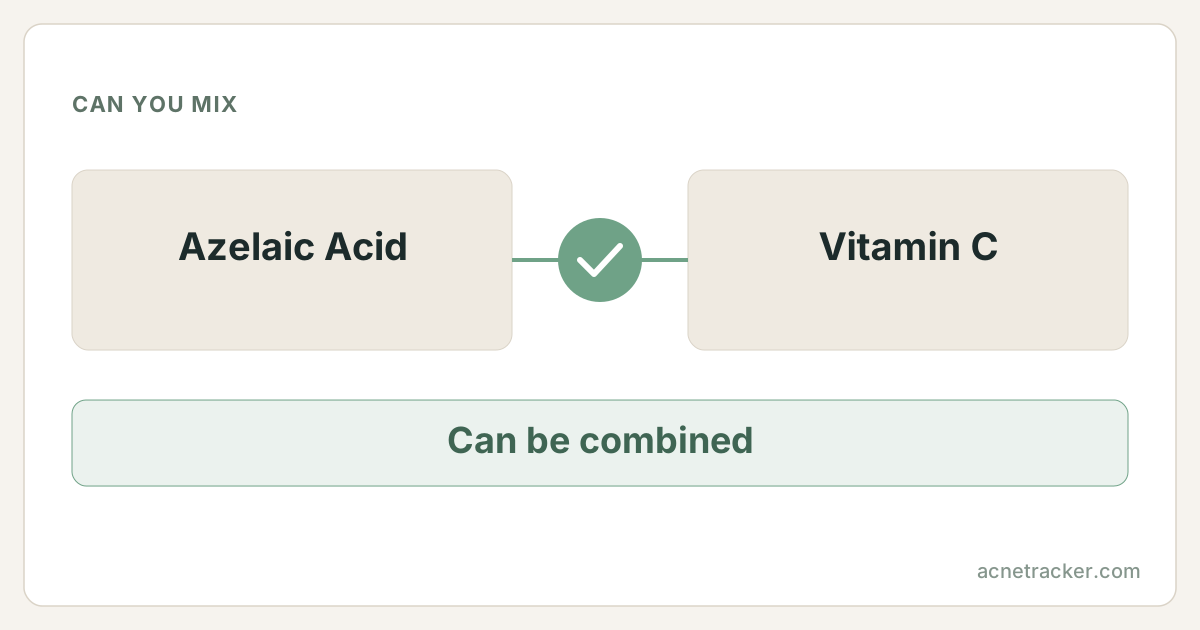
Yes. Vitamin C and azelaic acid are a complementary brightening pair that target dark marks, redness, and uneven tone from different angles. Azelaic acid is not a strong acid despite its name, so it does not clash with vitamin C's pH the way AHAs can. You can use them in the same routine or split them across the day, and both are well tolerated by most skin.
How this pairing resolves
The two ingredients, their published numbers, and where they land together.
The numbers beside each ingredient are its published comedogenic rating and effective pH window, taken from its own profile page.
Show the numbers
| Ingredients | Metric | 0–5 |
|---|---|---|
| Azelaic Acid | Comedogenic rating | 0/5 |
| Azelaic Acid | Effective pH | 4.0–5.0 |
| Vitamin C | Comedogenic rating | 0/5 |
| Vitamin C | Effective pH | 2.5–3.5 |
Why
Azelaic acid is a dicarboxylic acid that behaves nothing like an exfoliating AHA — it works at a near-skin-neutral pH and does not depend on a low-pH environment, so it does not compete with L-ascorbic acid's acidity. That is why this pairing is friendly rather than fraught. The two attack pigmentation through separate mechanisms: azelaic acid inhibits tyrosinase and is especially good at calming the inflammation that drives post-inflammatory hyperpigmentation, while vitamin C reduces melanin synthesis and mops up free radicals. Azelaic acid also has anti-inflammatory and mild antibacterial effects that suit acne and rosacea-prone skin, and vitamin C supports collagen and daytime antioxidant defense. Because their actions overlap on tone but differ in pathway, combining them can produce a more even, calmer complexion than either alone. There is no meaningful pH conflict and no oxidation risk between them, so the main consideration is simply not overloading skin that is new to actives.
How to combine them
You have flexibility. A clean option is vitamin C in the morning for antioxidant protection and azelaic acid in the evening to work on marks and redness overnight. If you prefer to layer, apply vitamin C first on dry skin, let it absorb, then azelaic acid, then moisturizer — the order matters less here than with reactive acids. Azelaic acid can cause a brief tingle when first introduced, so start it a few times a week and increase as tolerated. Sunscreen every morning is still essential, because protecting the results is the whole point of a brightening routine. If you use a 10–20% azelaic acid formula, treat it as your main pigment treatment and let vitamin C support it.
Example routine
| When | Steps |
|---|---|
| Morning | Cleanser → Vitamin C serum → Moisturizer → SPF 30+ |
| Evening | Cleanser → Azelaic acid → Moisturizer |
| Layering option | Vitamin C → wait → Azelaic acid → Moisturizer (same routine) |
| Introduction | Start azelaic acid 3x/week, increase as tolerated |
Warning signs
Frequently asked questions
Is azelaic acid a strong acid like glycolic?
No. Despite the name, azelaic acid is a dicarboxylic acid that works near skin-neutral pH and does not exfoliate like an AHA, so it does not clash with vitamin C's acidity.
Do vitamin C and azelaic acid both fade dark marks?
Yes, through different routes. Azelaic acid calms inflammation and inhibits pigment enzymes, while vitamin C lowers melanin production and adds antioxidant defense, so together they address post-acne marks well.
Can I layer them in one routine?
Yes. Apply vitamin C first, let it absorb, then azelaic acid and moisturizer. There is no oxidation or pH conflict, so layering is fine once your skin tolerates each.
Is this pair good for rosacea-prone skin?
Azelaic acid is well known for calming redness, and a gentle vitamin C can add antioxidant support. Introduce slowly and choose a mild vitamin C derivative if pure L-ascorbic acid stings.
Sources & further reading
There is no single study of this exact question. The guidance here is reasoned from the ingredient profiles below, each of which carries its own references:
- Azelaic Acid3 refs
- Vitamin C3 refs
Show every reference behind this page (5)
- PubChem — Azelaic acid compound summarycited by Azelaic Acid
- DermNet — Azelaic acidcited by Azelaic Acid
- European Commission CosIng database — Azelaic Acidcited by Azelaic Acid, Vitamin C
- PubChem — Ascorbic Acid compound summarycited by Vitamin C
- DermNet — Topical vitamin Ccited by Vitamin C
Medical disclaimer
Ingredients mentioned on this page
Find your personal acne triggers
Our free Acne Tracker lets you log breakouts, sleep, stress and diet, and shows you which factors correlate with your flare-ups.