Can You Mix Tranexamic Acid and Vitamin C?
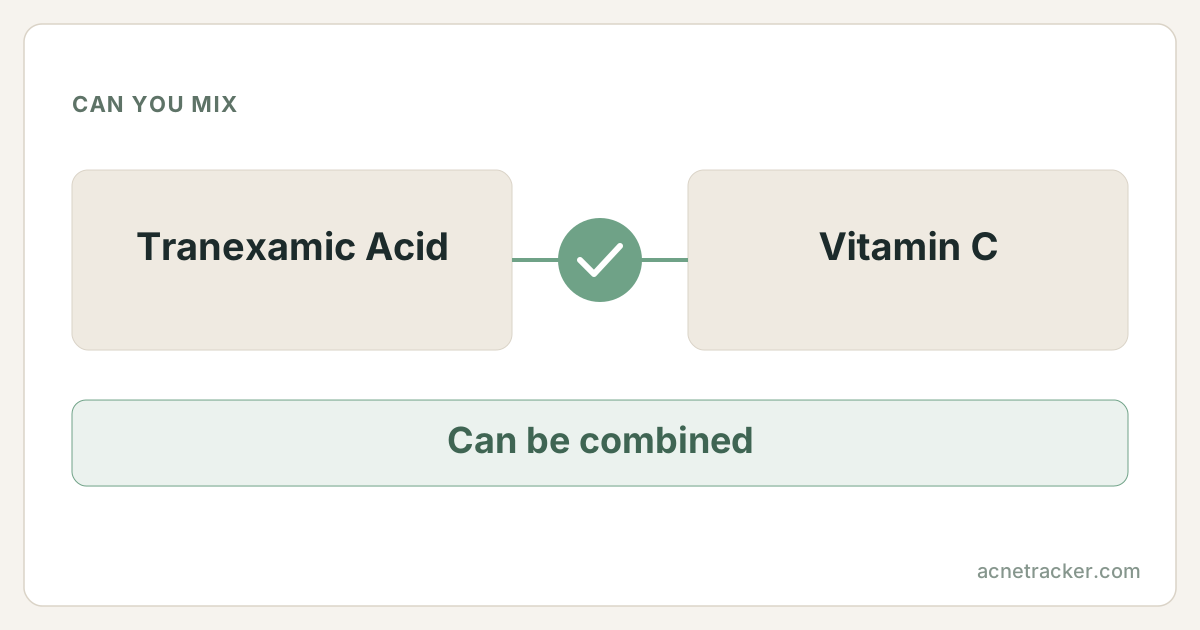
Yes, and they are a highly effective pairing for stubborn pigmentation like melasma and post-acne marks. Tranexamic acid works on the pigment pathway differently from vitamin C, so together they tackle discoloration from multiple angles. There is no pH conflict and little irritation risk, so you can layer them in the same routine — vitamin C first, then tranexamic acid, then moisturizer and sunscreen.
How this pairing resolves
The two ingredients, their published numbers, and where they land together.
The numbers beside each ingredient are its published comedogenic rating and effective pH window, taken from its own profile page.
Show the numbers
| Ingredients | Metric | 0–5 |
|---|---|---|
| Tranexamic Acid | Comedogenic rating | 0/5 |
| Tranexamic Acid | Effective pH | no published pH |
| Vitamin C | Comedogenic rating | 0/5 |
| Vitamin C | Effective pH | 2.5–3.5 |
Why
Tranexamic acid is not an exfoliating acid despite its name — it is a modified amino acid originally used medically to reduce bleeding, and in skincare it interrupts the signaling between skin cells and pigment-producing melanocytes. Specifically, it dampens the plasmin-driven pathway that prompts melanocytes to make more melanin in response to UV and inflammation, which is why it is particularly valued for melasma and inflammation-related dark marks. Vitamin C attacks pigmentation from another direction, reducing melanin synthesis directly and neutralizing the free radicals and UV damage that trigger overproduction. Because one calms the signal to make pigment while the other limits pigment formation and oxidative triggers, the two are genuinely complementary. There is no meaningful chemical conflict: tranexamic acid is stable across a range of pH values and does not require the acidity vitamin C prefers, and neither strips the barrier. That makes this a comfortable, well-tolerated combination that many people can use twice daily for gradual, cumulative brightening.
How to combine them
Layer them in one routine. Cleanse, apply vitamin C to dry skin and let it absorb for a minute, then apply tranexamic acid, then moisturizer. In the morning, always finish with SPF 30+, because UV is a primary driver of the pigmentation both ingredients are fighting and sun exposure will reverse your progress. You can use this pairing morning and evening; a common setup is vitamin C each morning for antioxidant defense with tranexamic acid twice daily. Pigmentation responds slowly, so give the routine two to three months of consistent use before judging results, and pair it with diligent sun avoidance. If L-ascorbic acid stings, a gentler derivative works alongside tranexamic acid equally well.
Example routine
| When | Steps |
|---|---|
| Morning | Cleanser → Vitamin C → Tranexamic acid → Moisturizer → SPF 30+ |
| Evening | Cleanser → Tranexamic acid → Moisturizer |
| Timeline | Allow 2–3 months of daily use to judge pigment fading |
| Melasma | Combine with strict sun protection for best results |
Warning signs
Frequently asked questions
Is tranexamic acid an AHA or BHA that could clash with vitamin C?
No. It is a modified amino acid, not an AHA or BHA. It works by calming the signals that tell melanocytes to overproduce pigment, so it does not exfoliate or clash with vitamin C.
Why combine vitamin C with tranexamic acid?
They fight pigment differently — tranexamic acid dampens the pathway that triggers melanin production, while vitamin C reduces melanin synthesis and adds antioxidant defense, so together they fade discoloration more effectively.
Is this pair good for melasma?
Tranexamic acid is especially valued for melasma, and vitamin C supports it with antioxidant protection. Strict daily sunscreen is essential, since UV and heat are major melasma triggers.
Can I use tranexamic acid and vitamin C twice a day?
Yes. There is no pH conflict or barrier stripping, so morning and evening use is fine. Pigmentation fades slowly, so consistency over two to three months matters most.
Sources & further reading
There is no single study of this exact question. The guidance here is reasoned from the ingredient profiles below, each of which carries its own references:
- Tranexamic Acid3 refs
- Vitamin C3 refs
Show every reference behind this page (6)
- PubChem — Tranexamic acid compound summarycited by Tranexamic Acid
- Tranexamic Acid for Hyperpigmentation Disorders: A Literature Review on Efficacy and Safety in Melasma and PIH. J Cosmet Dermatol 2026 Feb (PubMed)cited by Tranexamic Acid
- DermNet — Melasmacited by Tranexamic Acid
- PubChem — Ascorbic Acid compound summarycited by Vitamin C
- DermNet — Topical vitamin Ccited by Vitamin C
- European Commission CosIng database — Ascorbic Acidcited by Vitamin C
Medical disclaimer
Ingredients mentioned on this page
Find your personal acne triggers
Our free Acne Tracker lets you log breakouts, sleep, stress and diet, and shows you which factors correlate with your flare-ups.