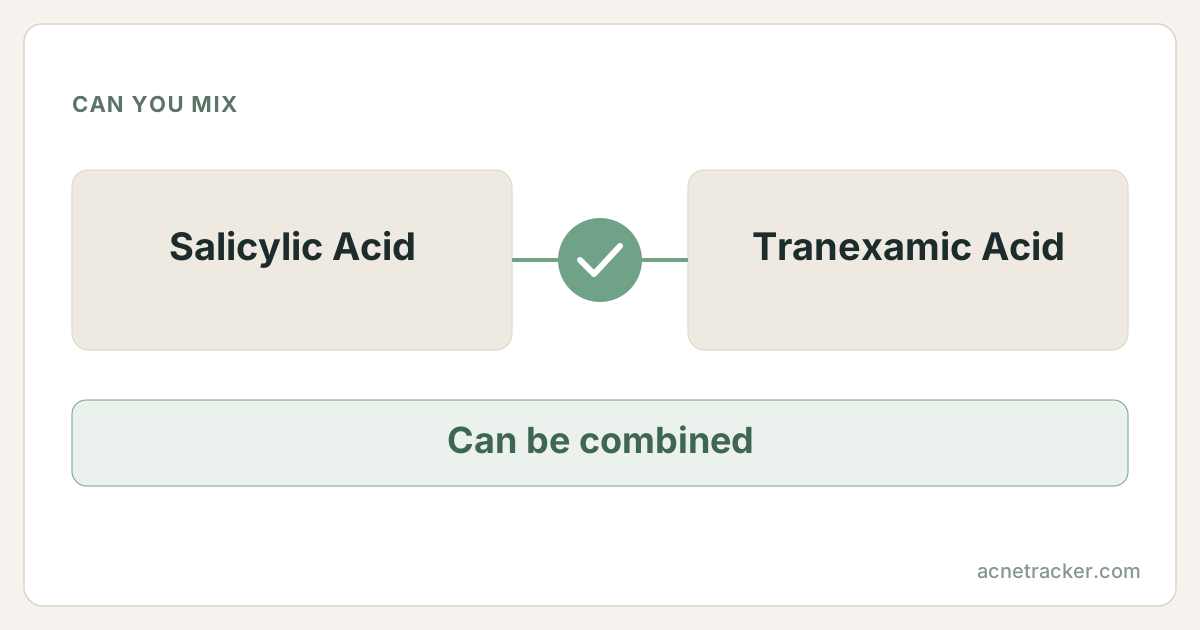
Can You Mix Salicylic Acid and Tranexamic Acid?
Yes. Salicylic acid and tranexamic acid pair well for acne-prone skin that also struggles with discoloration or redness. Salicylic acid unclogs pores and reduces oil, while tranexamic acid targets stubborn pigmentation and post-acne marks through a different pathway. They do not conflict, and tranexamic acid is gentle, so the main thing to manage is salicylic acid's tendency to dry the skin.
How this pairing resolves
The two ingredients, their published numbers, and where they land together.
The numbers beside each ingredient are its published comedogenic rating and effective pH window, taken from its own profile page.
Show the numbers
| Ingredients | Metric | 0–5 |
|---|---|---|
| Salicylic Acid | Comedogenic rating | 0/5 |
| Salicylic Acid | Effective pH | 3.0–4.0 |
| Tranexamic Acid | Comedogenic rating | 0/5 |
| Tranexamic Acid | Effective pH | no published pH |
Why
This pairing addresses breakouts and the discoloration they leave. Salicylic acid is an oil-soluble beta-hydroxy acid that gets into the pore and dissolves the plug of oil and dead cells, controlling both congestion and shine. Tranexamic acid works on pigment through an unusual route: it interrupts the interaction between skin cells and melanocytes, dampening the melanin overproduction triggered by inflammation and UV, and it also calms the vascular redness that lingers after inflamed acne. Because tranexamic acid is not an exfoliant and not strongly pH-dependent, it does not compete with salicylic acid or destabilize it. The two are complementary: salicylic acid stops new marks forming by clearing active acne, tranexamic acid fades the marks already present and helps with the diffuse redness that salicylic acid alone does not address. Tranexamic acid is one of the better-tolerated brightening options, so the pair is low-irritation; dryness from the acid is the practical limit.
How to combine them
Layer them in one routine or split by time. To layer, apply salicylic acid to clean skin, let it absorb, then tranexamic acid, then moisturizer. To split, use salicylic acid at night for pores and tranexamic acid in the morning for daytime brightening under sunscreen. Tranexamic acid is mild enough for twice-daily use; introduce and build the salicylic acid according to tolerance. As with any discoloration routine, daily SPF 30+ is essential, because sun exposure re-darkens the marks you are treating. Start with the salicylic acid alone, and once your barrier is comfortable add tranexamic acid. Keep a good moisturizer in rotation to offset dryness.
Example routine
| When | Steps |
|---|---|
| Morning | Cleanser → Tranexamic acid → Moisturizer → SPF 30+ |
| Evening | Cleanser → Salicylic acid → Tranexamic acid → Moisturizer |
| Split option | Salicylic acid PM, tranexamic acid AM |
| Always | Daily SPF 30+ for pigment to fade |
Warning signs
Frequently asked questions
What does tranexamic acid add over salicylic acid alone?
Salicylic acid clears pores and oil but does little for existing discoloration. Tranexamic acid fades stubborn post-acne marks and calms redness through a pigment-focused pathway, so together they treat acne and its aftermath.
Does tranexamic acid exfoliate pores the way salicylic acid does?
No, despite the name. Tranexamic acid works on melanin production and vascular redness, not by exfoliating. That is why it layers comfortably with salicylic acid without adding over-exfoliation risk.
Can I use both morning and night?
Tranexamic acid can be used twice daily. Salicylic acid should be built up according to tolerance, often starting a few nights a week. A common setup is salicylic acid at night and tranexamic acid in the morning.
Does this combination work for melasma?
Tranexamic acid is studied for melasma, but melasma is complex and easily worsened by sun and heat. Salicylic acid may support clarity, yet melasma usually needs a tailored plan and professional guidance rather than self-treatment.
Sources & further reading
There is no single study of this exact question. The guidance here is reasoned from the ingredient profiles below, each of which carries its own references:
- Salicylic Acid2 refs
- Tranexamic Acid3 refs
Show every reference behind this page (5)
- Salicylic acid as a peeling agent: a comprehensive review (PubMed)cited by Salicylic Acid
- FDA OTC monograph — acne drug products (salicylic acid 0.5–2%)cited by Salicylic Acid
- PubChem — Tranexamic acid compound summarycited by Tranexamic Acid
- Tranexamic Acid for Hyperpigmentation Disorders: A Literature Review on Efficacy and Safety in Melasma and PIH. J Cosmet Dermatol 2026 Feb (PubMed)cited by Tranexamic Acid
- DermNet — Melasmacited by Tranexamic Acid
Medical disclaimer
Ingredients mentioned on this page
Find your personal acne triggers
Our free Acne Tracker lets you log breakouts, sleep, stress and diet, and shows you which factors correlate with your flare-ups.