Can You Mix Alpha Arbutin and Salicylic Acid?
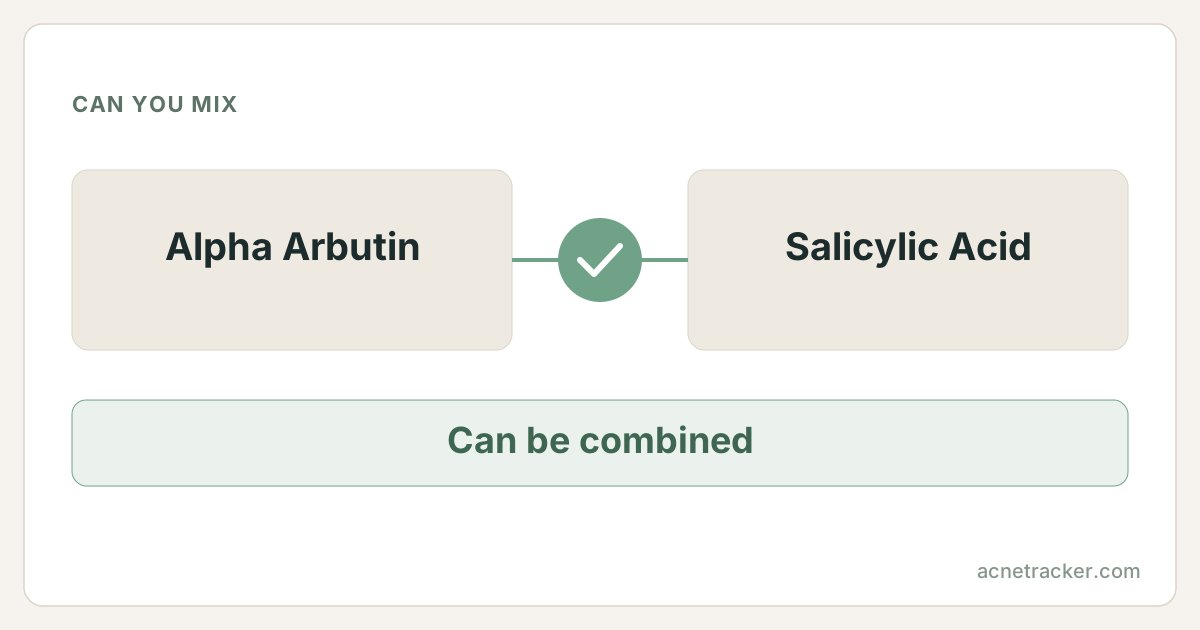
Yes. Alpha arbutin and salicylic acid are a smart pairing for acne-prone skin with dark marks. Salicylic acid unclogs pores and controls oil, while alpha arbutin gently fades the post-inflammatory hyperpigmentation left behind. They do not conflict chemically, and salicylic acid's mild exfoliation can even help brightening ingredients penetrate. Just keep skin hydrated, since salicylic acid can dry.
How this pairing resolves
The two ingredients, their published numbers, and where they land together.
The numbers beside each ingredient are its published comedogenic rating and effective pH window, taken from its own profile page.
Show the numbers
| Ingredients | Metric | 0–5 |
|---|---|---|
| Alpha Arbutin | Comedogenic rating | 0/5 |
| Alpha Arbutin | Effective pH | 4.0–6.0 |
| Salicylic Acid | Comedogenic rating | 0/5 |
| Salicylic Acid | Effective pH | 3.0–4.0 |
Why
These two ingredients tackle acne and its aftermath together. Salicylic acid is an oil-soluble beta-hydroxy acid that penetrates the pore, dissolving the sebum and dead-cell plug that leads to breakouts, and it lightly exfoliates the surface. Alpha arbutin is a stable, gentle derivative of hydroquinone that inhibits tyrosinase, the enzyme that produces melanin, so it fades the brown marks that acne so often leaves. The combination is logical because clearing active breakouts with salicylic acid prevents new marks from forming, while alpha arbutin works on the existing ones. There is a helpful mechanical synergy too: by exfoliating the top layer, salicylic acid can improve how well alpha arbutin reaches its target. Alpha arbutin is not pH-sensitive in a way that clashes with salicylic acid, and it is far gentler than many brightening actives, so irritation risk from the pair is low. The limiting factor is dryness from the salicylic acid, easily managed with moisturizer.
How to combine them
You can layer them in one routine. On clean skin apply salicylic acid first and let it absorb, then apply alpha arbutin, then moisturizer. Alternatively, use salicylic acid at night for congestion and alpha arbutin in the morning for daytime brightening under sunscreen — a split that many find effective for pigmentation. Alpha arbutin is gentle enough for twice-daily use; salicylic acid should be built up from a few times a week according to tolerance. Sunscreen is essential: any pigmentation treatment fails without daily SPF 30+, because UV re-triggers the melanin you are trying to fade. Introduce the salicylic acid first, then add alpha arbutin once your skin is settled.
Example routine
| When | Steps |
|---|---|
| Morning | Cleanser → Alpha arbutin → Moisturizer → SPF 30+ |
| Evening | Cleanser → Salicylic acid → Alpha arbutin → Moisturizer |
| Simple option | Salicylic acid PM, alpha arbutin AM |
| Always | Daily SPF 30+ to let marks fade |
Warning signs
Frequently asked questions
Can salicylic acid and alpha arbutin be used together for dark spots?
Yes, they complement each other well. Salicylic acid clears pores and prevents new marks while alpha arbutin fades existing pigment. The mild exfoliation can also help the brightening ingredient work.
Should I use alpha arbutin and salicylic acid together or split them?
Both work. Layer salicylic acid then alpha arbutin in one routine, or split them with salicylic acid at night and alpha arbutin in the morning under sunscreen. Choose what your skin tolerates best.
How long until I see marks fade?
Post-acne pigmentation typically takes several weeks to a few months to lighten noticeably, and only with consistent daily sunscreen. Alpha arbutin is gradual and gentle, so patience and sun protection are essential.
Is alpha arbutin safe to layer over an acid?
Yes. Alpha arbutin is stable and not aggressively pH-dependent, so it layers comfortably after salicylic acid. Let the acid absorb first, then apply alpha arbutin and a moisturizer.
Sources & further reading
There is no single study of this exact question. The guidance here is reasoned from the ingredient profiles below, each of which carries its own references:
- Alpha-Arbutin3 refs
- Salicylic Acid2 refs
Show every reference behind this page (5)
- European Commission CosIng database — Alpha-Arbutincited by Alpha-Arbutin
- PubChem — Arbutincited by Alpha-Arbutin
- A comprehensive review of the therapeutic potential of α-arbutin (PubMed)cited by Alpha-Arbutin
- Salicylic acid as a peeling agent: a comprehensive review (PubMed)cited by Salicylic Acid
- FDA OTC monograph — acne drug products (salicylic acid 0.5–2%)cited by Salicylic Acid
Medical disclaimer
Ingredients mentioned on this page
Find your personal acne triggers
Our free Acne Tracker lets you log breakouts, sleep, stress and diet, and shows you which factors correlate with your flare-ups.