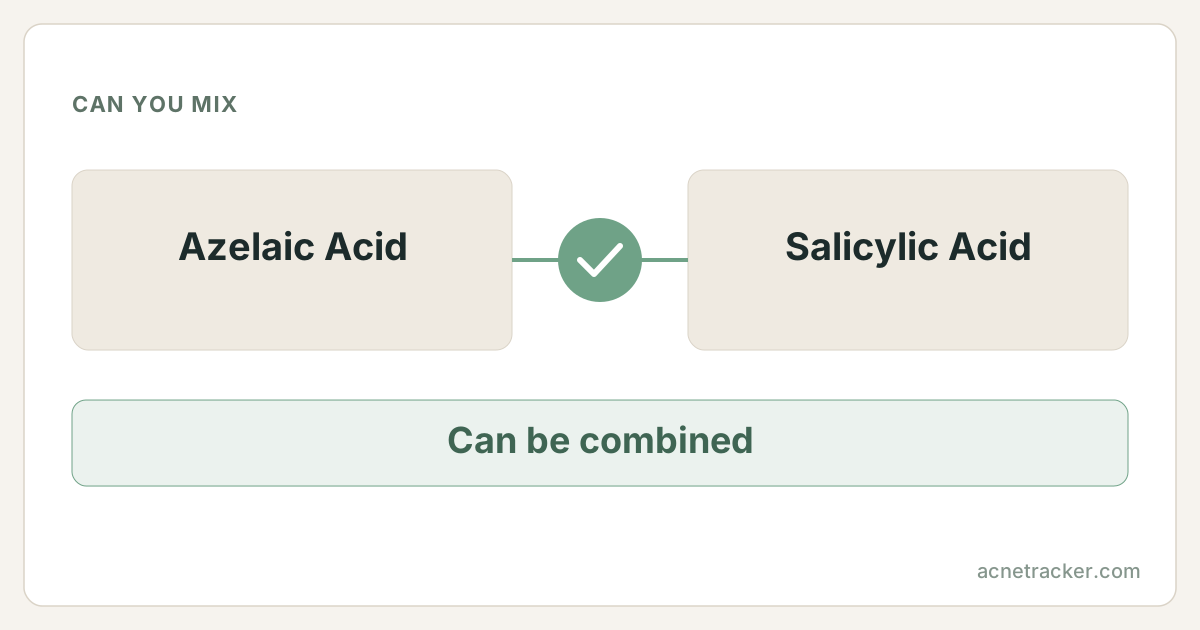
Can You Mix Azelaic Acid and Salicylic Acid?
Yes. Azelaic acid and salicylic acid work well together and are a popular combination for acne with post-inflammatory marks. Salicylic acid unclogs pores while azelaic acid calms inflammation, reduces bacteria and evens out dark spots. Despite the name, azelaic acid is not an exfoliating hydroxy acid, so this pairing carries less over-exfoliation risk than stacking two AHAs — just watch for dryness.
How this pairing resolves
The two ingredients, their published numbers, and where they land together.
The numbers beside each ingredient are its published comedogenic rating and effective pH window, taken from its own profile page.
Show the numbers
| Ingredients | Metric | 0–5 |
|---|---|---|
| Azelaic Acid | Comedogenic rating | 0/5 |
| Azelaic Acid | Effective pH | 4.0–5.0 |
| Salicylic Acid | Comedogenic rating | 0/5 |
| Salicylic Acid | Effective pH | 3.0–4.0 |
Why
These two ingredients cover complementary parts of the acne cycle. Salicylic acid is a beta-hydroxy acid that is oil-soluble, so it penetrates the pore lining and dissolves the sebum and dead-cell plug that starts a comedone. Azelaic acid, despite being called an acid, is a dicarboxylic acid that does not chemically exfoliate like an AHA or BHA; instead it is antimicrobial against acne bacteria, anti-inflammatory to calm red papules, and it inhibits tyrosinase to fade the brown marks left after a spot heals. Because azelaic acid is not an exfoliant, layering it with salicylic acid does not double up the peeling effect the way two AHAs would, which makes this a genuinely synergistic and low-conflict pair. Salicylic clears the blockage and controls oil; azelaic reduces the inflammation and pigmentation. The main practical limitation is that both can be mildly drying and azelaic can tingle at first, so tolerance, not chemical conflict, sets the pace.
How to combine them
A simple split works beautifully: salicylic acid in the morning or on cleansing to control oil and unclog pores, azelaic acid in the evening as a leave-on treatment for inflammation and marks. If you prefer them in one routine, apply salicylic acid first to clean skin, let it absorb, then azelaic acid, then moisturizer. Azelaic acid (10 percent over the counter, higher by prescription) is usually well tolerated daily once your skin adjusts, while salicylic acid can start at two or three times weekly and increase. Always moisturize and wear SPF 30+ each morning, especially important because you are treating pigmentation. Introduce one product first and add the second after a week or two.
Example routine
| When | Steps |
|---|---|
| Morning | Cleanser (or salicylic acid) → Moisturizer → SPF 30+ |
| Evening | Cleanser → Azelaic acid → Moisturizer |
| Alt. evening | Cleanser → Salicylic acid → Azelaic acid → Moisturizer |
| Sensitive skin | Alternate the two on different nights |
Warning signs
Frequently asked questions
Is azelaic acid an exfoliant like salicylic acid?
No. Azelaic acid is a dicarboxylic acid that works by calming inflammation, killing acne bacteria and fading pigment, not by exfoliating. That is why pairing it with salicylic acid does not cause the over-exfoliation risk of stacking two AHAs.
Which should I use in the morning and which at night?
Either order works. A common setup is salicylic acid in the morning to manage oil and azelaic acid at night for marks and inflammation, but you can also layer them in one evening routine.
Will this combination help acne scars or just marks?
It helps flat brown or red post-acne marks by fading pigment and clearing congestion. True indented or raised scars are a structural change that topical acids cannot resolve; those need professional treatment.
Is azelaic acid safe in pregnancy alongside salicylic acid?
Azelaic acid is often considered one of the more pregnancy-friendly actives, while leave-on salicylic acid is usually limited or avoided. Always confirm with your healthcare provider; this is general information, not medical advice.
Sources & further reading
There is no single study of this exact question. The guidance here is reasoned from the ingredient profiles below, each of which carries its own references:
- Azelaic Acid3 refs
- Salicylic Acid2 refs
Show every reference behind this page (5)
- PubChem — Azelaic acid compound summarycited by Azelaic Acid
- DermNet — Azelaic acidcited by Azelaic Acid
- European Commission CosIng database — Azelaic Acidcited by Azelaic Acid
- Salicylic acid as a peeling agent: a comprehensive review (PubMed)cited by Salicylic Acid
- FDA OTC monograph — acne drug products (salicylic acid 0.5–2%)cited by Salicylic Acid
Medical disclaimer
Ingredients mentioned on this page
Find your personal acne triggers
Our free Acne Tracker lets you log breakouts, sleep, stress and diet, and shows you which factors correlate with your flare-ups.