Can You Mix Salicylic Acid and Sulfur?
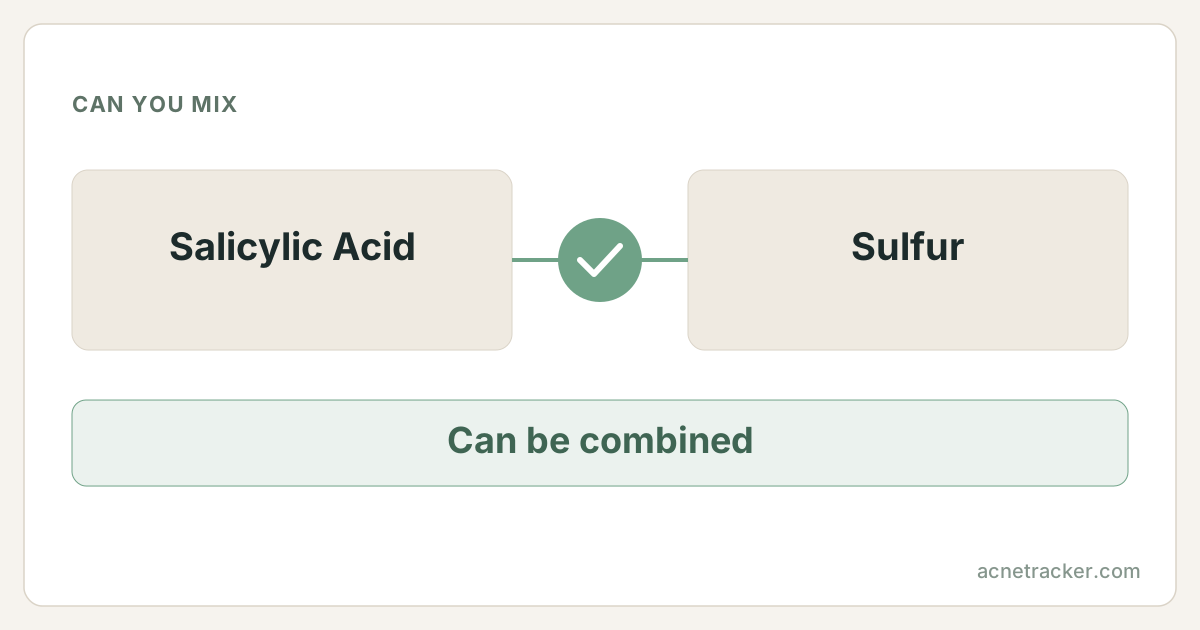
Yes. Salicylic acid and sulfur are a classic, long-used acne combination and even appear together in many masks and spot treatments. Salicylic acid exfoliates inside the pore while sulfur absorbs excess oil, dries out active spots and has antibacterial action. They work well together, especially for oily and congested skin. The main downside is dryness, so keep frequency and moisturization in balance.
How this pairing resolves
The two ingredients, their published numbers, and where they land together.
The numbers beside each ingredient are its published comedogenic rating and effective pH window, taken from its own profile page.
Show the numbers
| Ingredients | Metric | 0–5 |
|---|---|---|
| Salicylic Acid | Comedogenic rating | 0/5 |
| Salicylic Acid | Effective pH | 3.0–4.0 |
| Sulfur | Comedogenic rating | 0/5 |
| Sulfur | Effective pH | no published pH |
Why
These two have been paired in acne care for decades because their actions dovetail. Salicylic acid is an oil-soluble beta-hydroxy acid that penetrates the pore and dissolves the plug of sebum and dead cells, clearing blackheads and preventing new comedones. Sulfur works differently: it is keratolytic, gently softening and shedding the top layer, it is sebum-absorbing, soaking up surface oil, and it has antibacterial and antifungal properties that suppress the microbes involved in acne and conditions like seborrheic dermatitis. So salicylic acid clears the pore from within while sulfur mattifies and disinfects the surface. There is no chemical conflict, and the combination is common in over-the-counter masks and drying lotions for exactly this reason. The trade-off is that both are drying, so overuse can leave skin tight and flaky, and sulfur has a characteristic smell some people dislike. Used a few times a week with good moisturizing, it is a reliable, gentle-enough pairing for oily, spot-prone skin.
How to combine them
The easiest way is to use them in the same formulated products or to stagger them: salicylic acid as a regular exfoliant on congested areas, sulfur as a mask once or twice a week or as a spot-drying treatment on active blemishes overnight. If layering separate products, apply salicylic acid first to clean skin, let it absorb, then sulfur, then moisturizer. Because both dry the skin, do not use them at maximum frequency at once — start a couple of times a week and moisturize well, with SPF 30+ in the morning. Sulfur masks are usually rinsed off, which limits their drying effect. Build up slowly and reduce if your skin feels tight.
Example routine
| When | Steps |
|---|---|
| Morning | Cleanser → Salicylic acid (optional) → Moisturizer → SPF 30+ |
| Evening (some days) | Cleanser → Salicylic acid → Moisturizer |
| Mask nights (1-2x/week) | Cleanser → Sulfur mask → Rinse → Moisturizer |
| Spot use | Sulfur drying lotion on active blemishes overnight |
Warning signs
Frequently asked questions
Why are salicylic acid and sulfur often in the same acne product?
They complement each other: salicylic acid clears inside the pore while sulfur absorbs oil, dries spots and fights bacteria. This classic pairing appears in many masks and spot treatments for oily, breakout-prone skin.
Is sulfur too drying to use with salicylic acid?
Both are drying, so using them together frequently can over-strip skin. Use sulfur mainly as an occasional mask or spot treatment, keep salicylic acid moderate, and moisturize well to stay balanced.
Does sulfur help with fungal or bacterial breakouts?
Sulfur has antibacterial and antifungal properties, so it can help conditions like seborrheic dermatitis and some breakouts, alongside its oil-absorbing action. Salicylic acid adds pore-clearing exfoliation to the routine.
Why does my sulfur product smell?
Sulfur naturally has a distinctive egg-like odor, which is normal and not a sign the product is spoiled. The smell usually fades after application; if it bothers you, rinse-off masks minimize the lingering scent.
Sources & further reading
There is no single study of this exact question. The guidance here is reasoned from the ingredient profiles below, each of which carries its own references:
- Salicylic Acid2 refs
- Sulfur2 refs
Show every reference behind this page (3)
- Salicylic acid as a peeling agent: a comprehensive review (PubMed)cited by Salicylic Acid
- FDA OTC monograph — acne drug products (salicylic acid 0.5–2%)cited by Salicylic Acid, Sulfur
- PubChem — Sulfur (CID 5362487)cited by Sulfur
Medical disclaimer
Ingredients mentioned on this page
Find your personal acne triggers
Our free Acne Tracker lets you log breakouts, sleep, stress and diet, and shows you which factors correlate with your flare-ups.