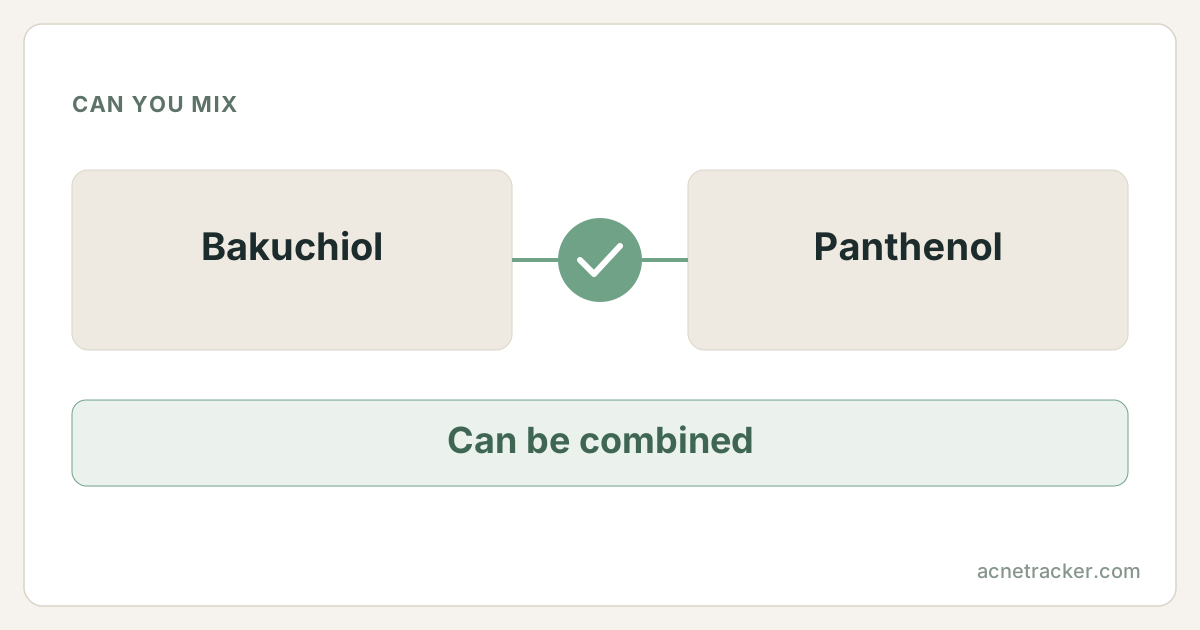
Can You Mix Bakuchiol and Panthenol?
Yes, and it is a soothing, low-risk combination. Panthenol (provitamin B5) is a humectant and skin-conditioning agent that calms redness and supports repair, so it neatly offsets any mild sensitivity from bakuchiol's turnover activity. Bakuchiol renews and firms; panthenol hydrates and settles the skin, making the pair comfortable even for reactive or rosacea-prone complexions.
How this pairing resolves
The two ingredients, their published numbers, and where they land together.
The numbers beside each ingredient are its published comedogenic rating and effective pH window, taken from its own profile page.
Show the numbers
| Ingredients | Metric | 0–5 |
|---|---|---|
| Bakuchiol | Comedogenic rating | 0/5 |
| Bakuchiol | Effective pH | no published pH |
| Panthenol | Comedogenic rating | 0/5 |
| Panthenol | Effective pH | no published pH |
Why
Panthenol is the alcohol form of vitamin B5; once in the skin it converts to pantothenic acid, a building block your cells use in barrier repair and to synthesise the lipids that hold moisture. It is also a proven anti-inflammatory and humectant, drawing water into the upper layers and visibly reducing the flush that comes with any active. Bakuchiol works on a different axis, signalling collagen production and quickening cell turnover through non-retinoid pathways. Neither ingredient is acidic or reactive: panthenol is stable across a broad pH range and bakuchiol is an easy-going antioxidant, so there is no destabilisation when they share a layer. The pairing is essentially renewal plus comfort. Where a retinoid would demand a recovery buffer, bakuchiol's gentleness combined with panthenol's calming, moisture-binding action means most people feel no downtime at all. For sensitive or redness-prone skin that still wants anti-ageing benefits, it is a particularly forgiving choice.
How to combine them
This pair layers effortlessly. On clean, dry skin apply bakuchiol serum first, then follow with a panthenol serum, gel or cream. Because panthenol is such a common base ingredient, you may already have it in a moisturiser — check the label and simply layer bakuchiol underneath. Both are safe morning and night, and there is no sun-sensitivity to schedule around, though daytime SPF still protects your results. If your skin is actively irritated from another product, lead with panthenol for a few days to rebuild comfort, then reintroduce bakuchiol. No adjustment ramp is required for either ingredient, but starting bakuchiol every other night is a sensible way to gauge tolerance while panthenol keeps the skin calm.
Example routine
| When | Steps |
|---|---|
| Morning | Cleanser → Bakuchiol serum → Panthenol moisturiser → SPF 30+ |
| Evening | Cleanser → Bakuchiol serum → Panthenol cream |
| Post-irritation days | Panthenol only until skin calms, then add bakuchiol |
| Note | Both are pH-flexible and pair without any wait time |
Warning signs
Frequently asked questions
Is bakuchiol and panthenol good for sensitive or rosacea-prone skin?
Yes. Panthenol calms redness and reinforces the barrier while bakuchiol renews without the sting of a retinoid, so the pair is one of the more forgiving anti-ageing options for reactive or rosacea-prone skin.
Does panthenol reduce bakuchiol's effectiveness?
No. Panthenol is a soothing humectant, not a competing active, and it does not shift bakuchiol's pH or block its pathways. It simply makes the renewal process more comfortable.
Can I use bakuchiol and panthenol both morning and night?
Yes. Neither is photosensitising, so twice-daily use is fine. Keep daytime sunscreen to protect the collagen bakuchiol is helping build.
Should panthenol go before or after bakuchiol?
After. Apply the bakuchiol serum first so it reaches skin, then layer panthenol on top as a soothing, hydrating step — or use a panthenol moisturiser as your final layer.
Sources & further reading
There is no single study of this exact question. The guidance here is reasoned from the ingredient profiles below, each of which carries its own references:
Show every reference behind this page (6)
- PubChem — Bakuchiol compound summarycited by Bakuchiol
- Bakuchiol: a retinol-like functional compound (PubMed)cited by Bakuchiol
- DermNet — Cosmeceuticalscited by Bakuchiol
- PubChem — Panthenol compound summarycited by Panthenol
- European Commission CosIng database — Panthenolcited by Panthenol
- Safety Assessment of Panthenol, Pantothenic Acid, and Derivatives as Used in Cosmetics (PubMed)cited by Panthenol
Medical disclaimer
Ingredients mentioned on this page
Find your personal acne triggers
Our free Acne Tracker lets you log breakouts, sleep, stress and diet, and shows you which factors correlate with your flare-ups.