Can You Mix Retinol and Vitamin E?
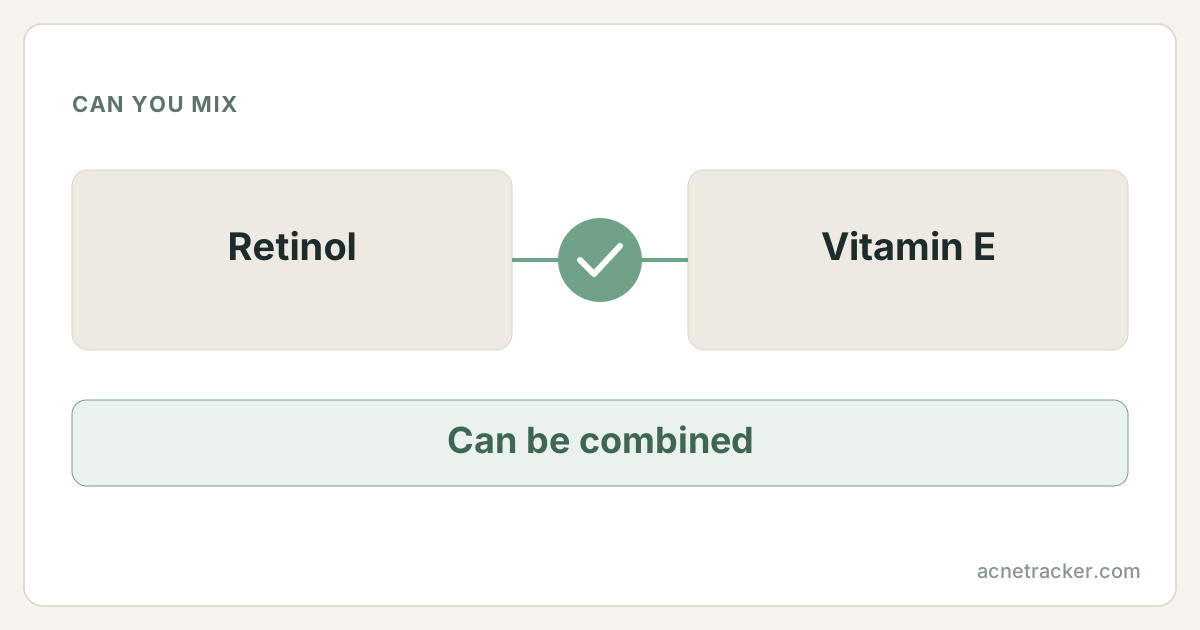
Yes, retinol and vitamin E work well together — so well that many retinol serums include vitamin E in the same bottle. Vitamin E is a lipid-soluble antioxidant that helps protect retinol from oxidising and soothes the barrier while retinol renews it. There is no chemical conflict; the main thing to watch is that vitamin E is rich, and a small minority of sensitive users can find it irritating.
How this pairing resolves
The two ingredients, their published numbers, and where they land together.
The numbers beside each ingredient are its published comedogenic rating and effective pH window, taken from its own profile page.
Show the numbers
| Ingredients | Metric | 0–5 |
|---|---|---|
| Retinol | Comedogenic rating | 1/5 |
| Retinol | Effective pH | 5.0–6.0 |
| Vitamin E | Comedogenic rating | 0/5 |
| Vitamin E | Effective pH | no published pH |
Why
Vitamin E (tocopherol, and its ester tocopheryl acetate) is a fat-soluble antioxidant that sits in the skin's lipid layers and in the oil phase of a formula. Retinol is notoriously unstable — light, air and heat oxidise it — and antioxidants like vitamin E help slow that degradation, which is exactly why formulators so often pair the two in one product. On the skin, vitamin E does two complementary things: it quenches the free radicals that retinol's turnover and daily UV exposure generate, and it reinforces the barrier's lipids, easing the dryness and roughness of the retinisation phase. It also works synergistically with vitamin C, regenerating oxidised vitamin C so an antioxidant network stays active longer. None of this competes with retinol's mechanism; tocopherol has no problematic pH and does not block the receptor pathway retinol uses. The one nuance is richness — vitamin E is an oil-phase ingredient, so on very oily or reactive skin a heavy dose can occasionally feel greasy or, rarely, provoke contact irritation, which is a formulation and dose issue rather than a true incompatibility.
How to combine them
The easiest route is to let one product do the work: a retinol serum that already lists tocopherol or tocopheryl acetate needs nothing extra. If you are layering separate products, apply retinol to clean, dry skin first, then a vitamin E oil or a moisturizer containing vitamin E on top to seal and soothe. Because vitamin E is antioxidant-rich, it also fits neatly in the morning under sunscreen, where it backs up your SPF against free-radical damage. Introduce retinol slowly — two or three nights a week — and use the vitamin E product consistently, including on recovery nights, to keep the barrier calm. Patch test a new vitamin E oil on the inner arm first if your skin is sensitive. Always finish the morning routine with broad-spectrum SPF 30 or higher, since retinol raises sun sensitivity.
Example routine
| When | Steps |
|---|---|
| Evening (retinol nights) | Cleanser → Retinol → Vitamin E moisturizer/oil |
| Morning | Cleanser → Vitamin E (or C+E) serum → Moisturizer → SPF 30+ |
| Recovery nights | Cleanser → Vitamin E moisturizer (barrier support) |
Warning signs
Frequently asked questions
Does vitamin E stop retinol from working?
No. Vitamin E is an antioxidant that supports retinol rather than blocking it — it even helps keep retinol stable. It does not neutralise the molecule or interfere with the pathway retinol acts on.
Can I use vitamin C, vitamin E and retinol together?
Vitamin E and C are a classic antioxidant duo for the morning under SPF. Keep retinol for the evening; layering all three at night is possible for adjusted skin but often more irritating than it is worth.
Is a vitamin E oil good for retinol dryness?
Yes. A vitamin E oil or cream layered over retinol replenishes barrier lipids and eases flaking. On oily skin, pick a lighter vitamin E serum instead of a heavy oil to avoid a greasy feel.
Is vitamin E safe to use during pregnancy?
Topical vitamin E is generally regarded as safe in pregnancy. Retinol, though, is usually avoided, so if you are pregnant you can keep the vitamin E and pause the retinol after checking with your doctor.
Sources & further reading
There is no single study of this exact question. The guidance here is reasoned from the ingredient profiles below, each of which carries its own references:
Show every reference behind this page (5)
- Improvement of naturally aged skin with vitamin A (retinol) (PubMed)cited by Retinol
- European Commission SCCS opinion on vitamin A in cosmeticscited by Retinol
- PubChem — Tocopherol compound summarycited by Vitamin E
- DermNet — Vitamin Ecited by Vitamin E
- European Commission CosIng database — Tocopherolcited by Vitamin E
Medical disclaimer
Ingredients mentioned on this page
Find your personal acne triggers
Our free Acne Tracker lets you log breakouts, sleep, stress and diet, and shows you which factors correlate with your flare-ups.