Can You Mix Niacinamide and Vitamin E?
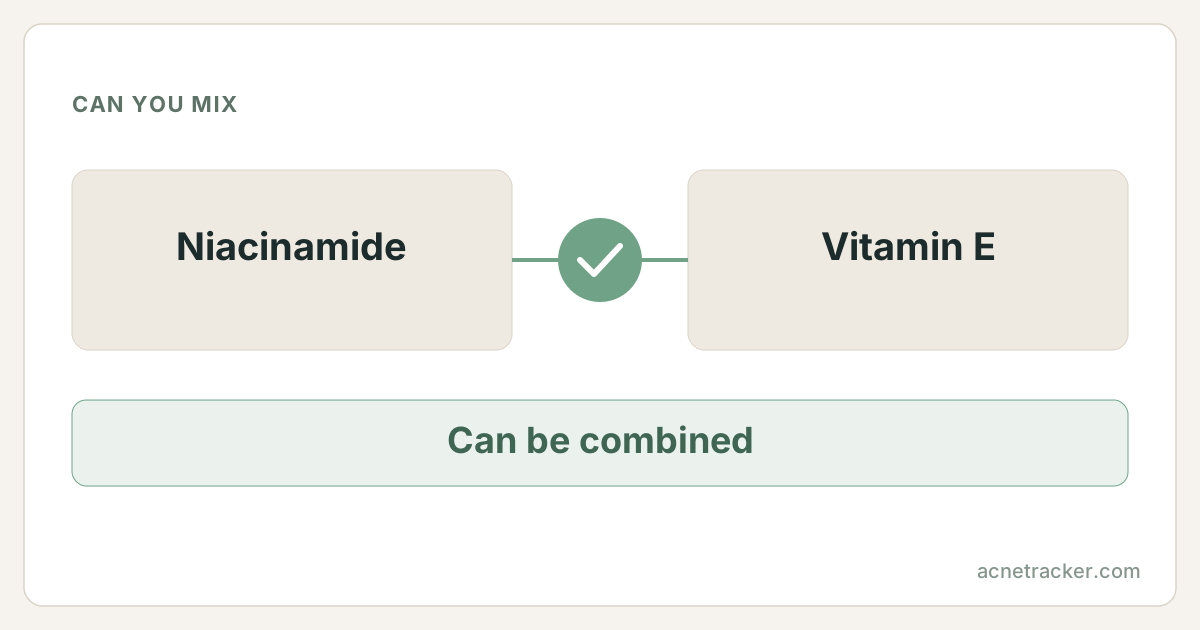
Yes, easily. Niacinamide and vitamin E are fully compatible and complement each other well — niacinamide strengthens the barrier from a water-based serum while vitamin E is an oil-soluble antioxidant that protects and softens. There is no pH conflict or irritation risk. Apply the water-based niacinamide first, then vitamin E or a moisturizer that contains it.
How this pairing resolves
The two ingredients, their published numbers, and where they land together.
The numbers beside each ingredient are its published comedogenic rating and effective pH window, taken from its own profile page.
Show the numbers
| Ingredients | Metric | 0–5 |
|---|---|---|
| Niacinamide | Comedogenic rating | 0/5 |
| Niacinamide | Effective pH | 5.0–7.0 |
| Vitamin E | Comedogenic rating | 0/5 |
| Vitamin E | Effective pH | no published pH |
Why
These two work on different but harmonising fronts. Vitamin E, mostly as tocopherol, is a fat-soluble antioxidant that sits in the skin's lipid layers, neutralising free radicals, reinforcing the barrier's oily component and helping the skin feel soft and cushioned. It is especially good at protecting other ingredients from oxidation, which is why it so often appears alongside vitamin C. Niacinamide is water-soluble and works on the cellular side of the barrier, boosting ceramide production, cutting water loss and calming inflammation. Because one is water-loving and the other oil-loving, they reinforce both halves of the skin barrier — the watery and the lipid parts — rather than competing. There is no pH incompatibility, no exfoliation, and no meaningful irritation to manage. This is a quietly effective, low-risk pairing focused on barrier resilience and antioxidant protection rather than dramatic active results, which makes it well suited to dry, sensitive or compromised skin.
How to combine them
Follow the water-before-oil rule: apply your water-based niacinamide serum to clean skin first, let it absorb, then apply vitamin E, which usually comes in an oil or richer cream and would otherwise block a watery serum from penetrating. Often vitamin E is simply part of your moisturizer or a facial oil, in which case niacinamide serum then moisturizer is all you need. Both can be used morning and evening daily with no adjustment period. In the morning, this pairing sits nicely under sunscreen and adds antioxidant support to your daytime defence. If your skin is oily, choose a lighter vitamin E serum rather than a heavy oil to avoid a greasy finish. Finish mornings with broad-spectrum SPF.
Example routine
| When | Steps |
|---|---|
| Morning | Cleanser → Niacinamide → Vitamin E / moisturizer → SPF 30+ |
| Evening | Cleanser → Niacinamide → Vitamin E oil or cream |
| Rule of thumb | Water-based niacinamide before oil-based vitamin E |
Warning signs
Frequently asked questions
Which goes first, niacinamide or vitamin E?
Apply water-based niacinamide first, let it absorb, then oil-based vitamin E. Oils block watery serums from penetrating, so the water step always comes before the oil step.
Do niacinamide and vitamin E do the same thing?
No, they complement each other. Niacinamide is water-soluble and builds the barrier's cellular side, while vitamin E is an oil-soluble antioxidant that protects the lipid side and softens skin.
Is this combination good for dry skin?
Yes. Niacinamide reduces water loss and vitamin E reinforces the skin's oils, so together they strengthen both parts of the barrier, making the pair well suited to dry or compromised skin.
Can vitamin E clog pores when used with niacinamide?
Rich vitamin E oils can feel heavy and may contribute to congestion for some acne-prone users. If so, use a lighter vitamin E serum or get it via your moisturizer rather than a pure oil.
Can I use both in the morning under sunscreen?
Yes. The pair layers well under SPF and adds antioxidant protection to your daytime routine. Apply niacinamide, then vitamin E or moisturizer, then sunscreen.
Sources & further reading
There is no single study of this exact question. The guidance here is reasoned from the ingredient profiles below, each of which carries its own references:
- Niacinamide2 refs
- Vitamin E3 refs
Show every reference behind this page (4)
- Niacinamide: mechanisms of action and its topical use in dermatology (PubMed)cited by Niacinamide
- European Commission CosIng database — Niacinamidecited by Niacinamide, Vitamin E
- PubChem — Tocopherol compound summarycited by Vitamin E
- DermNet — Vitamin Ecited by Vitamin E
Medical disclaimer
Ingredients mentioned on this page
Find your personal acne triggers
Our free Acne Tracker lets you log breakouts, sleep, stress and diet, and shows you which factors correlate with your flare-ups.