Can You Mix Niacinamide and Retinal?
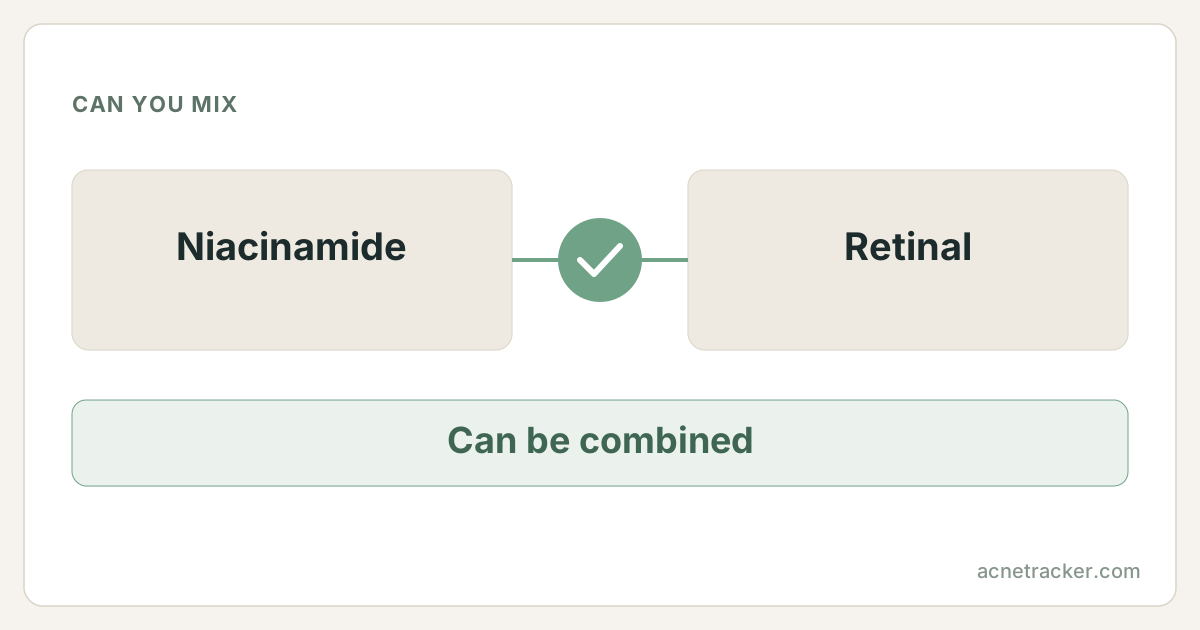
Yes. Niacinamide and retinal (retinaldehyde) are an excellent pairing, much like niacinamide with retinol but with a more potent retinoid. Niacinamide is not an acid and does not compete with retinal; instead it calms the redness and dryness that retinal can cause. Apply niacinamide first, then retinal, or use both in one evening routine to get results with fewer side effects.
How this pairing resolves
The two ingredients, their published numbers, and where they land together.
The numbers beside each ingredient are its published comedogenic rating and effective pH window, taken from its own profile page.
Show the numbers
| Ingredients | Metric | 0–5 |
|---|---|---|
| Niacinamide | Comedogenic rating | 0/5 |
| Niacinamide | Effective pH | 5.0–7.0 |
| Retinal | Comedogenic rating | 1/5 |
| Retinal | Effective pH | 5.0–6.0 |
Why
Retinal, short for retinaldehyde, sits one step closer to active retinoic acid than retinol does: the skin only has to perform a single conversion to activate it, which makes it more potent than retinol while still available over the counter. Like all retinoids it speeds cell turnover and stimulates collagen, and it can cause the flaking, redness and stinging known as retinization, especially early on. Niacinamide, vitamin B3, works on a completely separate pathway — it boosts ceramide and fatty-acid production to seal the barrier, cuts trans-epidermal water loss, and calms inflammatory signalling. That means it directly buffers retinal's main downsides while adding its own benefits for oil control and tone. Their pH ranges overlap comfortably around 5 to 6, so there is no destabilisation and no acid-base clash. As with retinol, the calming effect of niacinamide can make a stronger retinoid like retinal easier to tolerate and stick with, which is why the two are frequently formulated together.
How to combine them
Apply niacinamide serum first on clean, dry skin, wait a minute, then apply retinal and seal with moisturizer. Because niacinamide buffers rather than exfoliates, no long wait is required. For sensitive or beginner skin, the sandwich method works well: moisturizer or niacinamide, then retinal, then more moisturizer to cushion it. Start retinal only two nights a week and keep niacinamide every night, including recovery nights, then build retinal frequency slowly over several weeks. Since retinal is more potent than retinol, patience during retinization pays off. In the morning, niacinamide pairs well under sunscreen. Always finish the morning with broad-spectrum SPF 30 or higher, because retinoids increase sun sensitivity.
Example routine
| When | Steps |
|---|---|
| Evening (retinal nights) | Cleanser → Niacinamide → Retinal → Moisturizer |
| Evening (recovery nights) | Cleanser → Niacinamide → Moisturizer |
| Every morning | Cleanser → Niacinamide (optional) → Moisturizer → SPF 30+ |
Warning signs
Frequently asked questions
How is retinal different from retinol when pairing with niacinamide?
Retinal, or retinaldehyde, is one conversion step closer to active retinoic acid than retinol, making it more potent while still over the counter. Niacinamide pairs equally well with both.
Should niacinamide go before or after retinal?
Apply niacinamide first on clean, dry skin, then retinal, then moisturizer. Niacinamide is a buffering serum, not an acid, so it preps the skin without blocking retinal from working.
Does niacinamide weaken retinal?
No. Niacinamide works on separate pathways and does not neutralise retinal or block its conversion to retinoic acid. It mainly improves how well your skin tolerates the retinoid.
Is retinal safe during pregnancy?
Niacinamide is considered safe in pregnancy, but retinal and other retinoids are generally avoided. If you are pregnant or breastfeeding, drop the retinal and ask your doctor about alternatives.
Can I use a serum with both niacinamide and retinal?
Yes, and it is a sensible choice. Formulators pair them because niacinamide offsets retinal's dryness. Introduce it slowly, a couple of nights a week, and build up as tolerance grows.
Sources & further reading
There is no single study of this exact question. The guidance here is reasoned from the ingredient profiles below, each of which carries its own references:
- Niacinamide2 refs
- Retinal3 refs
Show every reference behind this page (4)
- Niacinamide: mechanisms of action and its topical use in dermatology (PubMed)cited by Niacinamide
- European Commission CosIng database — Niacinamidecited by Niacinamide, Retinal
- PubChem — Retinaldehydecited by Retinal
- Kwon HS et al. Efficacy and safety of retinaldehyde 0.1% and 0.05% creams used to treat photoaged skin: A randomized double-blind controlled trial. J Cosmet Dermatol 2018 Jun (PubMed)cited by Retinal
Medical disclaimer
Ingredients mentioned on this page
Find your personal acne triggers
Our free Acne Tracker lets you log breakouts, sleep, stress and diet, and shows you which factors correlate with your flare-ups.