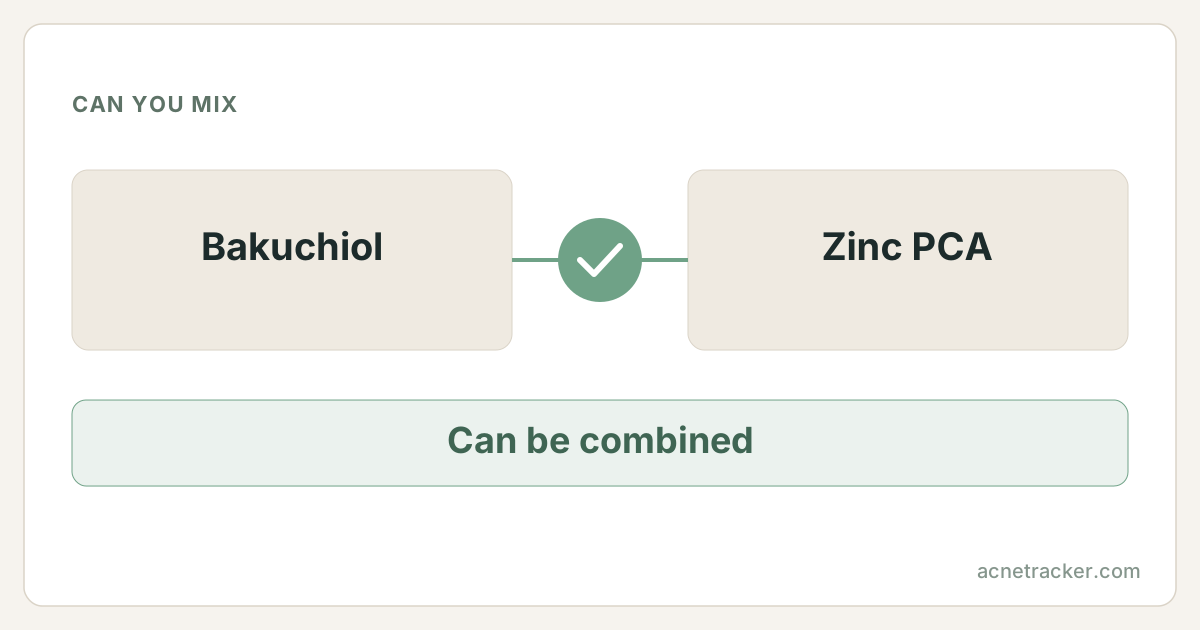
Can You Mix Bakuchiol and Zinc PCA?
Yes, and it is a well-matched pair for oily, blemish-prone skin. Zinc PCA helps regulate sebum, calms inflammation and has mild antibacterial action, while bakuchiol renews the skin and provides a gentle, retinol-like anti-blemish effect. Together they target excess oil and breakouts without the dryness a stronger acne routine usually causes.
How this pairing resolves
The two ingredients, their published numbers, and where they land together.
The numbers beside each ingredient are its published comedogenic rating and effective pH window, taken from its own profile page.
Show the numbers
| Ingredients | Metric | 0–5 |
|---|---|---|
| Bakuchiol | Comedogenic rating | 0/5 |
| Bakuchiol | Effective pH | no published pH |
| Zinc PCA | Comedogenic rating | 0/5 |
| Zinc PCA | Effective pH | no published pH |
Why
Zinc PCA combines zinc, a mineral with sebum-regulating and antimicrobial properties, with PCA (pyrrolidone carboxylic acid), a natural moisturising factor that also hydrates. In skincare it is valued for taming shine, calming inflamed spots and supporting a balanced barrier — useful for oily and acne-prone complexions that still need moisture. Bakuchiol contributes gentle renewal, antioxidant defence and its own anti-inflammatory, anti-acne reputation, all without irritating the skin. The two are chemically easy together: neither is a strong acid, both are stable across normal skincare pH, and there is no reactive interaction. Their overlap is helpful rather than redundant — zinc PCA works on the oil and bacterial side of acne while bakuchiol works on turnover and inflammation, so the pair addresses several drivers of breakouts at once. Because both are low-irritation, this is a sustainable daily routine for oily skin that reacts badly to harsher combinations like benzoyl peroxide plus a retinoid.
How to combine them
Both are typically light, water-based serums, so layer thin to thick. On clean skin apply zinc PCA first, let it absorb, then bakuchiol, and finish with a light moisturiser — oily skin often prefers a gel-cream here. The pair works morning or night; using zinc PCA in the morning to manage shine through the day and bakuchiol in the evening for renewal is a tidy split, but running both together is equally fine since neither is photosensitising. Keep daytime SPF, ideally a lightweight or mattifying formula so it does not undo the oil control. No adjustment period is required, but give breakouts several weeks to respond before judging the routine.
Example routine
| When | Steps |
|---|---|
| Morning | Cleanser → Zinc PCA → Bakuchiol serum → Light moisturiser → SPF 30+ |
| Evening | Cleanser → Zinc PCA → Bakuchiol serum → Light moisturiser |
| Oil-control split | Zinc PCA AM for shine, bakuchiol PM for renewal |
| Note | Choose a gel-cream moisturiser if skin is very oily |
Warning signs
Frequently asked questions
Is bakuchiol and zinc PCA good for oily, acne-prone skin?
Yes, it is a strong gentle option. Zinc PCA regulates sebum and calms inflammation while bakuchiol renews and fights blemishes, so the pair tackles oil and breakouts without the dryness of harsher acne routines.
Does zinc PCA help control oil alongside bakuchiol?
Yes. Zinc PCA has sebum-regulating and mild antibacterial action, so it manages shine and blemishes while bakuchiol handles renewal and inflammation. The two complement rather than duplicate each other.
What order should I apply zinc PCA and bakuchiol?
Zinc PCA first, since it is the lighter serum, then bakuchiol, then a light moisturiser. In the morning finish with sunscreen, ideally a mattifying one for oily skin.
Can I use bakuchiol and zinc PCA every day?
Yes. Both are gentle and non-photosensitising, so daily morning and evening use is fine. Give blemishes a few weeks to improve before changing anything.
Sources & further reading
There is no single study of this exact question. The guidance here is reasoned from the ingredient profiles below, each of which carries its own references:
Show every reference behind this page (6)
- PubChem — Bakuchiol compound summarycited by Bakuchiol
- Bakuchiol: a retinol-like functional compound (PubMed)cited by Bakuchiol
- DermNet — Cosmeceuticalscited by Bakuchiol
- PubChem — Zinc PCA (zinc pyrrolidone carboxylate)cited by Zinc PCA
- European Commission CosIng database — Zinc PCAcited by Zinc PCA
- Zinc l-pyrrolidone carboxylate inhibits the UVA-induced production of matrix metalloproteinase-1 by in vitro cultured skin fibroblasts, whereas it enhances their collagen synthesis (PubMed)cited by Zinc PCA
Medical disclaimer
Ingredients mentioned on this page
Find your personal acne triggers
Our free Acne Tracker lets you log breakouts, sleep, stress and diet, and shows you which factors correlate with your flare-ups.