Stress Acne on the Forehead
When deadlines, poor sleep or emotional strain pile up, many people notice a fresh crop of breakouts across the forehead. Stress does not create acne out of nothing, but it amplifies the processes behind it: the stress hormone cortisol nudges oil glands to produce more sebum and turns up inflammation, so existing tendencies tip into visible spots. The forehead, sitting in the oily T-zone and often touched or rubbed when we are tense, is a common landing spot. Stress acne is best handled by steadying both the skin, with a calm consistent routine, and the underlying stress, since the two feed each other.
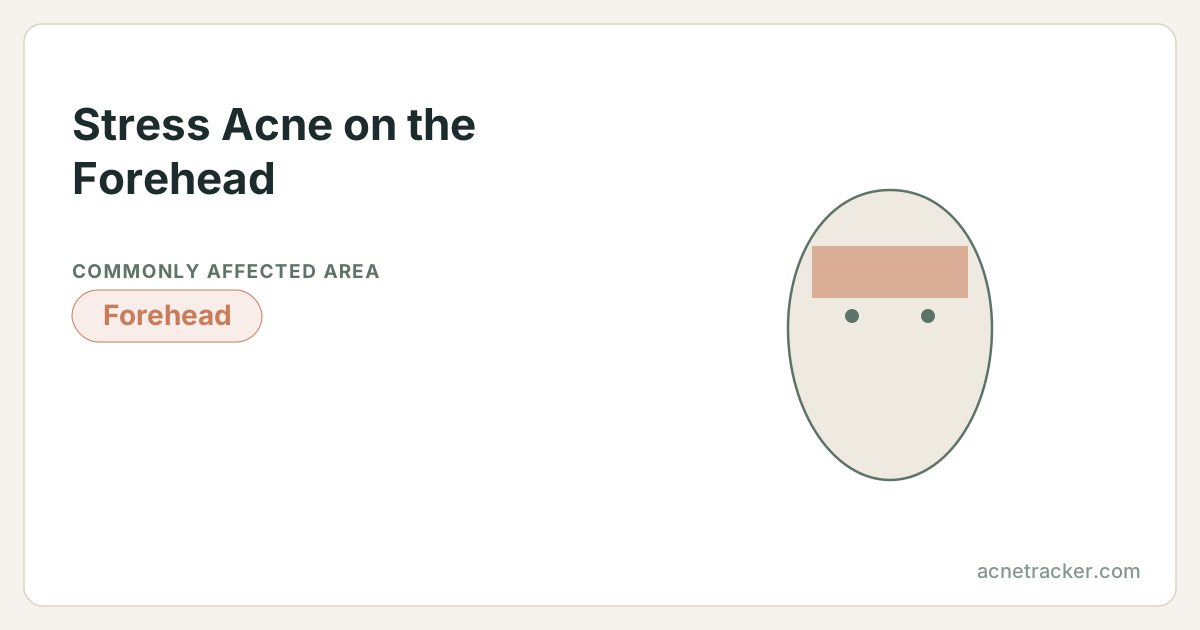
How to recognize it
Stress-related forehead acne tends to appear as a wave of small red papules and pustules alongside clogged pores, arriving fairly suddenly during or just after a demanding stretch. It often coincides with other stress signs — disrupted sleep, jaw tension, run-down skin. There is no single unique lesion type; the tell is the timing and the cluster appearing together rather than trickling in. Distinguish it from steady product-driven congestion, which does not track your stress levels, and from itchy uniform bumps that suggest fungal folliculitis. If breakouts are deep, painful and scarring, treat them as cystic acne regardless of the stress trigger.
What causes it
Cortisol and oil production
Stress raises cortisol, which stimulates oil glands to produce more sebum. Extra oil on the forehead means more clogged pores and a readier environment for breakouts.
Heightened inflammation
Stress shifts the immune system toward inflammation, so the redness and swelling of a spot are amplified and minor clogs are more likely to become visibly inflamed lesions.
Stress behaviours
Under pressure people touch, rub or pick at the forehead, sleep and eat poorly, and skip routines — all of which add oil, bacteria and irritation on top of the hormonal effect.
Disrupted sleep and recovery
Short, broken sleep during stressful periods impairs skin repair and keeps cortisol elevated, compounding the tendency to break out.
Ingredients with evidence
| Ingredient | Role |
|---|---|
| Salicylic acid (BHA) | Clears the clogged pores that stress-driven oil creates and calms mild inflammation; a steady few-nights-weekly habit works better than reactive spot use. |
| Niacinamide | Reduces oil and soothes redness while supporting a barrier that stress and poor sleep can leave compromised. |
| Benzoyl peroxide | Low-strength use targets the bacteria behind inflamed stress papules and pustules; apply thinly to affected areas. |
| Adapalene / retinoids | Keeps pores clear over the long term so stress flares have less raw material to work with. |
| Centella asiatica | A calming, barrier-supporting ingredient that helps soothe stressed, reactive skin between active treatments. |
Building the routine
The most useful thing during a stressful stretch is to keep your routine simple and not abandon it. Cleanse gently morning and night, use niacinamide daily, and keep salicylic acid going a couple of nights a week rather than scrubbing at new spots in frustration. Spot-treat inflamed papules with a thin layer of benzoyl peroxide, moisturize to protect a stressed barrier, and wear SPF each morning. Just as importantly, work on the stress itself: protect sleep, move your body, and keep hands off your forehead. Resist picking, which turns a short-lived stress spot into a mark that lingers long after the deadline has passed.
When to see a doctor
Frequently asked questions
Can stress really cause forehead acne?
Stress does not invent acne, but it amplifies it. Cortisol raises oil production and inflammation, so a stressful stretch can tip existing tendencies into a visible cluster of forehead breakouts, often alongside poor sleep and more forehead-touching.
How can I tell stress acne apart from other breakouts?
The main clue is timing: stress acne arrives as a wave during or after a demanding period, usually as red papules and pustules with some clogged pores. Congestion that stays constant regardless of stress is more likely product- or habit-driven.
Does stress acne go away on its own once stress passes?
Often it eases as cortisol settles and sleep recovers, but active spots still need care, and picking can leave lasting marks. Keeping a steady routine through the stressful period shortens the flare and reduces the aftermath.
What lifestyle changes help stress-related forehead acne?
Protecting sleep, regular movement, and stress-reduction habits all lower cortisol over time, which supports the skin. Combined with a consistent gentle routine and keeping hands off the forehead, these reduce how strongly stress translates into breakouts.
Sources & further reading
What this page cites about the condition itself:
There is no single study of this exact question. The guidance here is reasoned from the ingredient profiles below, each of which carries its own references:
- Salicylic Acid2 refs
- Niacinamide2 refs
- Benzoyl Peroxide3 refs
- Adapalene3 refs
- Centella Asiatica2 refs
Show every reference behind this page (9)
- Salicylic acid as a peeling agent: a comprehensive review (PubMed)cited by Salicylic Acid
- FDA OTC monograph — acne drug products (salicylic acid 0.5–2%)cited by Salicylic Acid, Benzoyl Peroxide, Adapalene
- Niacinamide: mechanisms of action and its topical use in dermatology (PubMed)cited by Niacinamide
- European Commission CosIng database — Niacinamidecited by Niacinamide, Centella Asiatica
- PubChem — Benzoyl peroxide compound summarycited by Benzoyl Peroxide
- DermNet — Benzoyl peroxidecited by Benzoyl Peroxide
- PubChem — Adapalene compound summarycited by Adapalene
- DermNet — Adapalenecited by Adapalene
- Bylka W et al. Centella asiatica in dermatology: an overview. Phytother Res 2014 Aug (PubMed)cited by Centella Asiatica
Medical disclaimer
Ingredients mentioned on this page
Find your personal acne triggers
Our free Acne Tracker lets you log breakouts, sleep, stress and diet, and shows you which factors correlate with your flare-ups.