Acne on the Temples
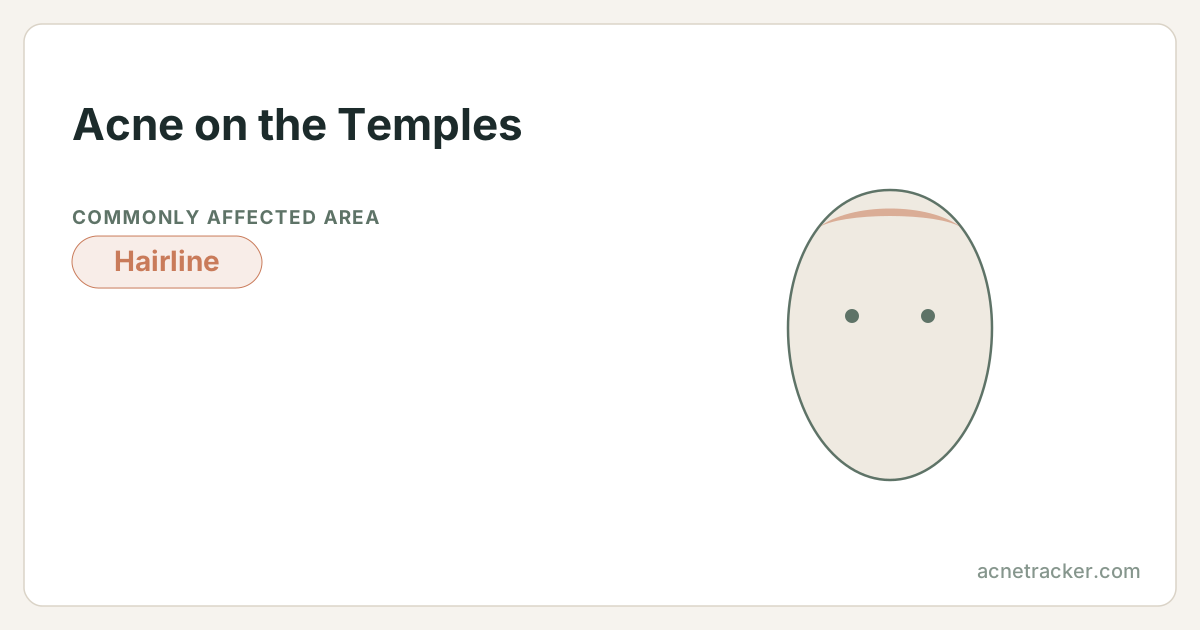
The temples sit at the side hairline, a spot squeezed between three separate triggers. Hair products rinsed in the shower run down over this area and are easy to miss when you rinse, leaving a film behind. The arms of glasses or sunglasses press and rub along exactly this line, trapping oil and sweat against the follicles. And the side margin carries its own oil glands and fine hair, so it clogs much like the front hairline does. Because the temples are partly hidden by hair, breakouts here are often noticed late, after closed comedones have already built into a small cluster and started to inflame.
How to recognize it
Temple acne usually shows as small, clustered closed comedones with the occasional inflamed papule tucked at the side hairline, sometimes in a line matching where glasses arms rest. The bumps feel bumpy rather than deeply sore and can hide under hair. A telltale sign of the glasses trigger is a breakout that follows the exact pressure line of the frame. If the spots are uniform, itchy pustules rather than mixed comedones, consider fungal folliculitis, which likes the warm side margin under hair. Deep, tender nodules point instead toward cystic acne.
What causes it
Hair-product runoff
Conditioner, styling product and shampoo residue run down over the temples in the shower and are easy to under-rinse, leaving an occlusive film on the side hairline.
Glasses and sunglasses arms
The arms press and rub along the temple line all day, trapping oil and sweat against the follicles and creating friction-driven congestion that follows the frame.
Side-hairline oil and fine hair
The temple carries its own oil glands and fine vellus hair that clog like the rest of the margin, especially when hidden under a fringe.
Hair resting on the face
Long or loose hair lying over the temples transfers oil and styling product and adds constant light friction to the follicles beneath.
Phone and hand contact
Holding a phone against the side of the face or resting the temple on a hand presses bacteria and oil into an area that is already prone to clogging.
Ingredients with evidence
| Ingredient | Role |
|---|---|
| Salicylic acid (BHA) | Dissolves the product-and-oil plug in the clustered comedones; a thin leave-on a few evenings a week suits the temple strip. |
| Niacinamide | Regulates oil and calms the friction from glasses arms without adding weight to the area. |
| Mandelic acid | A gentle alternative acid for smoothing the side margin when the skin is reactive to stronger exfoliants. |
| Adapalene / retinoids | Keeps new closed comedones from forming along the temple; apply thinly on non-acid evenings and give it 8–12 weeks. |
| Azelaic acid | Anti-inflammatory and useful for the marks that inflamed temple bumps can leave behind. |
Building the routine
Rinse deliberately: tip your head back in the shower so conditioner and product run away from the temples, and give the side hairline a final clean rinse. Wipe glasses arms regularly, since they carry oil and bacteria, and choose lighter frames if they press hard. Cleanse the temples morning and night, keep hair off the area where you can, and use salicylic acid a few evenings a week to clear the clustered comedones. A light niacinamide moisturiser and daily SPF round it out, and a retinoid such as adapalene a couple of nights weekly prevents new bumps. Do not pick at spots hidden under hair — you cannot see the damage you cause.
When to see a doctor
Frequently asked questions
Why do I get acne on my temples but nowhere else?
The temples collect three triggers at once — hair-product runoff, pressure from glasses arms and the side hairline's own oil and fine hair. When the rest of your face escapes these, breakouts concentrate on the temples even though your overall skin looks clear.
Can my glasses cause breakouts on my temples?
Yes. The arms press and rub along the temple line all day and carry oil and bacteria, so congestion often follows the exact pressure line of the frame. Wiping the arms regularly and choosing lighter frames reduces this friction-driven pattern.
Does hair product cause temple acne?
Often, yes. Conditioner and styling product run down over the temples in the shower and are easy to under-rinse, leaving an occlusive film on the side hairline. Rinsing with your head tipped back and cleansing the area afterwards clears most of it.
How do I stop breaking out along my side hairline?
Rinse product away from the temples, keep glasses arms and hair off the strip, cleanse morning and night, and use a salicylic acid product a few evenings a week. Add a retinoid if closed comedones keep returning, and give changes two to three months.
Sources & further reading
What this page cites about the condition itself:
There is no single study of this exact question. The guidance here is reasoned from the ingredient profiles below, each of which carries its own references:
- Salicylic Acid2 refs
- Niacinamide2 refs
- Mandelic Acid2 refs
- Adapalene3 refs
- Azelaic Acid3 refs
Show every reference behind this page (10)
- Salicylic acid as a peeling agent: a comprehensive review (PubMed)cited by Salicylic Acid
- FDA OTC monograph — acne drug products (salicylic acid 0.5–2%)cited by Salicylic Acid, Adapalene
- Niacinamide: mechanisms of action and its topical use in dermatology (PubMed)cited by Niacinamide
- European Commission CosIng database — Niacinamidecited by Niacinamide, Azelaic Acid
- Mandelic acid — PubChem compound summarycited by Mandelic Acid
- DermNet — Alpha hydroxy acidscited by Mandelic Acid
- PubChem — Adapalene compound summarycited by Adapalene
- DermNet — Adapalenecited by Adapalene
- PubChem — Azelaic acid compound summarycited by Azelaic Acid
- DermNet — Azelaic acidcited by Azelaic Acid
Medical disclaimer
Ingredients mentioned on this page
Find your personal acne triggers
Our free Acne Tracker lets you log breakouts, sleep, stress and diet, and shows you which factors correlate with your flare-ups.