Rose Extract: Comedogenic Rating & Ingredient Analysis
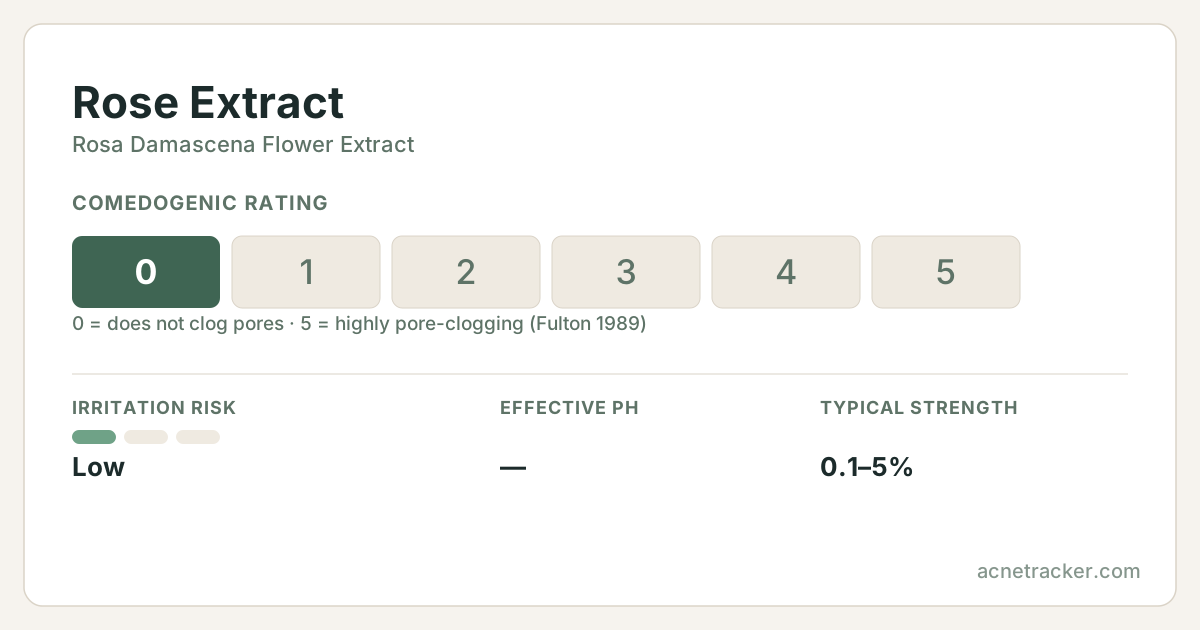
Rose extract is romance in a bottle — a luxurious-feeling botanical drawn from the petals of the damask rose, prized in skincare as much for its elegant scent as for what it does. It appears in toners, essences, face mists and rich creams marketed for dry, dull or mature skin, and it carries a long tradition of use in perfumery and cosmetics stretching back centuries. In modern formulas rose acts as an antioxidant and conditioning ingredient that leaves skin feeling comforted and looking refreshed. It is worth remembering that rose is a naturally fragrant plant, so while it is generally gentle, fragrance-sensitive skin deserves a little extra care.
Quick facts
- Comedogenic rating
- our estimate — not measured
- Irritation risk
- Low
- Effective pH
- —
- Typical strength
- 0.1–5%
- Pregnancy
- Ask your doctor
- Suits skin types
- drynormalcombinationmaturesensitive
Where this number comes from
No one has published a comedogenic rating for this ingredient. Fulton's 1989 table tested about 250 raw materials and this was not among them, and we found no later study measuring it. The figure shown is our own reasoning from the ingredient's chemistry and how it is used — treat it as an estimate, not a measurement.
Fulton read his own scale as 0-1 not significant, 2-3 borderline, 4-5 positive. The assay is the rabbit ear at 10% dilution, which the paper itself calls extremely sensitive and not fully predictive of human skin. Ratings describe the raw ingredient; concentration and formulation change real-world behaviour.
Caution profile
The four published fields on this page, on one 0–5 scale. Further from the centre means more care is needed — never that the ingredient is worse.
Derived, not measured: pore-clogging is the published comedogenic rating; irritation maps low/moderate/high to 1/3/5; pregnancy maps safe/caution/avoid to 0/3/5; skin-type limits is how many of the seven skin types this entry does NOT list. Every input is printed in words in the quick-facts card above.
Show the numbers
| Metric | 0–5 | Published field |
|---|---|---|
| Pore-clogging | 0 | 0/5 |
| Irritation | 1 | Low |
| Skin-type limits | 1.4 | 5/7 |
| Pregnancy | 3 | Ask your doctor |
Working pH and typical strength
Where this ingredient is formulated to sit, and at what concentration.
Both bars come from the fields above: the pH window and the typical strength range published for this ingredient. The tinted column is healthy skin's surface pH (about 4.7–5.75).
Show the numbers
| Metric | 0–5 |
|---|---|
| Typical strength | 0.1–5% |
What is it?
Damask rose (Rosa damascena) petals contain flavonoids, tannins and antioxidant polyphenols, along with the aromatic compounds that give roses their famous scent. The flower extract, made by steeping petals, delivers these antioxidants together with a light conditioning and soothing effect on the skin surface, which is why it appears in products aimed at comfort and radiance. Rose water and rose extract have mild toning and refreshing qualities valued in traditional beauty routines. The clinical evidence for dramatic skin benefits is modest, so rose is best framed as a pleasant, antioxidant-rich conditioning botanical. Its comedogenic rating is 0 and irritation risk is low for most people, though its natural fragrance can bother sensitive skin.
Benefits
Antioxidant polyphenols
Rose petals are rich in flavonoids and polyphenols that help defend the skin against everyday oxidative stress, complementing brightening antioxidants like vitamin-c.
Soothes and refreshes
Rose extract and rose water have a gently toning, refreshing character that makes skin feel calm and comfortable, popular in mists and hydrating toners.
Conditions dry, dull skin
Its light conditioning action softens the look of dry, tired skin, which is why rose features in rich creams and essences for mature complexions.
Elegant sensory experience
The natural rose scent adds a luxurious feel to a routine, pairing with hydrators like hyaluronic-acid in products designed to feel indulgent.
How to use
Rose extract slots easily into a routine as a toner, mist, essence or moisturiser applied after cleansing, morning or night. It layers well with hydrating and brightening actives such as hyaluronic-acid, niacinamide and vitamin-c. Because it is a naturally fragrant botanical, fragrance-sensitive users should patch test on the inner arm for a few days and avoid stacking many scented products. A rose mist is a pleasant midday refresher over or under makeup. Store rose products away from heat and light to keep the antioxidants and scent fresh.
Side effects
Rose extract is well tolerated by most people, but its natural fragrance components mean it can occasionally cause irritation or allergy in fragrance-sensitive skin. Symptoms would include redness, itching or stinging. Concentrated rose absolute or essential oil is more likely to sensitise than a dilute flower extract or rose water. If a rose product irritates you, the fragrance fraction is the usual suspect, and a fragrance-free option would be a safer swap.
Who should avoid it
People with fragrance allergies or highly reactive, eczema-prone skin should approach rose cautiously and patch test, or choose fragrance-free products. Because concentrated rose essential oil is sometimes cautioned against in pregnancy and rose carries natural fragrance components, we mark it as caution during pregnancy — check with your doctor, though a dilute rose water in a cosmetic is low-risk. Everyone else can generally enjoy rose extract freely.
Pairs well with
Frequently asked questions
Does rose extract clog pores?
No. Rose flower extract has a comedogenic rating of 0 and will not clog pores. Any concern with rose relates to its natural fragrance, not pore-clogging.
What is the difference between rose extract and rose water?
Rose water is the aromatic water left after distilling rose petals, while rose extract is a more concentrated preparation of petal compounds. Both deliver rose's soothing, antioxidant and fragrant character, with extract being stronger.
Is rose extract good for dry skin?
Yes. Its light conditioning and soothing action, plus antioxidant polyphenols, make it a comfortable choice for dry, dull and mature skin, especially in richer creams and essences.
Can rose extract irritate sensitive skin?
It can, because rose is naturally fragrant. Most people tolerate a dilute rose extract, but fragrance-sensitive or eczema-prone users should patch test or opt for a fragrance-free product.
Sources & further reading
Medical disclaimer
Find your personal acne triggers
Our free Acne Tracker lets you log breakouts, sleep, stress and diet, and shows you which factors correlate with your flare-ups.