Propolis Extract: Comedogenic Rating & Ingredient Analysis
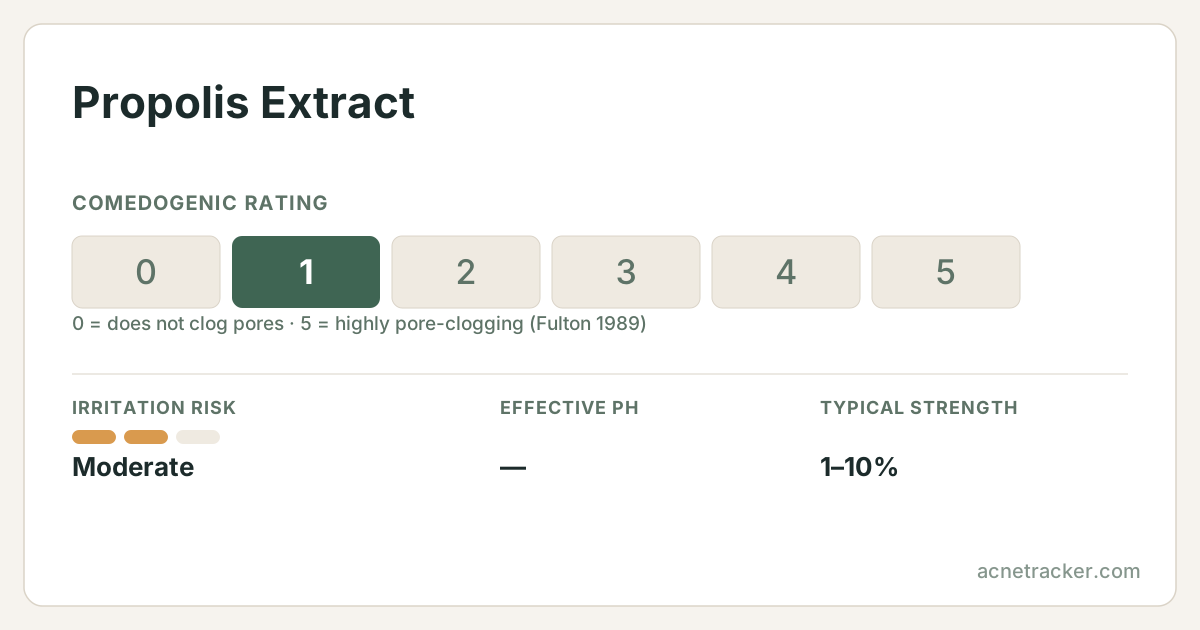
Propolis extract is a resin collected by honeybees, and a popular ingredient in glow-giving essences and ampoules, especially within Korean skincare. Bees make it to seal and protect their hives, and it carries a rich mix of antioxidant and antibacterial compounds that translate into soothing, protective skincare benefits. It is a favorite for dull, blemish-prone and dehydrated skin that wants comfort and radiance in one step. Because it is a natural bee product, the main consideration is allergy: anyone sensitive to bee products should be cautious. It has a low comedogenic rating but a slightly higher irritation profile than a purified single ingredient.
Quick facts
- Comedogenic rating
- our estimate — not measured
- Irritation risk
- Moderate
- Effective pH
- —
- Typical strength
- 1–10%
- Pregnancy
- Ask your doctor
- Suits skin types
- drycombinationnormalacne-prone
Where this number comes from
No one has published a comedogenic rating for this ingredient. Fulton's 1989 table tested about 250 raw materials and this was not among them, and we found no later study measuring it. The figure shown is our own reasoning from the ingredient's chemistry and how it is used — treat it as an estimate, not a measurement.
Fulton read his own scale as 0-1 not significant, 2-3 borderline, 4-5 positive. The assay is the rabbit ear at 10% dilution, which the paper itself calls extremely sensitive and not fully predictive of human skin. Ratings describe the raw ingredient; concentration and formulation change real-world behaviour.
Caution profile
The four published fields on this page, on one 0–5 scale. Further from the centre means more care is needed — never that the ingredient is worse.
Derived, not measured: pore-clogging is the published comedogenic rating; irritation maps low/moderate/high to 1/3/5; pregnancy maps safe/caution/avoid to 0/3/5; skin-type limits is how many of the seven skin types this entry does NOT list. Every input is printed in words in the quick-facts card above.
Show the numbers
| Metric | 0–5 | Published field |
|---|---|---|
| Pore-clogging | 1 | 1/5 |
| Irritation | 3 | Moderate |
| Skin-type limits | 2.1 | 4/7 |
| Pregnancy | 3 | Ask your doctor |
Working pH and typical strength
Where this ingredient is formulated to sit, and at what concentration.
Both bars come from the fields above: the pH window and the typical strength range published for this ingredient. The tinted column is healthy skin's surface pH (about 4.7–5.75).
Show the numbers
| Metric | 0–5 |
|---|---|
| Typical strength | 1–10% |
What is it?
Propolis is often called bee glue: bees blend plant resins, waxes and their own secretions into a sticky material used to reinforce the hive and defend it from microbes. That biological role explains its skincare reputation, since propolis is rich in flavonoids and polyphenols with documented antioxidant and antibacterial activity. In cosmetics it is supplied as an extract, usually standardized to a degree, and used for a soothing, protective and lightly antibacterial effect. Its exact composition varies by the plants the bees visited and the region, so potency differs between sources. It is valued as much for the healthy-looking glow it lends as for its functional benefits.
Benefits
Antibacterial support for blemishes
Propolis carries naturally antibacterial compounds that give it a supportive role in routines for blemish-prone and congestion-prone skin.
Antioxidant-rich protection
Its high flavonoid and polyphenol content provides antioxidant defense, helping protect the skin surface from oxidative stress and dullness.
Soothes and comforts
Propolis has a calming, protective character that helps settle irritated skin, which is why it features in gentle, comforting essences.
Adds a healthy glow
It is prized for leaving skin looking dewy and radiant, making it a popular pick for dull, tired-looking complexions.
How to use
Propolis is most common in essences, ampoules, serums and masks, typically applied after cleansing and toning. Press a few drops or a light layer into the skin, then follow with your other treatments and a moisturizer. It suits morning and night use and layers well with hydrators and niacinamide. Because it can be slightly sticky, a little goes a long way. If you have never used a bee-derived product, patch test for several nights first, since propolis is one of the more allergenic natural ingredients despite being well loved.
Side effects
The most important issue with propolis is contact allergy: it is a recognized sensitizer and one of the more common natural allergens in cosmetics. People with bee, honey or pollen sensitivities are at higher risk of reacting, which can show as redness, itching or a rash. For most others it is well tolerated. Because it is a whole natural product, its composition varies, so a formula that suits one person may not suit another. Patch testing is strongly recommended.
Who should avoid it
Anyone with a known allergy to bee products, propolis, honey or pollen should avoid it, as allergic contact reactions are well documented. People with very reactive skin should patch test carefully before regular use. As a general precaution some prefer to avoid bee-derived actives during pregnancy; confirm with your doctor if unsure.
Frequently asked questions
What is propolis good for in skincare?
It is used for its antioxidant, antibacterial and soothing properties, and for the dewy glow it gives. It is popular in essences for dull, blemish-prone and dehydrated skin.
Can propolis cause allergic reactions?
Yes. Propolis is a known contact allergen, and people with bee, honey or pollen allergies are more likely to react. Always patch test a propolis product before applying it all over.
Does propolis help with acne?
Its natural antibacterial and soothing properties give it a supportive role in blemish-prone routines, though it is a helper rather than a dedicated acne treatment.
Does propolis clog pores?
It has a low comedogenic rating (1) and suits many acne-prone users, though the overall formula and any waxes matter. Patch test if your skin clogs easily.
Is propolis safe during pregnancy?
Topical use is generally considered low risk, but because it is a potential allergen and a bee product, some prefer caution. Bring both questions to your doctor — the allergy one matters here regardless of pregnancy, since propolis is a documented contact allergen.
Sources & further reading
Medical disclaimer
Find your personal acne triggers
Our free Acne Tracker lets you log breakouts, sleep, stress and diet, and shows you which factors correlate with your flare-ups.