3-O-Ethyl Ascorbic Acid: Comedogenic Rating & Ingredient Analysis
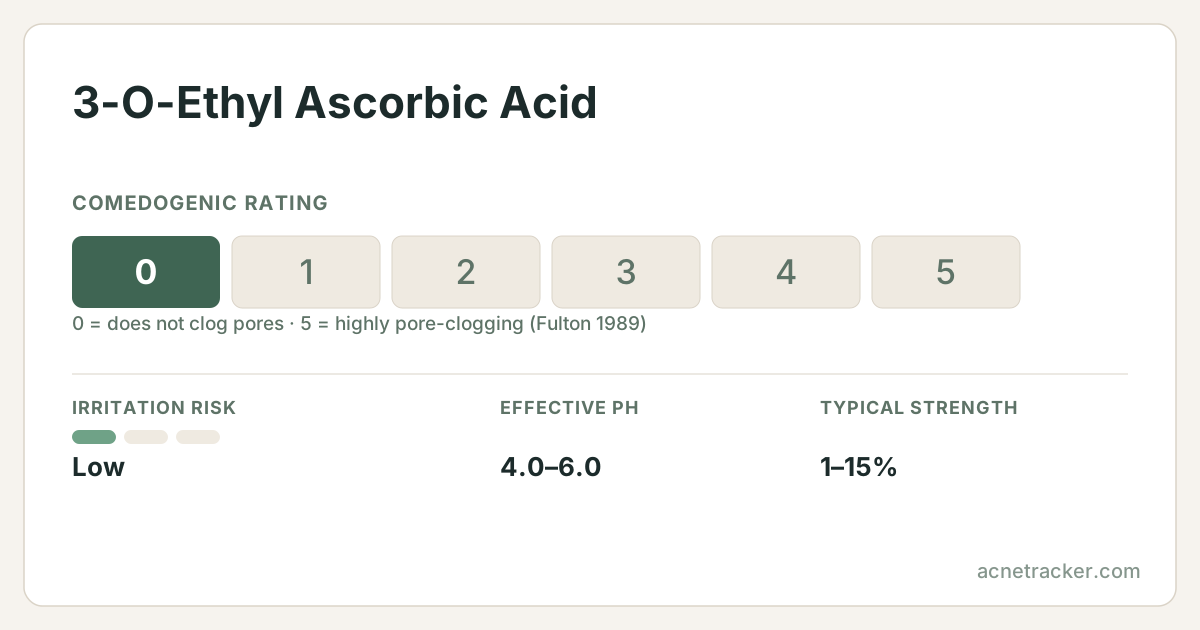
3-O-ethyl ascorbic acid, usually written as ethyl ascorbic acid or EAC, is one of the most popular next-generation vitamin C derivatives, and for good reason. It attaches a small ethyl group to the vitamin C molecule, which greatly improves stability while keeping the derivative close to the structure of pure ascorbic acid. That means it converts efficiently into active vitamin C in the skin and is one of the better-performing derivatives for brightening, yet it is more stable and often less irritating than L-ascorbic acid. It shows up across all price points, from budget serums to prestige brightening treatments.
Quick facts
- Comedogenic rating
- our estimate — not measured
- Irritation risk
- Low
- Effective pH
- 4.0–6.0
- Typical strength
- 1–15%
- Pregnancy
- Considered safe
- Suits skin types
- oilycombinationnormalacne-pronemature
Where this number comes from
No one has published a comedogenic rating for this ingredient. Fulton's 1989 table tested about 250 raw materials and this was not among them, and we found no later study measuring it. The figure shown is our own reasoning from the ingredient's chemistry and how it is used — treat it as an estimate, not a measurement.
Fulton read his own scale as 0-1 not significant, 2-3 borderline, 4-5 positive. The assay is the rabbit ear at 10% dilution, which the paper itself calls extremely sensitive and not fully predictive of human skin. Ratings describe the raw ingredient; concentration and formulation change real-world behaviour.
Caution profile
The four published fields on this page, on one 0–5 scale. Further from the centre means more care is needed — never that the ingredient is worse.
Derived, not measured: pore-clogging is the published comedogenic rating; irritation maps low/moderate/high to 1/3/5; pregnancy maps safe/caution/avoid to 0/3/5; skin-type limits is how many of the seven skin types this entry does NOT list. Every input is printed in words in the quick-facts card above.
Show the numbers
| Metric | 0–5 | Published field |
|---|---|---|
| Pore-clogging | 0 | 0/5 |
| Irritation | 1 | Low |
| Skin-type limits | 1.4 | 5/7 |
| Pregnancy | 0 | Considered safe |
Working pH and typical strength
Where this ingredient is formulated to sit, and at what concentration.
Both bars come from the fields above: the pH window and the typical strength range published for this ingredient. The tinted column is healthy skin's surface pH (about 4.7–5.75).
Show the numbers
| Metric | 0–5 |
|---|---|
| Working pH | 4.0–6.0 |
| Typical strength | 1–15% |
What is it?
Chemically, EAC is L-ascorbic acid with an ethyl group bonded at the third carbon position, the site most vulnerable to oxidation. Capping that spot dramatically slows browning and degradation, so a well-made EAC serum stays clear and effective far longer than a pure vitamin C one. Because the modification is small, the skin readily converts it back to active ascorbic acid, giving it a reputation as one of the more potent stable derivatives. It performs across a moderate pH range and is genuinely versatile: brands use it anywhere from gentle 1–5% concentrations up to punchy 10–15% brightening serums for people chasing a more visible glow.
Benefits
Stable yet effective
The ethyl group protects vitamin C from oxidising while staying close to its active form, so EAC combines good shelf stability with efficient conversion in the skin.
Strong brightening record
EAC is one of the better-studied derivatives for evening skin tone, helping fade dark spots, dullness and post-acne marks by curbing excess melanin production over weeks of use.
Lower irritation than pure vitamin C
It generally stings less than L-ascorbic acid at comparable strength, making vitamin C's brightening benefits accessible to more skin types, including combination and oily skin.
Antioxidant protection
Once converted, the vitamin C neutralises free radicals from UV and pollution and supports collagen production, complementing daily sunscreen for healthier-looking skin.
How to use
Use EAC once daily, most often in the morning under sunscreen, to combine antioxidant protection with brightening. Beginners can start with 1–5% and work up to 10% or higher if the skin tolerates it well. Apply to clean skin before moisturiser, and pair it with niacinamide, vitamin E or ferulic acid for a broader effect. Although it is more stable than pure vitamin C, still store it away from strong light and replace it if it darkens noticeably. Higher concentrations can occasionally tingle, so introduce potent 10–15% serums gradually rather than all at once.
Side effects
EAC is well tolerated by most people, but at higher concentrations it can cause mild tingling, warmth or slight redness, especially on sensitive skin, because it retains some of vitamin C's acidity. These sensations usually settle as the skin adjusts. Genuine allergic reactions are uncommon. Starting at a lower percentage and patch testing new products for several days is the simplest way to avoid unpleasant surprises.
Who should avoid it
Most skin types can use EAC, but very sensitive or reactive skin may prefer a gentler derivative like ascorbyl glucoside or a phosphate salt, particularly at high strengths. Anyone with a known vitamin C derivative allergy should avoid it. It is considered pregnancy-safe. If your barrier is currently irritated, calm it before adding a potent brightening serum.
Pairs well with
Frequently asked questions
Is ethyl ascorbic acid a good vitamin C?
Yes. It is one of the more effective stable derivatives, converting efficiently to active vitamin C in the skin, which makes it a strong choice for brightening with less instability than pure vitamin C.
What percentage of EAC should I use?
Beginners do well starting at 1–5%. Those wanting more visible brightening can move up toward 10–15% if their skin tolerates it, introducing the higher strength gradually.
Can I use EAC with niacinamide?
Yes. The old warning against mixing vitamin C and niacinamide is outdated; modern formulas combine them safely, and together they support brightening and an even tone.
Does EAC help with dark spots?
It is one of the better derivatives for fading dark spots and uneven tone, working gradually over several weeks by reducing melanin. Daily sunscreen is essential to see and keep results.
Is 3-O-ethyl ascorbic acid safe in pregnancy?
Topical vitamin C derivatives like EAC are generally considered safe during pregnancy and breastfeeding. Confirm with your healthcare provider for your situation.
Sources & further reading
Medical disclaimer
Find your personal acne triggers
Our free Acne Tracker lets you log breakouts, sleep, stress and diet, and shows you which factors correlate with your flare-ups.