Ascorbyl Glucoside: Comedogenic Rating & Ingredient Analysis
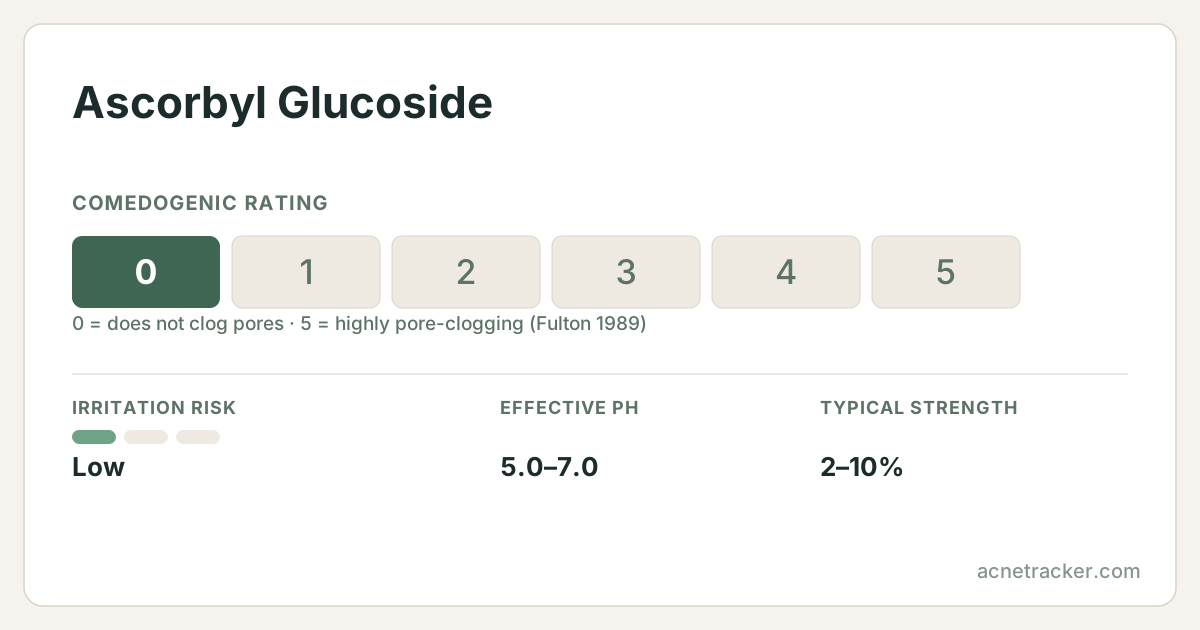
Ascorbyl glucoside is a vitamin C derivative built for stability. Where pure vitamin C fights a constant battle against oxygen and light, ascorbyl glucoside links the vitamin C molecule to a glucose sugar, which effectively caps the reactive site and keeps the ingredient intact in the bottle for far longer. On the skin, an enzyme called alpha-glucosidase snips the sugar off and releases active vitamin C gradually. This slow, steady delivery makes ascorbyl glucoside a gentle, low-drama choice for people who want the brightening and antioxidant benefits of vitamin C but find L-ascorbic acid too irritating or too unstable to bother with.
Quick facts
- Comedogenic rating
- our estimate — not measured
- Irritation risk
- Low
- Effective pH
- 5.0–7.0
- Typical strength
- 2–10%
- Pregnancy
- Considered safe
- Suits skin types
- sensitivedrynormalcombinationacne-prone
Where this number comes from
No one has published a comedogenic rating for this ingredient. Fulton's 1989 table tested about 250 raw materials and this was not among them, and we found no later study measuring it. The figure shown is our own reasoning from the ingredient's chemistry and how it is used — treat it as an estimate, not a measurement.
Fulton read his own scale as 0-1 not significant, 2-3 borderline, 4-5 positive. The assay is the rabbit ear at 10% dilution, which the paper itself calls extremely sensitive and not fully predictive of human skin. Ratings describe the raw ingredient; concentration and formulation change real-world behaviour.
Caution profile
The four published fields on this page, on one 0–5 scale. Further from the centre means more care is needed — never that the ingredient is worse.
Derived, not measured: pore-clogging is the published comedogenic rating; irritation maps low/moderate/high to 1/3/5; pregnancy maps safe/caution/avoid to 0/3/5; skin-type limits is how many of the seven skin types this entry does NOT list. Every input is printed in words in the quick-facts card above.
Show the numbers
| Metric | 0–5 | Published field |
|---|---|---|
| Pore-clogging | 0 | 0/5 |
| Irritation | 1 | Low |
| Skin-type limits | 1.4 | 5/7 |
| Pregnancy | 0 | Considered safe |
Working pH and typical strength
Where this ingredient is formulated to sit, and at what concentration.
Both bars come from the fields above: the pH window and the typical strength range published for this ingredient. The tinted column is healthy skin's surface pH (about 4.7–5.75).
Show the numbers
| Metric | 0–5 |
|---|---|
| Working pH | 5.0–7.0 |
| Typical strength | 2–10% |
What is it?
Ascorbyl glucoside, sometimes abbreviated AA2G, is L-ascorbic acid bonded to a molecule of glucose. That bond is what gives it its standout stability, allowing it to work across a wide pH range without browning. Because the skin has to enzymatically convert it before the vitamin C becomes active, the effective dose is lower than the label percentage might suggest, and results build slowly rather than dramatically. It is widely used in Asian and European serums aimed at radiance and even tone. Think of it as a marathon-runner form of vitamin C: not the most potent in a single dose, but reliable, consistent and easy to keep on your shelf without it spoiling.
Benefits
Exceptional stability
The glucose bond keeps ascorbyl glucoside from oxidising, so serums stay effective and clear far longer than L-ascorbic acid, which can degrade within weeks of opening.
Brightens gently over time
As the skin releases active vitamin C, ascorbyl glucoside curbs excess melanin production, gradually evening out dullness, uneven tone and lingering post-acne marks.
Low irritation
It works at gentle pH and releases vitamin C slowly, so it rarely stings, making it well suited to sensitive skin and to beginners easing into vitamin C.
Antioxidant and collagen support
Once converted, the vitamin C scavenges free radicals and acts as a cofactor for collagen synthesis, supporting firmer, more resilient skin with long-term use.
How to use
Use ascorbyl glucoside once or twice daily; morning application under sunscreen makes the most of its antioxidant role, but it is stable enough for evening use too. Apply a 2–10% serum to clean skin before moisturiser. Because it is gentle and non-acidic, it layers easily with niacinamide, hyaluronic acid and peptides, and there is no need to build up tolerance slowly. Patience is key: because the skin releases the active vitamin C gradually, visible brightening usually takes several weeks of consistent use. Keep the bottle away from prolonged heat and light to preserve its long shelf life.
Side effects
Ascorbyl glucoside is among the gentlest vitamin C options and rarely causes problems. Occasional mild redness or tingling can occur at higher concentrations or on very reactive skin, but stinging is uncommon because the ingredient is not strongly acidic. As with any active, patch testing a new formula for a few days is a sensible way to confirm your skin agrees with it.
Who should avoid it
Very few people need to avoid ascorbyl glucoside. Anyone with a known vitamin C derivative allergy should skip it, and those seeking rapid, dramatic vitamin C results may find it too slow and prefer a stronger form. For sensitive, dry and acne-prone skin, its gentleness is a genuine advantage, and it is considered safe to use during pregnancy.
Pairs well with
Frequently asked questions
Is ascorbyl glucoside effective?
Yes, but gently and gradually. The skin converts it to active vitamin C over time, so it brightens and protects reliably with consistent use rather than delivering fast, high-strength results.
How is it different from L-ascorbic acid?
It is far more stable and much less irritating, but milder. L-ascorbic acid is stronger and faster but unstable and prone to stinging, while ascorbyl glucoside is the low-maintenance, sensitive-skin option.
Can ascorbyl glucoside and niacinamide go in the same routine?
Yes. Both are stable, gentle actives that layer comfortably and offer complementary brightening benefits, with little risk of irritation when used together.
How long does ascorbyl glucoside take to brighten skin?
Because it releases vitamin C slowly, expect several weeks of daily use before brightening becomes noticeable. Daily sunscreen is essential to lock in and protect the progress.
Is ascorbyl glucoside pregnancy-safe?
Topical vitamin C derivatives like ascorbyl glucoside are generally considered safe during pregnancy and breastfeeding. Confirm with your doctor if you are unsure.
Sources & further reading
Medical disclaimer
Find your personal acne triggers
Our free Acne Tracker lets you log breakouts, sleep, stress and diet, and shows you which factors correlate with your flare-ups.