Magnesium Ascorbyl Phosphate: Comedogenic Rating & Ingredient Analysis
Magnesium ascorbyl phosphate, or MAP, is one of the oldest and most researched stable vitamin C derivatives in cosmetics. Like its close cousin sodium ascorbyl phosphate, it is a phosphate ester that protects the vitamin C molecule from oxidising, but the magnesium salt gives it a slightly different character: it is often praised as the most hydrating and skin-softening of the vitamin C derivatives, which makes it a favourite for dry, mature and sensitive complexions. It sits at a comfortable near-neutral pH, so it delivers brightening and antioxidant benefits without the tingle and instability of pure L-ascorbic acid.
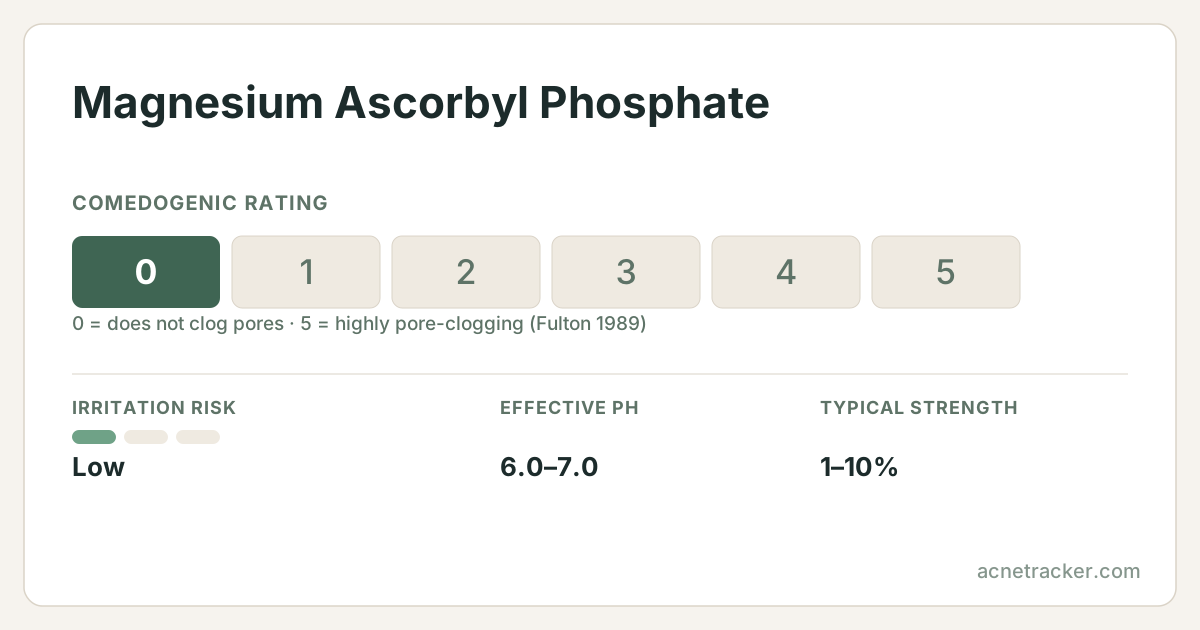
Quick facts
- Comedogenic rating
- our estimate — not measured
- Irritation risk
- Low
- Effective pH
- 6.0–7.0
- Typical strength
- 1–10%
- Pregnancy
- Considered safe
- Suits skin types
- drysensitivenormalcombinationmature
Where this number comes from
No one has published a comedogenic rating for this ingredient. Fulton's 1989 table tested about 250 raw materials and this was not among them, and we found no later study measuring it. The figure shown is our own reasoning from the ingredient's chemistry and how it is used — treat it as an estimate, not a measurement.
Fulton read his own scale as 0-1 not significant, 2-3 borderline, 4-5 positive. The assay is the rabbit ear at 10% dilution, which the paper itself calls extremely sensitive and not fully predictive of human skin. Ratings describe the raw ingredient; concentration and formulation change real-world behaviour.
Caution profile
The four published fields on this page, on one 0–5 scale. Further from the centre means more care is needed — never that the ingredient is worse.
Derived, not measured: pore-clogging is the published comedogenic rating; irritation maps low/moderate/high to 1/3/5; pregnancy maps safe/caution/avoid to 0/3/5; skin-type limits is how many of the seven skin types this entry does NOT list. Every input is printed in words in the quick-facts card above.
Show the numbers
| Metric | 0–5 | Published field |
|---|---|---|
| Pore-clogging | 0 | 0/5 |
| Irritation | 1 | Low |
| Skin-type limits | 1.4 | 5/7 |
| Pregnancy | 0 | Considered safe |
Working pH and typical strength
Where this ingredient is formulated to sit, and at what concentration.
Both bars come from the fields above: the pH window and the typical strength range published for this ingredient. The tinted column is healthy skin's surface pH (about 4.7–5.75).
Show the numbers
| Metric | 0–5 |
|---|---|
| Working pH | 6.0–7.0 |
| Typical strength | 1–10% |
What is it?
MAP is the magnesium salt of ascorbic acid 2-phosphate. The phosphate group shields the reactive site of vitamin C, and once the ingredient penetrates the skin, phosphatase enzymes cleave it to release free ascorbic acid. Research on MAP goes back decades, and it is one of the few derivatives with published evidence for a skin-lightening effect on melasma-type pigmentation, as well as data suggesting it can help skin hold water. Because it is stable and non-acidic, it is easy to formulate and easy on the skin, though — as with all vitamin C esters — the amount of active vitamin C the skin ultimately receives is lower than from an equal percentage of L-ascorbic acid.
Benefits
Gentle, stable vitamin C
MAP resists oxidation and works at near-neutral pH, so dry and sensitive skin can enjoy vitamin C's antioxidant and brightening benefits without the sting of acidic serums.
Fades pigmentation
MAP has published evidence for lightening melasma-style pigmentation, working by dampening the enzyme steps that produce excess melanin and softening post-acne marks over time.
Supports hydration
Studies suggest MAP can help reduce water loss and improve the skin's moisture content, which is one reason it is often chosen over other vitamin C derivatives for drier skin.
Boosts antioxidant defence
As a vitamin C source, MAP scavenges free radicals generated by UV and pollution, complementing sunscreen and supporting the collagen-building role of vitamin C.
How to use
Apply a MAP serum or cream once daily, typically in the morning, to clean skin before your moisturiser and sunscreen. Concentrations from 1% up to about 10% are common; higher is not automatically better, and 3–5% is a sensible target for most people. It layers well with niacinamide, peptides and hydrators, and it does not need a slow introduction. Keep the product out of strong light and heat, and replace it if it darkens significantly. MAP is a good long-term choice for anyone who finds L-ascorbic acid too harsh but still wants steady antioxidant and brightening support.
Side effects
MAP is very well tolerated and rarely causes irritation because it avoids the low pH that makes vitamin C sting. A small number of people notice mild congestion or a slightly heavy feel from richer MAP creams, and true allergy to the ingredient is uncommon. As always, patch testing a new product for a few days helps identify any personal sensitivity before you apply it to the whole face.
Who should avoid it
Almost everyone can use MAP, including sensitive and dry skin types. Those with a specific allergy to vitamin C derivatives should avoid it, and anyone using it in a very rich formula who tends to congest easily should choose a lighter texture. It is regarded as pregnancy-safe, but confirm with your doctor if you have concerns.
Pairs well with
Frequently asked questions
What is the difference between MAP and SAP?
Both are stable phosphate esters of vitamin C. MAP (magnesium salt) is often considered more hydrating and better for dry skin, while SAP (sodium salt) has more evidence for acne-prone skin.
Is MAP strong enough to matter?
It is milder than L-ascorbic acid because the skin only partly converts it, but it has real published benefits for pigmentation and hydration, especially with consistent daily use over weeks.
Can I layer MAP with niacinamide?
Yes. Both are stable at near-neutral pH and combine comfortably, giving complementary brightening and barrier-supporting effects with a very low chance of irritation.
Will MAP help with dark spots?
MAP can gradually fade pigmentation and post-acne marks by reducing melanin production, but results take several weeks and require daily sunscreen to prevent new spots forming.
Is magnesium ascorbyl phosphate safe in pregnancy?
Topical vitamin C derivatives such as MAP are generally regarded as safe during pregnancy and breastfeeding. Check with your healthcare provider for personalised advice.
Sources & further reading
- PubChem — Magnesium Ascorbyl Phosphate (CID 71587428)
- European Commission CosIng database — Magnesium Ascorbyl Phosphate
- Final report of the safety assessment of L-Ascorbic Acid, Calcium Ascorbate, Magnesium Ascorbate, Magnesium Ascorbyl Phosphate, Sodium Ascorbate, and Sodium Ascorbyl Phosphate as used in cosmetics (PubMed)
Medical disclaimer
Find your personal acne triggers
Our free Acne Tracker lets you log breakouts, sleep, stress and diet, and shows you which factors correlate with your flare-ups.